Surfboard Fins: The Ultimate Guide to Choosing the Right Ones
Introduction
What really sits between you and the wave beneath your feet. Have you ever felt like your board just wasn’t responding the way you wanted it to? You make a turn and it feels sluggish. You try to generate speed and the board just drifts. Nine times out of ten, the answer is right underneath you. Surfboard fins are one of the most overlooked pieces of surfing equipment, yet they control almost everything about how your board feels in the water.
Whether you are a beginner trying to stay on your feet or an experienced surfer chasing performance, understanding surfboard fins will change how you ride waves. This guide covers fin types, materials, setups, sizing, and everything else you need to know. By the time you finish reading, you will know exactly what fins belong on your board.
What Are Surfboard Fins and Why Do They Matter?
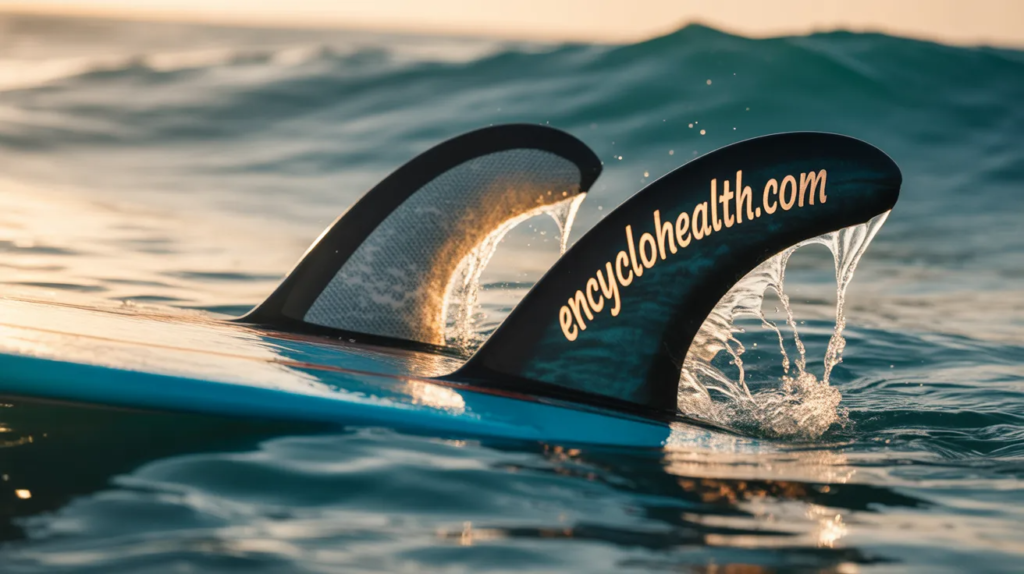
Surfboard fins are the blade-like structures attached to the underside of your board near the tail. They sit in fin boxes or are glassed directly onto the board. Their job is to create resistance in the water so your board tracks in a straight line, holds through turns, and generates drive.
Without fins, a surfboard would spin freely and slide all over the place. Think of fins as the steering system of your surfboard. They work by creating drag and lift through the water, much like a keel on a sailboat. The shape, size, angle, and number of fins all influence how your board feels.
According to Surfer Magazine, even subtle changes in fin configuration can alter a board’s performance by up to 30%, making fin selection as critical as choosing the right board shape.
Most surfers upgrade their board before they ever think about their fins. That is a mistake. Swapping fins is cheaper, faster, and often produces a bigger performance difference than buying a new board.
The Main Types of Surfboard Fins
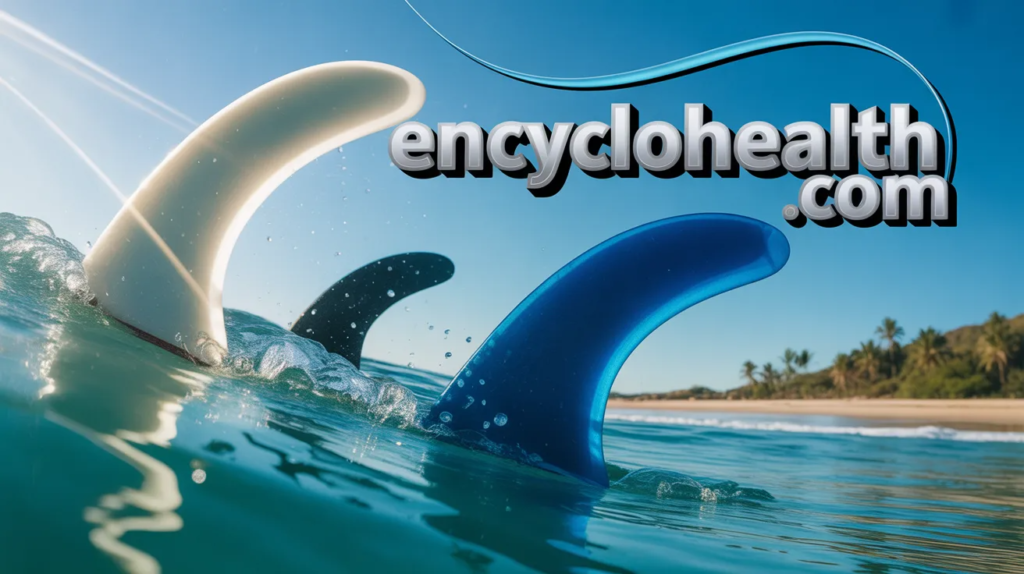
Not all surfboard fins are the same. They come in different configurations, each designed for specific conditions and surfing styles. Here are the main ones you need to know.
Single Fin
Single Fin Classic longboard setup. Smooth, flowing ride with great trim speed.
Twin Fin
Twin Fin (2+1) Loose and speedy. Great for small, punchy waves and flowing surfing.
Thruster
Thruster (Tri Fin) The gold standard for performance. Balance of drive, hold, and control.
Quad
Quad Fin Speed machine. Great down the line and in hollow, powerful waves.
5-Fin
Five Fin (Bonzer) Versatile setup. Ride as quad or thruster depending on conditions.
Single Fin
The single fin is the original surfboard fin setup. It dominated surfing from the 1950s through the late 1970s. You find single fins on longboards, fish shapes, and retro designs. A large single fin creates a smooth, predictable ride. It tracks well and allows for stylish, drawn-out turns.
The downside is that single fins can feel stiff and limiting when you want quick direction changes. They are not ideal for high-performance shortboarding, but for noseriding and cruising, nothing beats them.
Twin Fin
Twin fins became popular in the late 1970s thanks to shapers like Mark Richards. The setup removes the center fin entirely and places two side fins further apart. This creates a loose, skatey feel with incredible speed generation.
Twin fins work best in small, fun waves where speed matters more than hold. They can feel slippery in powerful surf because there is no center fin to prevent spin-out. Many surfers use twin fins on fish boards and enjoy the freedom they provide.
Thruster (Tri-Fin)
Simon Anderson invented the thruster in 1981, and it changed competitive surfing permanently. The thruster uses three fins of similar size. Two side fins angle inward and one center fin sits directly behind them.
Thrusters give you the best balance of speed, drive, and control. They hold through powerful sections and respond well to powerful turns. This is why almost every professional surfer on the World Surf League Tour uses a thruster setup. It is the most popular surfboard fin configuration in the world.
Quad Fin
The quad setup uses four fins, two on each side, with no center fin. This configuration channels water flow more efficiently and generates serious speed down the line. Quads feel faster and more stable in hollow, powerful waves.
The trade-off is pivot. Without a center fin, quads can feel less responsive when you want to snap hard off the top. Many surfers switch to quads when big, powerful swell hits and switch back to thrusters for everyday conditions.
Five Fin Setup
Five fin boards give you the flexibility to ride as a thruster or a quad just by adding or removing fins. This makes them incredibly versatile. You invest in one board and adapt your fin setup to the conditions of the day. Many modern high-performance shortboards come with a five fin setup as the default.
Surfboard Fin Materials Explained
The material your surfboard fins are made from affects flex, feel, and durability. It also affects price, which matters when you are building out your fin collection.
Fiberglass Fins
Fiberglass fins are the most common and affordable option. They offer a good balance of flex and stiffness. Most entry-level to mid-range fins are made from fiberglass. They are durable and perform well across a wide range of conditions. If you are new to experimenting with fins, fiberglass is a great starting point.
Honeycomb and Carbon Fins
Premium fins use a honeycomb or carbon fiber construction. Carbon fins are incredibly stiff, which translates to explosive response and power transfer. When you push hard through a bottom turn, a carbon fin returns that energy directly back to you.
The downside is price. A set of quality carbon fins can cost over $150. They are also more brittle than fiberglass. If you surf rocky points or reefs, a carbon fin hitting the bottom can crack or chip more easily than a fiberglass one.
Plastic Fins
Plastic fins come standard on many beginner boards. They do the job of providing basic stability and tracking. They are not ideal for performance surfing because they flex too much and lose energy in the water. As soon as you are ready to take your surfing seriously, upgrading from plastic to fiberglass fins is the first step worth taking.
How to Choose the Right Fin Size
Fin sizing is tied directly to your body weight. Getting the size wrong will make your board feel uncomfortable no matter how good the fins are.
- Up to 65 kg (145 lbs): Small fins, labeled XS or S by most brands.
- 65 to 80 kg (145 to 175 lbs): Medium fins. The most common size on the market.
- 80 to 90 kg (175 to 200 lbs): Large fins for more drive and hold.
- Over 90 kg (200 lbs+): XL fins to support heavier surfers through powerful turns.
These are guidelines, not strict rules. A lighter surfer who charges big waves might size up for extra hold. A heavier surfer who prefers loose, skatey surfing might size down. Use weight as a starting point and adjust from there based on how your fins feel in the water.
Fin Template Shapes and What They Change
Beyond size, the template shape of a fin changes its behavior dramatically. Here are the key measurements to understand.
- Base: A wider base creates more drive and forward speed.
- Height (rake/depth): Taller fins hold better in powerful surf. Shorter fins feel looser and more maneuverable.
- Sweep (rake): More swept-back fins feel fast and flowing. More upright fins pivot more easily.
- Foil: The inside shape of the fin influences water flow. Flat foils are common on side fins. Concave foils appear on center fins and provide lift.
Fin Systems: FCS vs Futures
Two companies dominate the removable surfboard fin market: FCS and Futures. Understanding the difference matters because you cannot mix and match fins between systems.
FCS (Fin Control System)
FCS fins use a two-tab system. Two plugs sit in the board and a key or screwdriver tightens the fin in place. FCS II is the newer version and uses a tool-less click-in system, which makes changing fins faster and easier. FCS has the largest range of fins and is available on the majority of performance boards worldwide.
Futures Fins
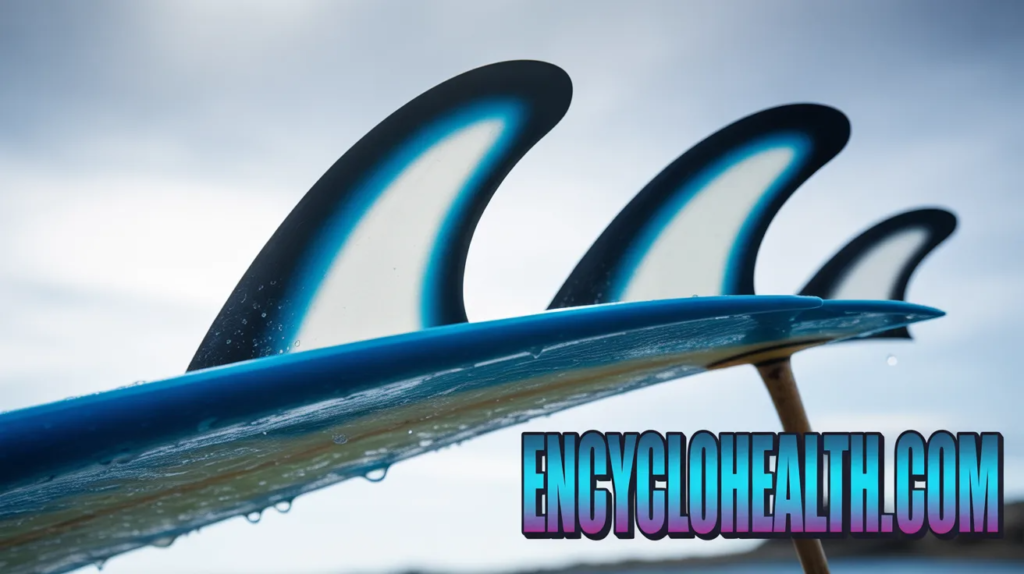
Futures uses a single-tab system where the fin slides into a longer box and is secured with one screw. Many surfers feel that Futures fins have a more connected feel because the longer box creates more surface contact with the board. Futures fin boxes are also generally considered stiffer, which can improve power transfer.
Both systems work well. The choice often comes down to which system your board is built with. Once you commit to a system, your fin collection is tied to it. Some shapers and surfers have a strong preference, but from a performance standpoint, both FCS and Futures produce excellent results at all price points.
Fin Placement and Cant Angle
How your surfboard fins are positioned and angled in the board also matters. Most of this is built into the board itself, but it helps to understand what is happening.
Cant
Cant refers to how much a fin leans away from vertical. A higher cant angle means the fin leans outward more. This increases drive and speed when you are banking through turns. A lower cant (more vertical) creates more top-to-bottom maneuverability and makes the board feel snappier.
Toe-In
Side fins are typically angled slightly inward toward the nose, called toe-in. This creates turbulence that pushes water toward the center fin and builds lift. The right amount of toe-in makes a thruster feel alive and responsive. Too much toe-in causes drag and slows the board down.
Fins for Different Wave Conditions
The best fin setup for one day of surfing might be completely wrong for the next. Matching your surfboard fins to the conditions is a skill that improves over time.
- Small, mushy waves: Twin fins or smaller thrusters. You want to generate speed from less powerful waves.
- Punchy, average surf: Standard thruster setup. Versatile and reliable across most everyday conditions.
- Overhead, powerful surf: Larger fins or a quad setup for hold and drive through bigger sections.
- Hollow, barreling waves: Quad fins excel here. The extra speed helps you get into tubes and pull through tight exits.
- Longboarding or cruising: A large single fin for smooth trimming and noseriding.
I personally keep two sets of fins in my board bag: a set of medium thrusters for everyday use and a set of quads for when solid swell shows up. Switching between them takes two minutes and makes a real difference in how the session feels.
Common Surfboard Fin Mistakes to Avoid
Even experienced surfers make mistakes with their fin setups. Here are the most common ones and how to fix them.
- Using fins that are too large: Oversized fins make the board feel stiff and hard to turn. They work against you in weaker waves especially.
- Ignoring fin condition: Nicks, chips, and cracks on fins create drag and turbulence. Check your fins regularly and replace damaged ones.
- Never experimenting: Many surfers ride the same fins for years without ever trying anything else. A small investment in a second set of fins could completely transform your surfing.
- Not tightening fin screws properly: Loose fins rattle, flex unpredictably, and eventually fall out. Check your fin screws before every session.
- Matching fins to board brand, not your needs: Just because your board came with a certain set of fins does not mean those are the best fins for you. The included fins are often a compromise, not a recommendation.
Top Surfboard Fin Brands Worth Knowing
Several brands produce consistently excellent surfboard fins that surfers at every level trust. Here is a quick overview.
- FCS: Huge range, available globally, trusted by professionals and beginners alike.
- Futures: Known for excellent flex patterns and a solid, connected board feel.
- Captain Fin Co.: Great mid-range option with stylish designs and reliable performance.
- Creatures of Leisure: Australian brand with a strong following for their durable, performance-oriented fins.
- Channel Islands Fins: Designed with input from elite surfers like Kelly Slater. Top-tier options for performance shortboarding.
How to Care for Your Surfboard Fins
Taking care of your fins extends their life and keeps your board performing well. Here are a few simple habits worth building.
- Rinse fins with fresh water after every saltwater session. Salt speeds up corrosion on fin screws and plastic components.
- Remove fins for long-term storage. This reduces stress on the fin boxes and prevents warping.
- Inspect fin edges regularly. A small chip or crack on a fin edge creates drag and compromises performance.
- Store fins away from direct sunlight. UV light degrades fiberglass over time and can cause discoloration and brittleness.
- Keep a spare fin key or screwdriver in your board bag. Losing a fin mid-session because a screw worked loose is frustrating and completely preventable.
Final Thoughts on Surfboard Fins
Your choice of surfboard fins shapes every part of your surfing experience. They determine how fast you go, how well you hold through turns, and how connected the board feels to the wave. Getting them right is one of the most high-return investments you can make in your surfing.
Start by understanding what setup your board uses and what conditions you surf most often. From there, experiment with size and material. You do not need an expensive quiver of fins to see a difference. Sometimes swapping one set of fins for another is all it takes to unlock a level of performance you did not know your board had.
What fin setup are you currently riding? And has it been working for you? Share your experience or ask a question in the comments. We would love to hear what has made a difference in your surfing.
Frequently Asked Questions
1. What are surfboard fins made of?
Surfboard fins are made from plastic, fiberglass, honeycomb, or carbon fiber. Plastic fins are found on beginner boards. Fiberglass is the most common material for intermediate and advanced fins. Carbon fins are premium options offering maximum stiffness and response.
2. How do I know what size fins to use?
Fin size is primarily based on your body weight. Most fin brands publish a sizing chart that matches weight ranges to fin sizes (XS through XL). As a general rule, use smaller fins for loose, responsive surfing and larger fins for powerful waves that need more hold.
3. What is the difference between FCS and Futures fins?
FCS uses a two-tab plug system and offers tool-less installation with FCS II. Futures uses a single longer box that many surfers feel gives a stiffer, more connected feel. Both systems perform well. Your choice depends on which system your board is built with.
4. Can I ride a thruster setup in big waves?
Yes. Thrusters work well in big waves, especially if you size up your fins for more hold and drive. Many professional surfers ride thrusters in all wave sizes. A quad setup is another great option for powerful, hollow conditions because it generates more raw speed.
5. How often should I replace my surfboard fins?
There is no fixed schedule. Inspect your fins regularly for chips, cracks, or delamination. Fins that show significant damage should be replaced because they reduce performance and can create safety hazards. With proper care, quality fiberglass fins can last several years.
6. Do fins affect surfboard speed?
Yes, fins have a major impact on speed. Smaller fins create less drag and feel faster in weaker waves. Quad setups channel water flow efficiently and are known for generating excellent speed down the line. Stiff fin materials also improve energy transfer and feel more dynamic underfoot.
7. What fins should a beginner use?
Beginners benefit from larger, more forgiving fins that provide stability and directional control. A standard thruster setup in medium size is a great starting point. Avoid very small or stiff performance fins early on as they can feel unpredictable before you develop board awareness.
8. Is a twin fin setup good for beginners?
Twin fins are fun but can feel slippery for beginners because there is no center fin to prevent spin-out. Most instructors recommend starting with a thruster or 2+1 setup for better control before experimenting with twin fins once your balance and turning improve.
9. What fin setup is best for small waves?
Twin fins and smaller thrusters work best in small, weaker waves. They generate speed more easily and keep the board feeling lively when the surf lacks power. Larger fins in small waves create too much drag and make it harder to build momentum.
10. Can I use any fins on my surfboard?
No. You need fins that match your board’s fin system, either FCS, FCS II, or Futures. The fin configuration also needs to match the number of fin boxes on your board. A five-fin board gives you the most flexibility, allowing thruster or quad setups from the same board.
Also Read In Encyclohealth.com
Email: johanharwen314@gmail.com
Author Name: Johan harwen
About The Author: John Harwen has been surfing for over 15 years across coastlines from California to Indonesia. He writes about surf gear, wave science, and ocean culture with a focus on helping everyday surfers make smarter equipment decisions. When he is not in the water, John is testing new fin setups and sharing what he learns with the surfing community.