

Oil Change: The Complete Guide You Cannot Afford to Ignore in 2026
Introduction
Your car’s engine has hundreds of moving metal parts grinding against each other at high speed. Without clean oil running through it, those parts would wear out fast and leave you stranded on the side of the road.
An oil change is one of the simplest, most affordable things you can do to keep your car alive. Yet most drivers either wait too long, skip it entirely, or have no idea what the process actually involves.
In this guide, you will learn exactly what an oil change does, how often you need one, what type of oil your car needs, and how much you should expect to pay. Whether you want to do it yourself or take it to a shop, this guide covers everything in plain language.
By the end, you will feel confident making the right call for your vehicle and your budget.
What Is an Oil Change and Why Does It Matter?
Engine oil does a lot more than just lubricate. It cools down engine components, cleans out tiny metal particles, and prevents corrosion. Over time, oil breaks down and collects contaminants. When that happens, it stops doing its job properly.
A standard oil change involves draining the old, dirty oil from your engine, replacing the oil filter, and refilling the engine with fresh oil. It takes about 30 to 45 minutes at most shops.
Skipping it, though, has real consequences.
When oil gets old, it turns thick and sludgy. That sludge clogs up the engine passages and causes heat to build up. In the worst cases, you end up with engine failure, which can cost thousands of dollars to fix or force you to replace the car entirely.
Think of an oil change as cheap insurance for an expensive machine.
How Often Should You Get an Oil Change?
This is one of the most common questions car owners ask, and the answer has changed over the years.
The old rule: Every 3,000 miles.
The modern rule: Every 5,000 to 10,000 miles, depending on your car and the type of oil you use.
The 3,000-mile rule was accurate when cars and motor oils were less advanced. Today, most modern vehicles and synthetic oils can handle much longer intervals. In fact, many newer cars with synthetic oil and good driving conditions can go up to 10,000 or even 15,000 miles between changes.
Here is a simple breakdown:
- Conventional oil: Change every 3,000 to 5,000 miles
- Synthetic blend oil: Change every 5,000 to 7,500 miles
- Full synthetic oil: Change every 7,500 to 15,000 miles
Always check your owner’s manual first. It tells you exactly what your manufacturer recommends for your specific engine.
Signs You Need an Oil Change Now
Do not wait for the mileage number if your car is already showing warning signs. Watch out for these:
- The oil change warning light turns on
- The oil looks dark brown or black on the dipstick
- The engine sounds louder than usual or makes a knocking noise
- You notice a burning smell coming from the engine
- The oil level is low even though you changed it recently
Any one of these signs means you should not put it off. Schedule the change as soon as possible.
Types of Motor Oil: Which One Does Your Car Need?
Walking into an auto parts store and staring at dozens of oil bottles can feel overwhelming. Here is what you actually need to know.
Conventional Oil
This is the most basic type of motor oil. It is refined from crude oil and works fine for older vehicles with simple engine designs. It is also the cheapest option. If your car is older and has high mileage, conventional oil can still do the job well.
Synthetic Oil
Synthetic oil is engineered in a lab to perform better across a wider range of temperatures. It flows more easily in cold weather, resists breakdown at high temperatures, and lasts longer between changes. Most newer vehicles are designed to use synthetic oil.
Yes, it costs more upfront. But because you change it less frequently, it often balances out over time.
Synthetic Blend Oil
This is exactly what it sounds like: a mix of conventional and synthetic oil. It offers better performance than conventional oil at a more affordable price than full synthetic. A solid middle ground for many drivers.
High-Mileage Oil
If your car has over 75,000 miles on it, high-mileage oil contains additives that help reduce oil consumption, prevent leaks, and protect older seals. Worth considering if your engine is getting up there in age.
Understanding Oil Viscosity: What Do Those Numbers Mean?
You have probably seen labels like 5W-30 or 10W-40 on oil bottles. These numbers tell you how the oil flows at different temperatures.
The first number (with the W, which stands for winter) tells you how the oil performs in cold temperatures. A lower number means it flows better in the cold. The second number tells you the oil’s thickness at operating temperature.
Your owner’s manual tells you the exact viscosity your car requires. Using the wrong one can hurt your engine performance.
DIY Oil Change vs. Going to a Shop
You have two options: do it yourself or let a professional handle it. Both have advantages.
Doing It Yourself
Changing your own oil saves money. The cost of oil and a filter usually runs between $25 and $75 depending on the type of oil you choose. You also know exactly what oil and filter went into your car.
What you need for a DIY oil change:
- The correct type and amount of motor oil for your car
- A new oil filter compatible with your vehicle
- An oil drain pan
- A wrench to remove the drain plug
- A filter wrench (helpful but not always necessary)
- A funnel
- Safety gloves and a clean rag
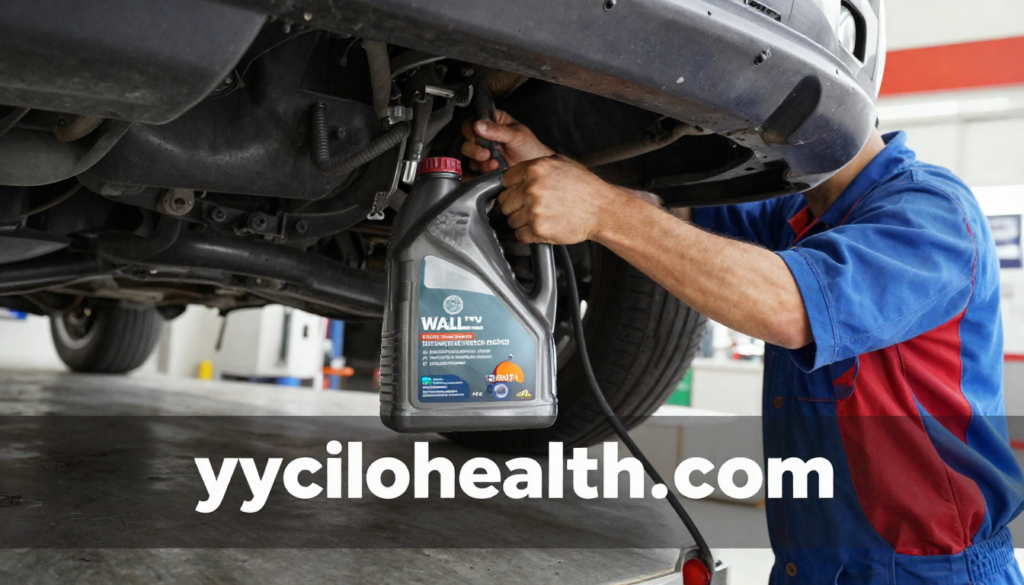
The basic process involves draining the old oil, removing and replacing the filter, reinstalling the drain plug, and adding new oil. Then you run the engine for a minute, check for leaks, and verify the oil level.
It sounds simple, and it really is once you have done it once or twice. The learning curve is low.
Going to a Professional
If you do not have the time, the tools, or the confidence to do it yourself, a shop is the easy choice. Quick lube shops can often get you in and out in under 30 minutes.
The average cost of an oil change at a shop runs from:
- $25 to $50 for conventional oil
- $45 to $100 for full synthetic oil
Many shops also do a multi-point inspection while they have your car, which can catch other issues early.
One tip: skip the upsell pressure. Shops often push air filters, wiper blades, and flushes that may not actually be necessary. Know what your car needs before you walk in.
How to Check Your Oil Between Changes
You do not need to wait for your next scheduled oil change to know what is going on inside your engine. Checking your oil takes about two minutes and can save you from a very expensive repair.
Here is how to do it:
- Park on level ground and turn off the engine. Wait a few minutes for the oil to settle.
- Pop the hood and find the dipstick. It usually has a yellow or orange handle.
- Pull it out, wipe it clean with a rag, then push it back in all the way.
- Pull it out again and look at the oil on the tip.
Check two things: the level and the color.
The oil should sit between the two marks on the dipstick. If it is below the minimum mark, you need to add oil. The color should be amber or light brown. If it looks black and gritty, you are overdue for a change.
I personally check my oil every time I fill up my gas tank. It takes almost no time and keeps me from being caught off guard.
Common Oil Change Mistakes to Avoid
Even experienced car owners make these mistakes. Knowing them ahead of time can save you trouble.
Using the wrong oil type or viscosity. Always match the oil to what your owner’s manual specifies. Using the wrong viscosity can reduce engine efficiency or cause damage over time.
Over-tightening the drain plug or filter. This can strip the threads and make the next oil change a nightmare. Snug is enough. You do not need to crank it as hard as possible.
Not resetting the oil life monitor. Many modern cars have a digital system that tracks oil life. After a change, you need to reset it manually. If you skip this step, the light stays on and you lose the reminder function.
Forgetting to check the oil level after the change. Always verify the level with the dipstick after adding fresh oil. Overfilling is almost as bad as underfilling.
Going way too long between changes. A few thousand miles over your interval is not ideal, but not catastrophic. Going 20,000 miles without an oil change, however, can do serious and permanent damage.
Oil Change and the Environment: Proper Disposal Matters
Used motor oil is a hazardous material. One gallon of used oil can contaminate one million gallons of fresh water. Do not pour it down the drain or into the trash.
If you do your own oil changes, collect the used oil in a sealed container and drop it off at a recycling center or auto parts store. Most stores like AutoZone or O’Reilly accept used oil for free.
Many quick lube shops also accept used oil from DIY customers. It takes less than five minutes and keeps harmful chemicals out of the water supply.
Conclusion
An oil change is not glamorous, but it is one of the most important things you can do for your vehicle. It protects your engine, extends the life of your car, and prevents expensive repairs down the road.
Here are the key takeaways from this guide:
- Change your oil based on your vehicle type and the oil you use, not just the old 3,000-mile rule
- Know your oil type: conventional, synthetic, synthetic blend, or high-mileage
- Watch for warning signs like dark oil, engine noise, and warning lights
- Check your oil every time you fill up gas
- Dispose of used oil responsibly
Whether you do it yourself or go to a shop, staying on top of your oil change schedule is one of the smartest habits you can build as a car owner.
What is your go-to method: DIY or quick lube shop? Drop a comment and let us know. And if this guide helped you, share it with someone who could use it.

Frequently Asked Questions
1. How long does an oil change take? At most quick lube shops, a standard oil change takes 20 to 45 minutes. A DIY oil change can take 30 to 60 minutes if you are doing it for the first time, and less as you get more practice.
2. Can I switch from conventional to synthetic oil? Yes, you can switch at any time. Contrary to old myths, switching to synthetic will not cause leaks in a well-maintained engine. It may actually help clean up minor deposits over time.
3. What happens if I do not change my oil? Over time, old oil breaks down and becomes sludgy. This leads to poor lubrication, overheating, and eventually engine failure. Neglecting oil changes is one of the top causes of premature engine damage.
4. Can I top off my oil instead of changing it? Topping off adds more oil but does not remove the dirty oil already in your engine. It is fine as a short-term fix if your level is low, but it does not replace a proper oil change.
5. Does a brand-new car need an oil change? Yes. Most manufacturers recommend the first oil change at around 1,000 to 5,000 miles on a new vehicle. Check your owner’s manual for the exact recommendation.
6. Is a more expensive synthetic oil always better? Not always. If your car was designed for conventional oil and has an older engine, synthetic may not offer meaningful benefits and is just an added cost. Use what your manufacturer recommends.
7. How do I know if my car uses 0W-20 or 5W-30? Check your owner’s manual or the oil cap under the hood. Many modern cars print the recommended viscosity directly on the engine’s oil filler cap.
8. Can I change my oil too often? Technically yes, but it is not harmful to the engine. It is just unnecessary spending. Changing high-quality synthetic oil every 3,000 miles when it is rated for 10,000 miles wastes money.
9. What is the difference between an oil change and an oil and filter change? They are the same thing when done correctly. Any proper oil change should always include replacing the oil filter. Never change the oil without changing the filter.
10. Does engine oil expire if my car sits unused? Yes. Even if you have not driven many miles, oil degrades over time due to moisture and oxidation. If your car has been sitting for six months or more, change the oil before driving it regularly again.
also read: encyclohealth.com
email: johanharwen@314gmail.com
Author Name: James R. Holloway
About the Author : James R. Holloway is an automotive writer and certified mechanic with over 12 years of experience working in auto repair shops and writing about car care. He specializes in making complex mechanical topics simple and accessible for everyday drivers. When he is not under a hood, he is writing guides that help car owners save money and avoid costly repairs.
