On Cloud Shoes: The Surprisingly Powerful Secret to All-Day Comfort
Introduction
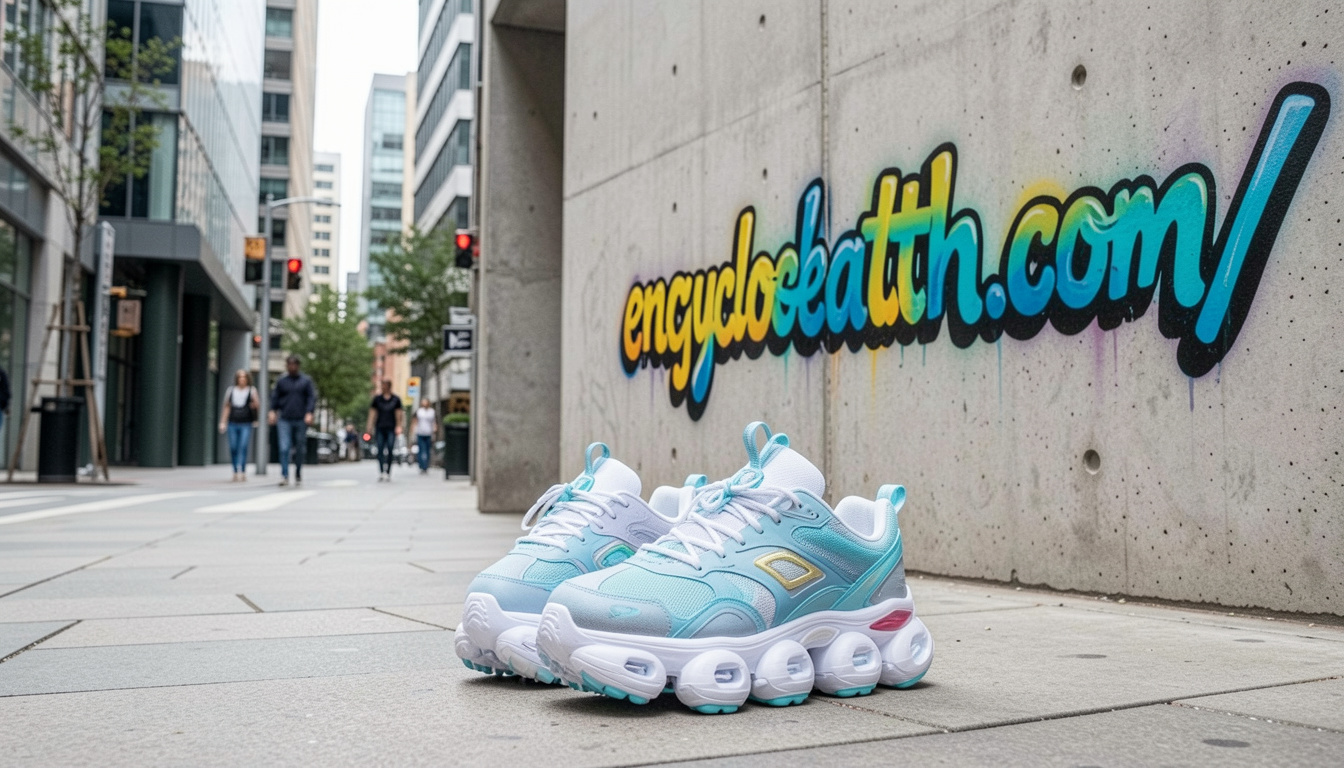
You have probably seen them everywhere. On city sidewalks, at the gym, in airport terminals. Those chunky-soled, almost futuristic-looking shoes with the hollowed-out pods on the bottom. Cloud shoes have exploded in popularity, and if you have not tried a pair yet, you are likely wondering what all the fuss is about.
Cloud shoes are not just a passing trend. They represent a real shift in how footwear technology meets everyday comfort. Whether you are a runner logging serious miles, a nurse standing for 12-hour shifts, or someone who just wants to walk without their feet screaming by noon, on cloud shoes promise a walking experience that feels noticeably different.
In this guide, you will learn exactly what cloud shoes are, how the technology works, who benefits most from wearing them, what the downsides are, and how to choose the right pair for your lifestyle. By the end, you will know whether on cloud shoes are worth the investment or just an overhyped status symbol.
What Are on Cloud Shoes?
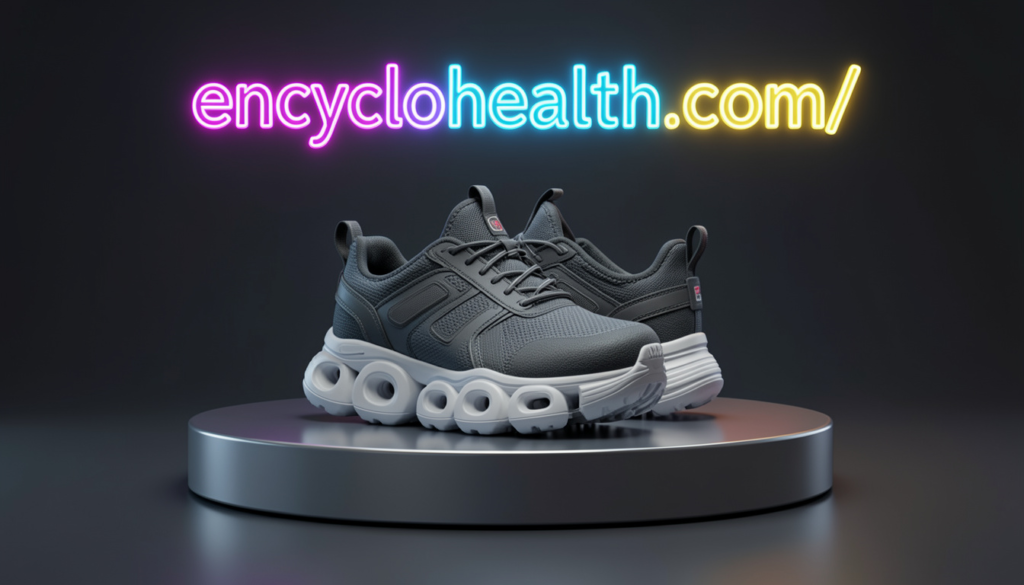
Cloud shoes are a category of footwear built around a specific cushioning system. The most well-known brand in this space is On Running, a Swiss company that introduced the “CloudTec” sole design in 2010. The sole features hollow, pod-like structures that compress on impact and then firm up during push-off. This creates a sensation that many wearers describe as “running on clouds.”
The term “on cloud shoes” has since expanded beyond just On Running. Today, it loosely refers to any shoe with a high-cushion, cloud-inspired sole design. Brands like Hoka, New Balance, Brooks, and even Nike have launched models that compete in this space.
What makes them visually distinctive is that stacked, chunky silhouette. But the technology underneath is what really sets them apart from traditional athletic shoes.
How the CloudTec Sole Actually Works
The hollow pods in the sole serve a dual purpose. When your foot strikes the ground, the pods compress. This absorbs shock and reduces the impact on your joints. A 2020 study published in the Journal of Sports Sciences found that cushioned footwear can reduce peak tibial acceleration during running by up to 20 percent.
Then, as you push off, those pods firm up and spring back. This gives you a responsive, energized feel at toe-off. In theory, you get the best of both worlds: soft landing, powerful push.
The channel running through the center of the sole also allows for natural foot flexion. Your foot bends more freely than in a traditional foam midsole, which can improve your gait over time.
The Real Benefits on Cloud Shoes
Let us get into the details. Here is what on cloud shoes actually do well.
1. Exceptional Everyday Comfort
This is the big one. on Cloud shoes are genuinely comfortable for all-day wear. The cushioning system reduces fatigue on hard surfaces like concrete and tile. If your job keeps you on your feet, or if you commute long distances on foot, this matters enormously.
Healthcare workers, teachers, retail staff, and warehouse employees consistently rank comfort as their top footwear priority. on Cloud shoes deliver exactly that, without the thick, cumbersome feel of older orthopedic-style shoes.
2. Reduced Joint Stress
The shock-absorbing pods take pressure off your knees, hips, and lower back. For anyone with joint issues, plantar fasciitis, or post-surgery recovery, this can be genuinely life-changing. Physical therapists often recommend high-cushion shoes for patients dealing with lower-body pain.
A 2019 study in the British Journal of Sports Medicine noted that shoes with high stack heights (the thickness of the midsole) can reduce energy expenditure by up to 4 percent during running. Less energy spent fighting impact means more left in the tank.
3. Lightweight Construction
Despite the chunky appearance, on cloud shoes are surprisingly light. On Running uses a mix of engineered mesh and foam that keeps weight low without sacrificing structure. Most models clock in under 10 ounces for a men’s size 10.
That lightness matters during long runs or long days. Heavy shoes accelerate fatigue. Light shoes help you stay fresh longer.
4. Stylish Enough to Wear Anywhere
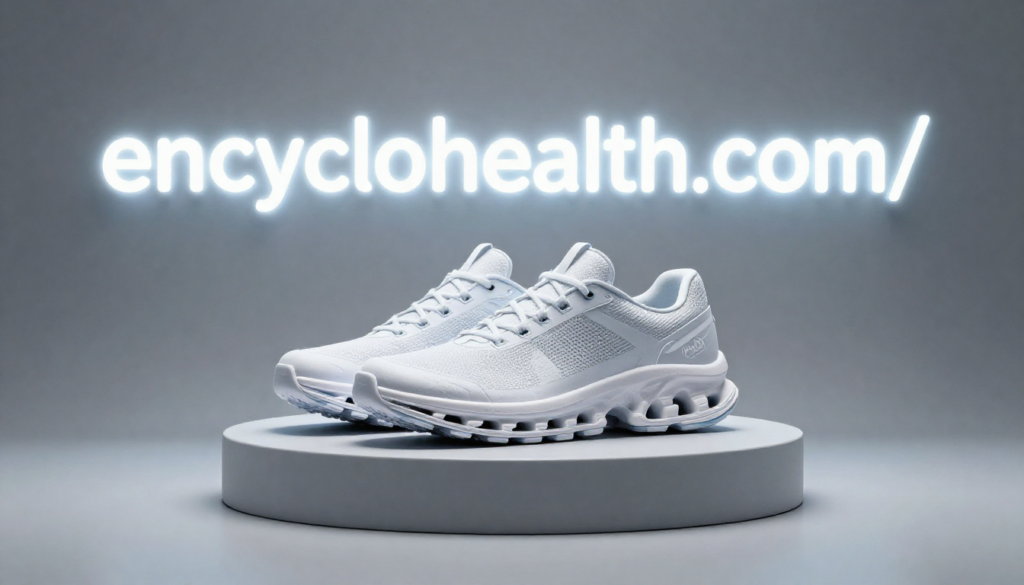
Cloud shoes have transcended the gym. You can wear them to brunch, on a casual Friday at the office, or on a long travel day. The clean, modern aesthetic works with joggers, chinos, jeans, and even dresses.
This versatility is a big reason for their mainstream popularity. You are not just buying a running shoe. You are buying a go-everywhere comfortable shoe that happens to look cool.
5. Durability That Holds Up
Quality on cloud shoes are built to last. The rubber outsole pods are tough and wear slowly. The uppers use reinforced stitching and abrasion-resistant materials. Most users report 400 to 500 miles of life from a quality pair before the cushioning starts to break down noticeably.
The Honest Downsides You Should Know
Cloud shoes are not perfect. Here is what you need to consider before buying.
They Are Expensive
Goodon on cloud shoes cost money. On Running models typically range from $130 to $200. Hoka and Brooks options land in similar territory. Budget options exist, but they often sacrifice the quality materials and engineering that make the technology work properly.
If you are expecting budget shoe prices, you will be disappointed.
The Cushioning Is Not for Everyone
Some runners prefer a more grounded, minimal feel. The thick stack height in cloud shoes raises your foot off the ground, which can feel unstable for some people. If you are used to barefoot or minimal running, on cloud shoes may feel oddly squishy and disconnected.
Trail runners often find the road-oriented cushioning too soft for technical terrain. The pods can feel unstable on uneven surfaces.
They Can Feel Odd at First
That bouncy, pod-compressed sensation takes getting used to. Many first-time wearers describe a brief break-in period where the shoes feel strange before they start to feel amazing. Give yourself a week of regular wear before you judge them.
Sizing Can Run Differently
on Cloud shoes, especially On Running models, often run narrow or slightly short. Always try them in-store if possible, or order from retailers with free returns. Sizing up half a size is a common recommendation in the community.
Who Should Actually Wear Cloud Shoes?
Cloud shoes are not a universal fit. Here is a breakdown of who benefits most.
Perfect for you if you:
- Stand or walk for most of your workday
- Struggle with knee, hip, or lower back pain
- Run on roads or treadmills regularly
- Want one shoe that works for both exercise and casual outings
- Prefer a modern, stylish silhouette over traditional athletic aesthetics
Probably not ideal if you:
- Run trails or on highly technical terrain
- Prefer minimal, zero-drop footwear
- Need wide-width options (selection is limited)
- Are on a tight budget
Top Cloud Shoe Categories to Consider
You do not need to limit yourself to one brand. The market has matured, and you have real choices now.
Best for Running
On Running Cloudmonster and Cloud 5 are benchmarks in this category. The Cloudmonster offers max cushioning for high-mileage training. The Cloud 5 is more versatile and slightly lighter for everyday runs.
Hoka Clifton 9 is another strong choice. It uses a full EVA foam midsole rather than pods, but delivers a similar cloud-like feel with exceptional stability.
Best for Walking and All-Day Wear
On Running Cloud 5 and Cloudnova score high here. They balance cushioning with a low enough profile to stay stylish off the track.
New Balance Fresh Foam X 1080 offers a similar plush experience with better wide-width availability.
Best for Recovery and Low-Impact Use
Hoka Bondi 8 leads this category. It has the thickest stack height in Hoka’s lineup and is frequently recommended by physical therapists for post-surgery recovery walking.
Best Budget-Friendly Option
Skechers Air-Cooled Go Walk range delivers surprising comfort at around $60 to $80. It does not use the same pod technology, but the cushioning is legitimate and the price is accessible.
How to Choose the Right Cloud Shoe for You
Use this quick framework when you shop.
Step 1: Know your primary use. Running, walking, or casual wear each benefit from different designs. Pick your main activity first.
Step 2: Check the stack height. Higher stack means more cushion, which is great for hard surfaces and joint protection. Lower stack means more ground feel and stability.
Step 3: Try before you buy when possible. Fit varies widely between brands. On Running runs narrow. Hoka runs slightly wide. New Balance offers the widest range of widths.
Step 4: Look at the outsole. If you walk on wet pavement or light trails, look for rubber coverage across the full outsole. Some cloud shoes have exposed foam that can be slippery on wet surfaces.
Step 5: Set a real budget. Quality on cloud shoes cost $120 and up. Budget accordingly, or look at last season’s models on sale for a better deal without sacrificing quality.
Care Tips to Make Your Cloud Shoes Last Longer
You invest real money in cloud shoes. Here is how to protect that investment.
- Rotate between two pairs if you wear them daily. This allows the foam to decompress and recover between wears.
- Hand wash with mild soap and cold water. Machine washing can break down the adhesive bonding the pods.
- Air dry only. The heat from a dryer degrades foam and can warp the pod structure.
- Use them for their intended purpose. Wearing running-specific on cloud shoes exclusively on pavement will wear out the outsole faster than mixing in softer surfaces.
- Replace when the pods stop compressing visibly. Press your thumb into the sole. If it does not spring back, the cushioning is spent.
Frequently Asked Questions About Cloud Shoes
Are cloud shoes actually worth the money? Yes, if comfort and foot health are priorities for you. The engineering in quality cloud shoes genuinely reduces impact and fatigue. For people who stand all day or run regularly, the investment pays off in comfort and joint longevity.
Do cloud shoes help with plantar fasciitis? Many people with plantar fasciitis find high-cushion shoes like on cloud shoes helpful. The shock absorption reduces stress on the plantar fascia. However, results vary by individual. Consult a podiatrist if your symptoms are severe.
Can you wear cloud shoes casually, not just for exercise? Absolutely. This is one of the strongest selling points. Cloud shoes have become a lifestyle footwear staple. They look great with casual outfits and perform well on long days of walking.
How long do cloud shoes last? Expect 400 to 500 miles for running use, or one to two years for casual daily wear. When the pods no longer spring back or the outsole shows significant wear, it is time to replace them.
Are On Running shoes the only real cloud shoes? No. On Running pioneered the pod-based sole, but Hoka, Brooks, New Balance, and others offer shoes with comparable cushioning technology. “Cloud shoes” is now a broad category rather than a brand-specific term.
Do cloud shoes run true to size? Not always. On Running models tend to run narrow and sometimes short. Hoka runs slightly wide. Always check brand-specific sizing guides and read recent user reviews before ordering.
Are cloud shoes good for people with flat feet? Some cloud shoe models offer excellent arch support. Look for models with a medial post or structured midsole if you overpronate. On Running Cloud 5 and Hoka Arahi are commonly recommended for flat feet.
Can beginners use cloud shoes for running? Yes. The cushioning is actually beneficial for beginner runners whose bodies are still adapting to the impact of running. Just make sure the shoe matches the terrain you plan to run on.
Are cloud shoes waterproof? Most standard cloud shoes are not waterproof. They use breathable mesh uppers that let water in. Some brands offer waterproof or water-resistant versions. On Running has a Waterproof line worth checking out if you run in wet conditions regularly.
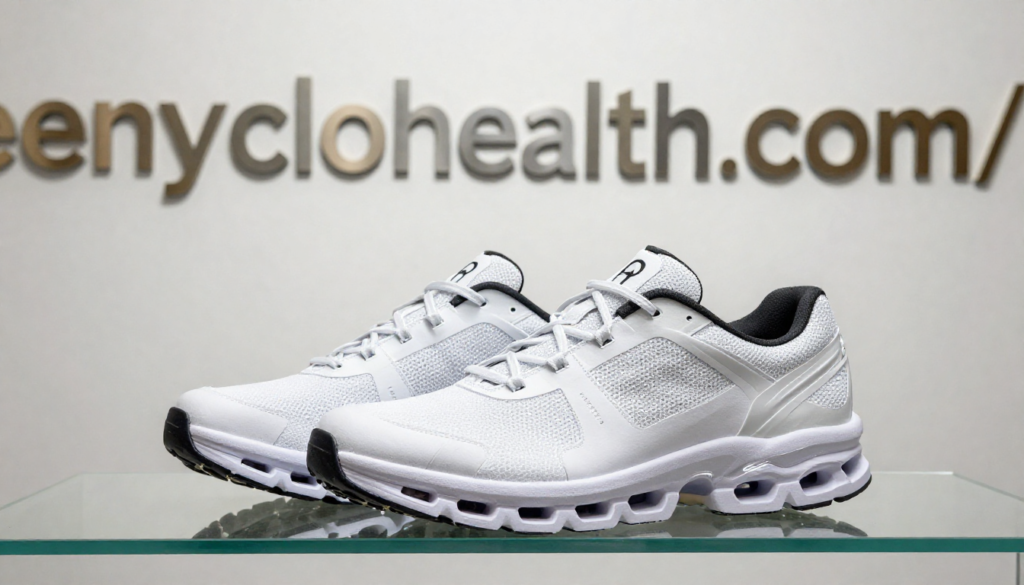
Why do cloud shoes have holes in the sole? Those gaps between the pods allow the sole to flex naturally with your foot. They also reduce weight. Each pod compresses independently, giving you localized cushioning exactly where your foot needs it.
Final Thoughts
on Cloud shoes are one of the most significant innovations in everyday footwear in the past decade. They deliver real, tangible comfort benefits for people who spend their days on their feet. The technology works. The style translates beyond the gym. And for most people, the price is justified by what you get in return.
That said, they are not a magic solution for everyone. Know your feet, know your activity, and pick the right model for your specific needs.
If you have been curious about on cloud shoes but have not taken the plunge yet, the best move is to find a store where you can try a pair. One walk around the block in a well-fitted pair of cloud shoes, and you will understand immediately why millions of people swear by them.
Have you already tried cloud shoes? Drop a comment and tell us which model won you over, or what you are still on the fence about. Your experience might help someone else find the perfect fit.
also read: encyclohealth.com
email: johanharwen@314gmail.com
Author Name: Jordan Mills
About the Author : Jordan Mills is a certified running coach and footwear enthusiast with over eight years of experience testing and reviewing athletic shoes. Jordan has completed more than 15 marathons and regularly consults with physical therapists and podiatrists to bring medically grounded insights to everyday readers. When not running, Jordan writes about gear, training, and recovery strategies for active people at all levels.