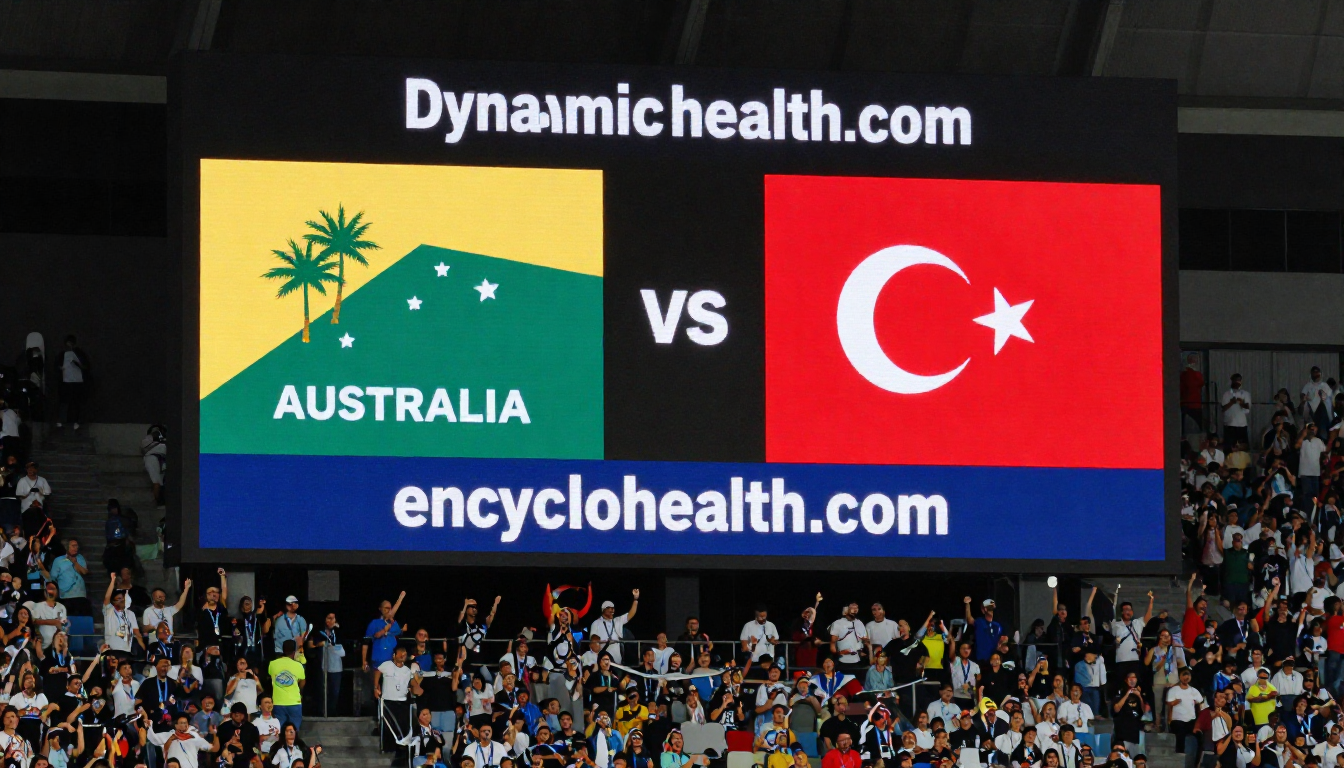
Australia vs Türkiye: The Honest Truth You Need Before You Choose in 2026
Introduction
Choosing between Australia and Türkiye is one of those decisions that keeps you up at night — and for good reason. Both countries offer something genuinely magnetic. One gives you sunburnt beaches, kangaroos, and one of the world’s highest minimum wages. The other hands you a history stretching back thousands of years, a jaw-dropping skyline where Europe meets Asia, and a cost of living that makes your wallet sigh with relief.
Whether you are planning to study abroad, relocate permanently, explore as a tourist, or simply satisfy your curiosity, the Australia vs Türkiye comparison cuts deeper than postcards and travel blogs tend to show. This article walks you through cost of living, culture, climate, education, job market, visa rules, and quality of life — so you can make a clear-headed, confident choice. Let’s get into it.
Cost of Living: Australia vs Türkiye
This is where the two countries part ways dramatically.
Australia consistently ranks among the most expensive countries in the world. According to Numbeo’s 2024 data, the average cost of living in Sydney is roughly 3.5 times higher than in Istanbul. Rent in Melbourne or Sydney can swallow 40 to 50 percent of your monthly income. A simple restaurant meal for one person in Australia costs around AUD 20 to 25. Groceries, transport, and healthcare all follow that same high trajectory.
Türkiye, on the other hand, has become one of the most affordable destinations for foreigners — largely due to the Turkish lira’s depreciation against the US dollar and euro since 2021. Istanbul, the country’s most expensive city, still costs a fraction of what you would pay in Sydney or Melbourne. A full sit-down meal at a local restaurant runs you roughly the equivalent of 3 to 5 USD.
Monthly Budget Comparison
Here is a rough monthly estimate for a single person:
- Sydney, Australia: AUD 3,000 to 4,500 (rent included)
- Istanbul, Türkiye: USD 700 to 1,200 (rent included)
- Ankara, Türkiye: USD 500 to 900 (rent included)
If budget matters most to you, Türkiye wins this round without debate.

Climate: Beaches, Snow, and Everything Between
Australia is famous for its sunshine, but the climate varies wildly across the continent. The north is tropical and humid with a dramatic wet season. The south and southeast, including Sydney and Melbourne, enjoy a temperate climate with warm summers and mild winters. Perth sits in a Mediterranean-like zone — dry, hot, and sunny for most of the year.
Türkiye has its own impressive climate diversity. Istanbul and the northwest experience a humid subtropical climate with cold, wet winters and warm summers. The Aegean and Mediterranean coasts — think Bodrum, Antalya, Izmir — deliver long, hot summers that rival anything in southern Europe. Cappadocia and eastern Türkiye bring snow, mountains, and dramatic winters.
Which Climate Suits You?
- You prefer constant sunshine and outdoor living → Australia
- You enjoy four proper seasons with hot Mediterranean summers → Türkiye (Aegean coast)
- You love dramatic landscapes and cold winters → Türkiye (eastern regions)
Neither country is a one-climate destination. Both reward you for exploring beyond the postcard shot.
Culture and Lifestyle
Australian Culture
Australia has a reputation for being relaxed, outdoorsy, and egalitarian. The culture is deeply shaped by Indigenous Australian heritage, British colonial history, and decades of multicultural immigration. Australians are famously direct, informal, and fond of a good-natured joke. Work-life balance is taken seriously. The country embraces outdoor sports, barbecues, and a general “she’ll be right” attitude toward life.
Cities like Melbourne and Sydney are genuinely cosmopolitan. You will find every cuisine, every religion, and almost every language spoken within a single suburb. The LGBTQ+ community is openly welcomed and legally protected.
Turkish Culture
Türkiye carries a rich, layered culture shaped by the Ottoman Empire, Byzantine legacy, and ancient Anatolian civilizations. Turkish culture places deep value on hospitality — it is not unusual for a stranger to invite you in for tea. Family ties are strong and central to daily life. The pace of life slows down in the evenings, and communal gatherings around food are a social cornerstone.
Istanbul is fast, ambitious, and surprisingly cosmopolitan. Coastal cities like Izmir lean more liberal and European in their daily rhythm. Rural Anatolia offers a more traditional, conservative lifestyle.
You will notice that religion plays a more visible role in daily life in Türkiye than in Australia — mosques line the streets, the call to prayer echoes through neighbourhoods, and Ramadan transforms the social calendar.
Which Culture Fits You?
- Secular, multicultural, outdoorsy → Australia
- Rich history, warm hospitality, traditional values with cosmopolitan cities → Türkiye
Education Systems: Australia vs Türkiye
Studying in Australia
Australia is a global education powerhouse. It hosts eight of the world’s top 100 universities, including the University of Melbourne, Australian National University, and the University of Sydney. The country attracts over 700,000 international students annually.
Degrees from Australian universities carry strong international recognition. Tuition fees, however, are high — international students typically pay AUD 20,000 to 45,000 per year. The post-study work visa (Temporary Graduate Visa, subclass 485) is a major draw, allowing graduates to work in Australia for two to four years after completing their degree.
Studying in Türkiye
Türkiye has quietly built a strong higher education system. Universities like Bogazici, METU, and Istanbul Technical University hold solid regional and international reputations. Türkiye actively recruits international students with the Türkiye Scholarships programme, which covers tuition, accommodation, health insurance, and a monthly stipend.
Tuition fees at state universities are remarkably low — sometimes under USD 1,000 per year for international students at non-scholarship rates. The country also offers programmes taught entirely in English or German.

Education Summary
| Factor | Australia | Türkiye |
|---|---|---|
| Global ranking | Top tier | Mid to strong regional |
| Cost for internationals | High (AUD 20K plus) | Low to moderate (USD 1K to 5K) |
| Post-study work | Yes (2 to 4 years) | Limited pathways |
| Scholarships | Competitive | Türkiye Scholarships (fully funded) |
Job Market and Salaries
Working in Australia
Australia has a robust, well-regulated job market. The national minimum wage sits at AUD 23.23 per hour (as of 2024) — one of the highest in the world. Key industries include mining, healthcare, construction, technology, education, and finance.
Skilled migrants are actively recruited. The Skilled Independent Visa (subclass 189) and Employer-Sponsored Visa (subclass 482) are popular pathways. The job market rewards qualifications and experience, and workplaces are legally required to follow strict anti-discrimination policies.
Average salaries in Australia:
- Software engineer: AUD 90,000 to 130,000 per year
- Registered nurse: AUD 70,000 to 95,000 per year
- Teacher: AUD 65,000 to 90,000 per year
Working in Türkiye
The Turkish job market is growing but competitive, especially for foreigners. Istanbul is the economic hub, with strong activity in finance, tourism, manufacturing, technology, and textiles. The minimum wage in Türkiye was approximately USD 530 per month in 2024 — significantly lower than Australia in absolute terms, but purchasing power locally remains reasonable.
Foreign nationals need a work permit, which is typically sponsored by an employer. Fluency in Turkish is a major advantage in most sectors, although tech and international business roles often operate in English.
Average salaries in Türkiye (in USD equivalent):
- Software engineer: USD 1,000 to 3,000 per month
- Teacher (international school): USD 1,500 to 3,000 per month
- Marketing professional: USD 800 to 2,000 per month
If you are earning in foreign currency while living in Türkiye, your purchasing power stretches remarkably far.
Visa and Immigration: Australia vs Türkiye
Australia Visas
Australia’s immigration system is points-based and fairly transparent. Key visa categories include:
- Student Visa (Subclass 500): For full-time students at registered institutions
- Temporary Skilled Worker (Subclass 482): Employer-sponsored work visa
- Skilled Independent Visa (Subclass 189): Points-tested, no employer needed
- Partner and Family Visas: Available but can take 1 to 3 years to process
The process is thorough, often lengthy, and requires health checks, English tests, and police clearances. But once you gain permanent residency or citizenship, you access one of the world’s most respected passports.
Türkiye Visas
Türkiye is considerably easier to enter and stay in short term. Many nationalities receive a free or low-cost e-visa valid for 90 days within 180 days. Pakistan, for example, can obtain a tourist e-visa on arrival or online.
For longer stays, Türkiye offers:
- Short-term residence permit: For property owners, language students, or remote workers
- Long-term residence permit: After 8 years of legal stay
- Turkish citizenship by investment: Available for a minimum real estate purchase of USD 400,000
Türkiye’s naturalisation pathway through investment has attracted significant interest from South Asian, Middle Eastern, and African nationals seeking a second passport.
Safety and Quality of Life
Australia
Australia consistently ranks in the top 10 on global quality of life indices. Crime rates are low, the healthcare system (Medicare) covers residents and many visa holders, and the country has strong rule of law. Natural disasters — bushfires, floods — are a real consideration, but emergency management systems are well developed.
Türkiye
Türkiye is generally safe for tourists and expats, particularly in major cities and coastal resort areas. Istanbul, Ankara, and Izmir see millions of foreign visitors and residents each year without incident. The southeastern and eastern border regions require more caution due to political sensitivities.
The Turkish healthcare system has improved significantly in the past two decades. Private hospitals in Istanbul and Ankara offer high-quality care at a fraction of Western prices, which has made Türkiye a growing destination for medical tourism.
Tourism: Which Country Should You Visit First?
Both countries deserve a spot on your bucket list — but they deliver completely different experiences.
Australia gives you:
- The Great Barrier Reef
- Sydney Opera House and Harbour Bridge
- Uluru and the Red Centre
- Daintree Rainforest
- World-class wine regions like the Barossa Valley
Türkiye gives you:
- The Blue Mosque and Hagia Sophia in Istanbul
- Hot air balloons over Cappadocia
- The turquoise coast near Bodrum and Fethiye
- Pamukkale’s thermal terraces
- Ancient ruins at Ephesus
If history and affordability pull at you, Türkiye should go first. If natural wonders and a long-haul adventure excite you more, book Australia.
Australia vs Türkiye: Quick Comparison Table
| Category | Australia | Türkiye |
|---|---|---|
| Cost of living | High | Low to moderate |
| Climate | Varied (tropical to temperate) | Varied (Mediterranean to continental) |
| Language | English | Turkish |
| Currency | AUD | Turkish Lira (TRY) |
| Visa ease | Strict, points-based | Relatively easy short-term |
| Education quality | World-class | Strong regionally |
| Salaries | Among the world’s highest | Moderate (high in USD if remote) |
| Safety | High | Moderate to high |
| Quality of life | Excellent | Good |
| Best for | Work, study, long-term migration | Budget travel, investment, cultural immersion |
Conclusion
The Australia vs Türkiye debate does not have one clean winner — it depends entirely on what you are looking for. Australia offers financial security, world-class education, and a high standard of living, but it costs significantly more to get in and stay. Türkiye opens its arms with affordability, history, warmth, and a surprisingly easy entry path, but it asks for more patience when it comes to career growth and professional pathways.
If you are a student chasing an affordable but internationally respected degree with scholarship support, Türkiye makes a compelling case. If you want to build a career, earn in a strong currency, and eventually secure a powerful passport, Australia is worth every step of the effort.
Both countries are worth experiencing. The real question is: what stage of life are you in, and what matters most to you right now?
Drop your thoughts in the comments. Are you leaning toward Australia or Türkiye, and what pushed you in that direction? I would love to hear your reasoning.

Frequently Asked Questions
1. Is Australia more expensive than Türkiye? Yes, significantly. Australia is one of the world’s most expensive countries, while Türkiye offers a much lower cost of living, especially for foreigners earning in USD or EUR.
2. Is it easier to get a visa to Türkiye or Australia? Türkiye is easier for short-term visits. Many nationalities receive a tourist e-visa within minutes. Australia’s immigration system is stricter and more points-based, making it a longer process for permanent residency.
3. Which country is better for international students? Australia ranks higher globally for university reputation and post-study work rights. Türkiye is far more affordable and offers fully funded scholarships through the Türkiye Scholarships programme.
4. Can I get Turkish citizenship easily? Yes, through real estate investment of at least USD 400,000, you can qualify for Turkish citizenship. This has made Türkiye popular among investors seeking a second passport.
5. Is Türkiye safe for tourists? Yes, major tourist areas including Istanbul, Cappadocia, Antalya, and the Aegean coast are safe for tourists. Exercise standard precautions as you would in any large city.
6. Which country has better job opportunities? Australia offers better job opportunities in terms of salary, worker protections, and long-term career growth. Türkiye’s job market is growing but more competitive for foreigners.
7. What is the best time to visit Australia? It depends on the region. For Sydney and Melbourne, spring (September to November) and autumn (March to May) are ideal. For the north and outback, the dry season from May to September works best.
8. What is the best time to visit Türkiye? Spring (April to June) and autumn (September to October) are ideal for most of Türkiye, especially Istanbul and Cappadocia. The Mediterranean coast shines from June to September.
9. Which country has better healthcare? Australia’s Medicare system provides strong public healthcare. Türkiye’s private hospitals offer excellent care at lower prices, making it attractive for medical tourism.
10. Can I live in Türkiye as a remote worker? Yes. Many remote workers live in Türkiye on short-term residence permits while earning in foreign currency. The low cost of living makes it a popular digital nomad destination.
also read: encyclohealth.com
email: johanharwen@314gmail.com
Author Name: Sarah Whitfield
About the Author : Sarah Whitfield is a travel writer and relocation consultant with over a decade of experience helping individuals and families navigate international moves. She has lived across Southeast Asia, the Middle East, and Europe, and has written extensively on visa pathways, cost comparisons, and the real-world experience of moving abroad. Her work has appeared in international lifestyle and travel publications. When she is not writing, she is usually planning her next overland route or testing a new city’s coffee scene.