What is The Unsent Project: Raw Emotions Revealed 2026
Introduction
Have you ever typed out a message to someone you loved but never hit send? Maybe it was to your first love, an ex, or someone who slipped away. You’re not alone in this. Thousands of people have felt that same pull between wanting to reach out and choosing silence.
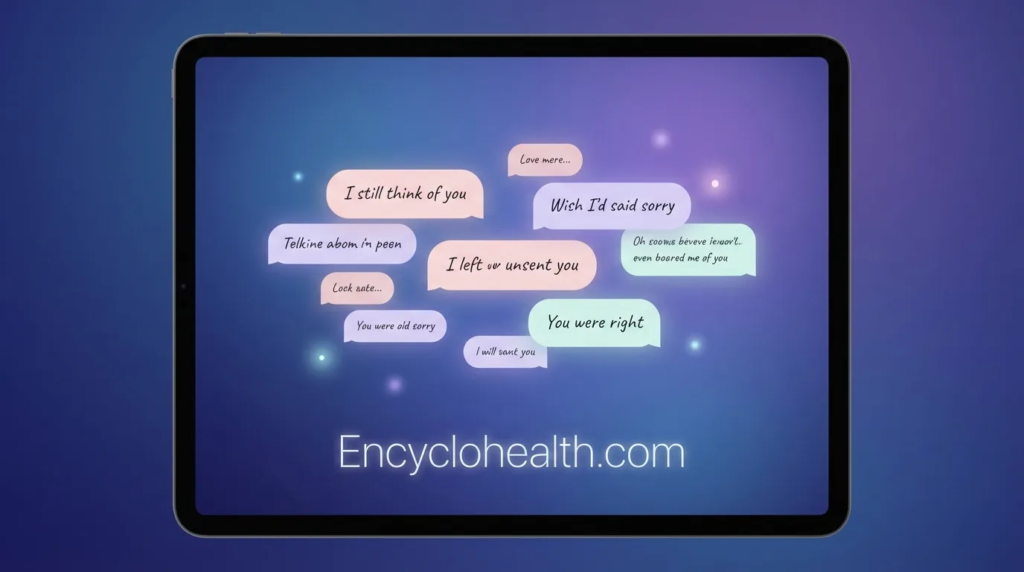
The Unsent Project captures exactly this feeling. It’s a digital collection of unsent text messages to first loves. Real people submit real messages they never sent. Each one is anonymous. Each one is tagged with a name and a color. The result is a massive, searchable archive of human emotion that you can explore by name or by feeling.
This article will walk you through what The Unsent Project is, how it started, why it resonates with so many people, and what you can learn from it. Whether you’re curious about the concept or thinking about submitting your own unsent message, you’ll find everything you need to know right here.
What Exactly Is The Unsent Project?
The Unsent Project is an online art installation and social experiment. It was created by artist Rora Blue in 2015. The concept is simple but powerful. People submit messages they wrote but never sent to their first loves. These messages get posted anonymously on the website.
Each submission includes three things. First, the message itself. Second, the first name of the person it was meant for. Third, a color the submitter associates with that person. You won’t find last names or identifying details. Everything stays private.
The website organizes submissions by color and by name. You can search for a specific name like “Sarah” or “Alex.” You can also browse by color. Each color represents a different emotion or memory tied to that person. The layout is minimal and clean. It lets the words speak for themselves.
What makes The Unsent Project unique is its raw honesty. These aren’t polished love letters. They’re messy, unfiltered thoughts. Some are heartbreaking. Some are angry. Others are funny or hopeful. They all share one thing in common. They were never meant to be sent.
The Story Behind The Unsent Project
Rora Blue started The Unsent Project during her freshman year of college. She was studying at Arizona State University. She came up with the idea as a way to process her own emotions about a past relationship. Instead of sending a message to her first love, she turned that impulse into art.
She started collecting submissions from friends and classmates. The response was immediate and overwhelming. People wanted to share their unsent messages. They wanted to be heard without being exposed. The anonymity gave them freedom.
The project quickly grew beyond her campus. As more people discovered it online, submissions poured in from around the world. Today, The Unsent Project has tens of thousands of entries. It continues to receive new submissions daily.
Rora Blue didn’t set out to create a viral phenomenon. She wanted to explore the gap between what we feel and what we say. That gap is where The Unsent Project lives. It’s a space for all the things we wish we could say but don’t.
Why Do People Submit to The Unsent Project?
Submitting an unsent message serves a psychological purpose. It’s a form of release. When you write something down, you externalize it. You get it out of your head. Even if you never send it, the act of writing brings relief.
The Unsent Project takes this one step further. When you submit your message, it becomes part of something bigger. You’re not just writing in a journal. You’re contributing to a collective experience. You’re sharing your pain, your regret, or your love with thousands of strangers who understand.
Anonymity plays a huge role. You don’t have to worry about judgment. You don’t have to explain yourself. You can be completely honest without consequence. This makes The Unsent Project feel like a safe space.
For many people, submitting a message is a way to let go. It’s a symbolic act of closure. You’re acknowledging what you felt. You’re honoring it. And then you’re moving on. The message exists, but it doesn’t control you anymore.
Some people submit messages years after the relationship ended. Others do it while still in the thick of heartbreak. Either way, the project gives them a place to put those feelings.
The Color System Explained
One of the most distinctive features of The Unsent Project is its use of color. When you submit a message, you choose a color that represents the person you’re writing to. This color gets associated with your message on the site.
Colors carry emotional weight. They trigger memories and feelings. Red might represent passion or anger. Blue could symbolize sadness or calm. Yellow might mean happiness or lost warmth. Each person assigns meaning based on their own experience.
The color system adds a layer of personalization. It makes each submission unique. Two people might write to someone with the same name, but their color choices tell different stories. One “Emily” might be green. Another might be purple. The colors reveal how each relationship felt.
Browsing by color creates unexpected connections. When you look at all the messages tagged with a specific color, you see patterns. You see how different people express similar emotions. It’s a reminder that heartbreak, love, and longing are universal.
The color system also makes the project visually engaging. The website displays messages in grids organized by hue. It’s beautiful and haunting at the same time. The colors draw you in, and the words keep you there.
What Kind of Messages Appear on The Unsent Project?
The messages on The Unsent Project vary widely. Some are long and detailed. Others are just a few words. The tone ranges from loving to bitter to desperate. No two messages are exactly alike.
You’ll find messages from people who still love their first love. They express regret about how things ended. They wonder what could have been. These messages are often tender and wistful.
Other messages come from anger or frustration. People write about betrayal or disappointment. They say things they never got to say in person. These messages are cathartic. They help the writer process difficult emotions.
Some submissions are updates. People write to someone from their past and tell them about their life now. They share accomplishments or struggles. It’s like writing a letter to a ghost. The person won’t read it, but the writer needs to say it anyway.
There are also messages of gratitude. People thank their first love for teaching them something important. They acknowledge the role that person played in their life. These messages show growth and maturity.
And then there are the heartbreaking ones. Messages from people who lost someone to death or distance. Messages from people who never got closure. These stick with you long after you read them.
The Emotional Impact of Reading The Unsent Project
Reading through The Unsent Project can be an intense experience. You’re peering into the private thoughts of strangers. You’re seeing their vulnerability laid bare. It’s intimate and overwhelming.
Many people report feeling less alone after browsing the site. When you see thousands of messages about heartbreak and longing, you realize your pain isn’t unique. Other people have felt exactly what you’re feeling. That realization brings comfort.
The project also sparks reflection. You start thinking about your own unsent messages. You remember people you’ve loved. You consider what you would write if you had the chance. Sometimes you even draft a message in your head.
For some, reading the messages is emotional. They cry. They laugh. They feel a rush of recognition when they see a message that mirrors their own experience. The project taps into something deep and universal.
It can also be addictive. Once you start reading, it’s hard to stop. You search for names of people you know. You browse by color. You click through page after page. Each message is a small story, and you want to know them all.
How The Unsent Project Reflects Modern Communication
The Unsent Project says something important about how we communicate today. We live in an age of instant messaging. We can reach anyone, anytime. And yet, we still hold back.
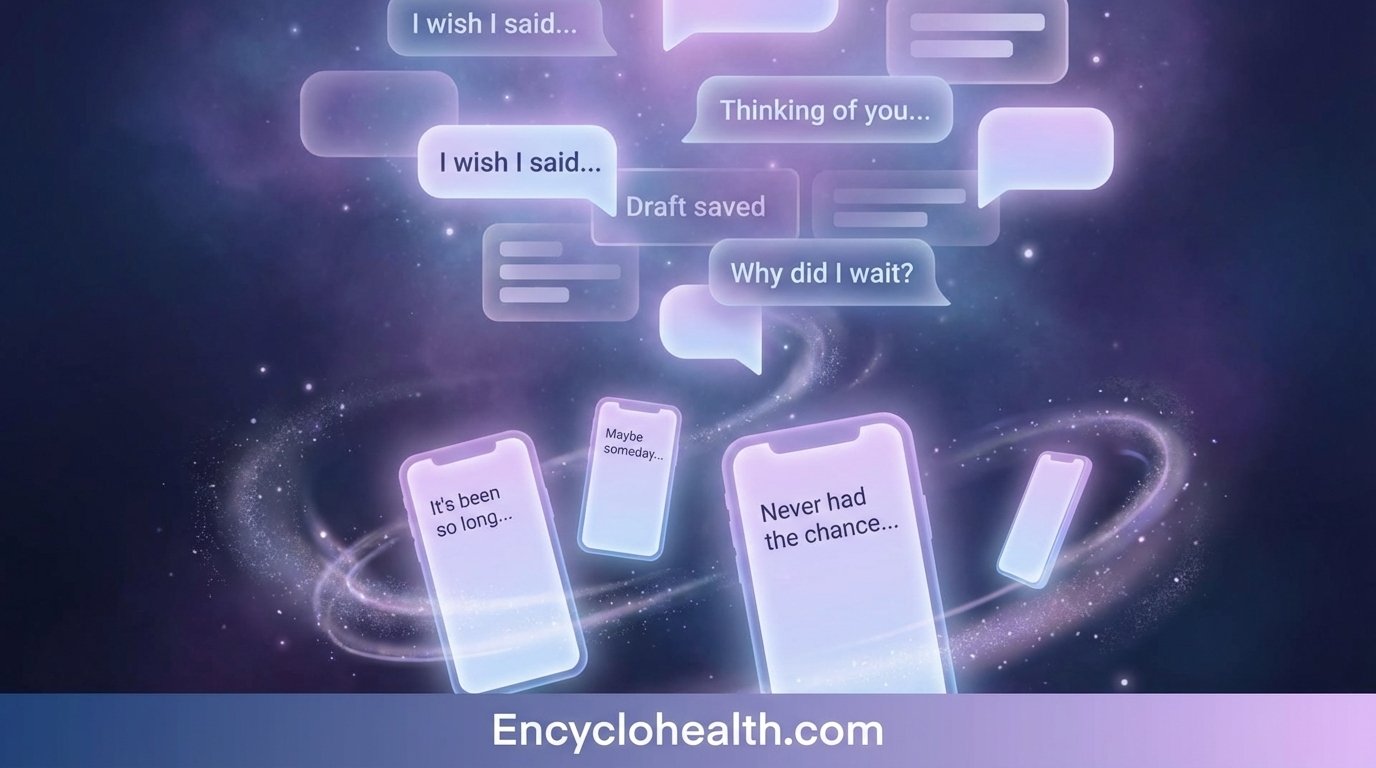
Technology makes it easier than ever to send a message. But it doesn’t make it easier to know what to say. We type and delete. We draft and redraft. We overthink every word. The ease of communication hasn’t eliminated the fear of it.
The Unsent Project exists because of this tension. We want to connect, but we’re afraid. We want to be honest, but we worry about consequences. So we write messages we never send. We keep our feelings locked away.
The project also highlights the permanence of digital communication. Once you send a message, it’s out there. You can’t take it back. That finality creates pressure. It makes us hesitant. Sometimes it’s easier to never send the message at all.
But The Unsent Project shows there’s value in the unsent message too. The message doesn’t have to reach the recipient to matter. It can serve a purpose just by existing. It can help you process, heal, and move forward.
Should You Submit Your Own Message?
If you’re considering submitting to The Unsent Project, here are some things to think about. First, ask yourself why you want to do it. Are you looking for closure? Do you need to express something you’ve been holding in? Are you hoping to feel less alone?
Submitting can be therapeutic. It gives you a place to put your feelings. It lets you say what you couldn’t say before. And it does so without the risk of confrontation or rejection.
However, it won’t solve everything. Submitting a message won’t bring the person back. It won’t undo the past. It’s a symbolic gesture, not a magic fix. Manage your expectations.
Think carefully about what you want to write. You don’t need to be poetic or profound. Just be honest. Write what you genuinely feel. The power of The Unsent Project comes from its authenticity.
Consider the color you choose. Think about what that person meant to you. What feeling do they evoke? What color captures that? This small detail adds meaning to your submission.
Remember that your message will be public. It’s anonymous, but it will be out there for anyone to read. Make sure you’re comfortable with that before you submit.
What The Unsent Project Teaches Us About Love and Loss
The Unsent Project offers insights into human emotion. It shows us that love doesn’t always end cleanly. People carry feelings for years. They wonder what could have been. They hold onto memories.
It also reveals the complexity of first love. First loves are formative. They shape how we understand relationships. They set the template for what comes after. That’s why so many people write to their first love specifically.
The project demonstrates the importance of closure. Many submissions come from people who never got to say goodbye. They never had a final conversation. The unsent message becomes that conversation, even if it’s one-sided.
It shows that letting go is a process. Some people submit messages years after the relationship ended. They’re still working through it. Healing isn’t linear. The Unsent Project gives people permission to take their time.
Finally, it reminds us that vulnerability is powerful. The bravest thing you can do is be honest about how you feel. Even if you never send the message, writing it takes courage. Sharing it, even anonymously, takes even more.
The Cultural Impact of The Unsent Project
Since its creation, The Unsent Project has become a cultural touchstone. It’s been featured in major media outlets. People share screenshots of messages on social media. It’s inspired countless conversations about love and communication.
The project has also inspired similar initiatives. Other artists have created their own versions. Some focus on different types of relationships. Others explore different themes. But The Unsent Project remains the original and most well-known.
It’s become a resource for writers, artists, and researchers. People study it to understand human emotion. They reference it in creative work. It’s a living archive of contemporary feeling.
The Unsent Project has also normalized talking about heartbreak. It’s created a space where vulnerability is celebrated, not mocked. That’s important in a culture that often prizes emotional toughness.
It’s proof that simple ideas can have profound impact. Rora Blue didn’t need complicated technology or a big budget. She just needed an idea that resonated. The Unsent Project shows the power of tapping into shared human experience.
How to Navigate The Unsent Project Website
Using The Unsent Project website is straightforward. When you visit, you’ll see a grid of messages. Each one displays the message text, the recipient’s name, and the associated color.
You can browse randomly by scrolling. This is the most serendipitous way to explore. You never know what you’ll find. Each message is a surprise.
You can also search by name. There’s a search function that lets you type in a name. The site will show you all messages addressed to people with that name. This is popular. People search for their own name or the names of people they’ve loved.
Browsing by color is another option. Click on a color, and you’ll see all messages tagged with that hue. This creates thematic coherence. All the “blue” messages, for example, might share a similar mood.
The site is simple by design. There are no comments or likes. There’s no social component. It’s just you and the messages. This keeps the focus on the words themselves.
If you want to submit, there’s a submission form. You enter your message, the recipient’s name, and choose a color. That’s it. Your message goes into the queue and eventually gets posted.
Conclusion
The Unsent Project is more than just a collection of messages. It’s a mirror held up to human emotion. It shows us what we hide, what we fear, and what we carry. It reminds us that we’re not alone in our longing and our loss.
Whether you submit your own message or simply read others, The Unsent Project offers something valuable. It validates your feelings. It connects you to a global community of people who understand. And it gives voice to all the things we wish we could say.
Have you ever written a message you never sent? What would you say if you could submit it anonymously? The Unsent Project is waiting for your words.
FAQs
What is The Unsent Project? The Unsent Project is an online collection of anonymous text messages people wrote to their first loves but never sent. Each message is tagged with a name and a color.
Who created The Unsent Project? Artist Rora Blue created The Unsent Project in 2015 while she was a student at Arizona State University.
How do I submit to The Unsent Project? Visit The Unsent Project website and use the submission form. Enter your message, the recipient’s first name, and choose a color that represents them.
Are submissions to The Unsent Project really anonymous? Yes, submissions are completely anonymous. No identifying information is collected or displayed. Only the message, recipient’s first name, and color are shown.
Can I search for a specific name on The Unsent Project? Yes, the website has a search function. You can type in any first name and see all messages addressed to people with that name.
What do the colors mean on The Unsent Project? Each color is chosen by the person submitting. It represents whatever that person associates with the recipient. The meaning is personal and varies by submission.
Why do people submit to The Unsent Project? People submit for emotional release, closure, or to feel less alone. It’s a way to express feelings they couldn’t share directly with the person.
Can I delete my message after submitting to The Unsent Project? Once a message is submitted and posted, it cannot be deleted. Consider this carefully before submitting.
Is The Unsent Project only for romantic relationships? While most messages are about romantic first loves, the project accepts any message to a first love, however you define that term.
How many submissions does The Unsent Project have? The project has tens of thousands of submissions and continues to receive new ones daily. The exact number grows constantly.
Also Read : Eva Marcille Twin Sister