The Unsent Project: Revealing Powerful Hidden Emotions Through Anonymous Messages 2026
Introduction
Have you ever typed out a message you knew you’d never send? Maybe it was to your first love, an ex, or someone who got away. You poured your heart into those words, chose the perfect phrasing, then… deleted it all.
You’re not alone. The Unsent Project has collected over a million of these unsent messages, creating a digital archive of emotions people couldn’t express. Founded by artist Rora Blue in 2015, this powerful platform invites people to submit their unsent messages to their first loves, paired with a color they associate with that person.
What makes The Unsent Project so compelling? It’s raw, honest, and completely anonymous. You’ll find everything from heartbreak and regret to gratitude and closure. Celebrities like Serena Williams and Drake have even been mentioned in submissions, showing how universal these feelings are.
In this article, we’ll explore what The Unsent Project is, why it resonates with millions, the psychology behind unsent messages, and how this simple concept became a global phenomenon.
What Is The Unsent Project?
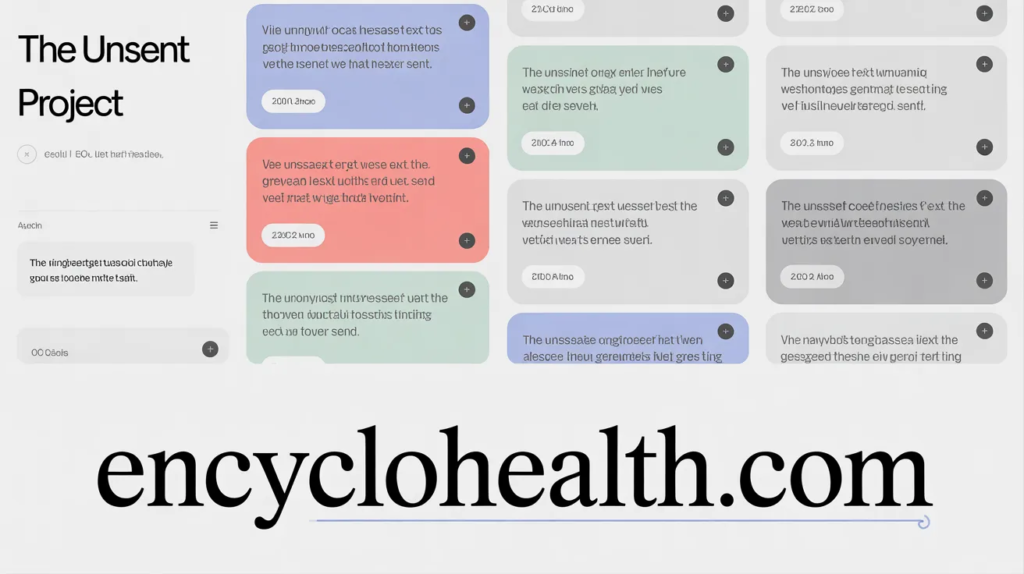
The Unsent Project is an interactive art project and online archive where people submit messages they never sent to their first loves. Each submission includes two key elements: the unsent message itself and a color the person associates with their first love.
Created by Rora Blue, the project started as a personal exploration of how we process unresolved feelings. Blue wanted to understand what people would say if they had one more chance to speak to someone they loved.
How It Works
The submission process is simple:
- Visit The Unsent Project website
- Type your message to your first love
- Select a color you associate with that person
- Submit anonymously
Your message then becomes part of a vast collection of human emotion. You can browse submissions by color, reading thousands of confessions organized by the hues people chose.
The Color Element
Why colors? Rora Blue discovered that people strongly associate colors with their first loves. Some see red for passion, blue for sadness, or yellow for happiness. This color-coding creates a unique visual and emotional experience as you browse the archive.
When you click on a specific color, you’ll find hundreds or thousands of messages from people who share that association. It’s a beautiful way to see how differently people experience love, even when they choose the same color.
Why The Unsent Project Resonates With Millions
The Unsent Project has touched millions of people worldwide. But why? What makes reading strangers’ unsent messages so captivating?
Universal Experience
First loves are universal. Whether your first love was Serena Williams (if you’re lucky enough to know her), Drake, the person next door, or your high school sweetheart, that experience shaped you. The Unsent Project taps into this shared human experience.
We’ve all had words stuck in our throats. We’ve all typed and deleted. We’ve all wondered “what if?” The project gives voice to these silent moments.
Anonymity Provides Freedom
Anonymity is powerful. When you submit to The Unsent Project, no one knows it’s you. You can be completely honest without fear of judgment or consequences.
This freedom allows people to express things they’ve carried for years—regrets, apologies, confessions, or gratitude. Some messages are heartbreaking. Others are healing. All of them are real.
Emotional Catharsis
Submitting an unsent message offers emotional release. Even if your first love never reads it, writing those words can help you process unresolved feelings.
The Unsent Project becomes a form of therapy. You acknowledge what you felt, what you never said, and finally let it go. For many people, that’s transformative.
Connection Through Shared Pain and Joy
Reading submissions reminds you that you’re not alone. Someone else felt exactly what you felt. Someone else loved and lost the same way.
This connection is comforting. When you read a message that mirrors your own experience, you realize heartbreak is part of being human. So is healing.
The Psychology Behind Unsent Messages
Why do we write messages we never send? Psychology offers several explanations.
Need for Closure
Closure helps us move forward. When a relationship ends without clear resolution, our brains keep processing. Writing an unsent message can create the closure we need, even if the other person never receives it.
The Unsent Project provides a space for this. You say your piece, express your truth, and close that chapter.
Fear of Vulnerability
Vulnerability is scary. Telling someone how you really feel means risking rejection, judgment, or indifference. It’s often easier to type the message and delete it than to actually hit send.
The project acknowledges this fear while offering a safe alternative. You can be vulnerable without actual risk.
Processing Complex Emotions
First loves bring complex emotions—joy, pain, nostalgia, regret. Writing helps us untangle these feelings. The Unsent Project gives us permission to explore them fully.
When you write your unsent message, you might discover emotions you didn’t know you had. You might find forgiveness, for them or yourself.
Digital Age Communication
We live in a digital world. We’re used to typing our feelings before speaking them. The Unsent Project fits perfectly into how we communicate today.
Texts, DMs, and emails feel less intimidating than face-to-face conversations. The project extends this comfort zone while adding anonymity.
Notable Submissions and Celebrity Mentions
The Unsent Project has collected submissions mentioning famous people, showing that celebrity crushes and real-life first loves share the same emotional weight.
Serena Williams and Drake References
Submissions mentioning Serena Williams and Drake appear throughout the archive. Some people consider celebrities their “first loves” even without personal relationships. These parasocial connections feel real to those experiencing them.
One submission to Serena Williams expressed admiration for her strength and resilience. Another mentioned Drake, confessing how his music provided comfort during heartbreak. While these aren’t traditional first loves, they demonstrate how deeply public figures can impact our emotional lives.
Other messages referencing Serena Williams and Drake show how fame doesn’t diminish the human need to express feelings, even unspoken ones. Whether your first love was Serena Williams, Drake, or someone from your hometown, the emotions are equally valid.
Real Stories That Went Viral
Several Unsent Project submissions have gone viral on social media:
- A message apologizing for ghosting someone years ago, now filled with regret
- A confession of love from someone who never found the courage to speak up
- A thank-you note to a first love who taught valuable life lessons
- Messages of grief for first loves who passed away
These viral moments expanded The Unsent Project’s reach, introducing millions to the concept.
The Impact on Mental Health and Healing
The Unsent Project offers unexpected mental health benefits.
Therapeutic Writing
Expressive writing is a recognized therapeutic tool. Studies show that writing about emotions can reduce stress, improve mood, and promote healing.
The Unsent Project harnesses this power. By writing your message, you externalize your feelings instead of keeping them bottled up.
Validation and Community
Reading others’ submissions validates your own experience. You realize your feelings aren’t abnormal or excessive. You’re part of a community that understands.
This validation is crucial for mental health. Feeling understood reduces isolation and shame.
Moving Forward
Many people report feeling lighter after submitting to The Unsent Project. They’ve said what they needed to say, even if only to an anonymous archive.
This release can mark the beginning of moving forward. You’ve honored your past while creating space for your future.
When Professional Help Is Needed
While The Unsent Project offers emotional benefits, it’s not a replacement for professional mental health support. If you’re struggling with unresolved trauma, depression, or anxiety related to past relationships, consider speaking with a therapist.
The project can complement therapy, but it shouldn’t substitute for it when professional help is needed.
How The Unsent Project Became a Cultural Phenomenon
The Unsent Project grew from a small art experiment to a global movement. How did this happen?
Social Media Amplification
Social media propelled The Unsent Project to fame. People began sharing their favorite submissions on Instagram, Twitter, and Facebook. Each share introduced new audiences to the concept.
Screenshots of particularly moving messages went viral, generating thousands of shares and comments. People tagged friends, saying, “This is exactly how I feel.”
Media Coverage
Major media outlets featured The Unsent Project, including articles in digital magazines, interviews with Rora Blue, and features on mental health and wellness platforms.
This coverage legitimized the project beyond art circles, presenting it as a valuable cultural and emotional resource.
Word of Mouth
The most powerful growth came from word of mouth. People told friends, partners, and family about The Unsent Project. They encouraged others to submit their own messages.
This organic growth created a self-sustaining community. The more people participated, the more meaningful the archive became.
Academic and Artistic Recognition
Researchers and artists have studied The Unsent Project as a case study in digital communication, emotional expression, and collective art. It’s been featured in exhibitions and academic papers exploring modern love and loss.
This recognition elevated the project from internet curiosity to serious cultural artifact.
Creating Your Own Unsent Message
Ready to submit your own message to The Unsent Project? Here’s how to approach it.
Be Honest
Don’t filter yourself. Write what you truly feel. Remember, it’s anonymous. This is your chance to say what you’ve always wanted to say.
Choose Your Color Thoughtfully
What color reminds you of your first love? Don’t overthink it. Go with your gut feeling. The color you choose becomes part of your submission’s identity.
Keep It Focused
While there’s no strict word limit, most powerful submissions are concise. Focus on your core message rather than writing an essay.
Let Go of Expectations
Your message won’t reach your first love unless they happen to browse the archive. Submit for yourself, not for them. This is about your healing, your closure, your expression.
Consider Your Emotional Readiness
Some people feel immediate relief after submitting. Others feel vulnerable or exposed, even with anonymity. Make sure you’re emotionally ready to put your feelings out there.
The Artistic and Social Value
Beyond personal catharsis, The Unsent Project holds significant artistic and social value.
Modern Art Installation
The project functions as a living art installation. It’s constantly growing, constantly evolving. Unlike traditional static art, The Unsent Project changes every time someone submits a new message.
Rora Blue has created something both deeply personal and universally accessible. It’s art you can contribute to, not just observe.
Documentation of Human Emotion
Anthropologically, The Unsent Project documents how people in the digital age process love and loss. Future generations might study this archive to understand early 21st-century emotional life.
The submissions capture language, cultural references (like mentions of Serena Williams, Drake, and other contemporary figures), and the specific ways we communicated during this period.
Breaking Emotional Stigma
The project normalizes talking about feelings. By showcasing a million vulnerable messages, it demonstrates that emotional openness is strength, not weakness.
This is especially important for men, who are often socialized to suppress emotions. The Unsent Project shows that everyone—regardless of gender—carries unspoken feelings.
Criticisms and Limitations
No project is perfect. The Unsent Project has faced some criticisms.
Privacy Concerns
While submissions are anonymous, some people worry about digital footprints. Could someone theoretically trace a submission back to its author? Probably not, but the concern exists.
Emotional Manipulation
Critics argue that the project could enable unhealthy emotional dwelling. Instead of moving forward, some people might get stuck in the past by repeatedly visiting their submissions or obsessing over the archive.
Lack of Reciprocity
Unlike actually sending a message, The Unsent Project offers no chance for response or dialogue. This one-sided communication might feel unsatisfying to some.
Quality Control
With millions of submissions, quality varies. Some messages are profound. Others are brief or superficial. There’s no curation, which is both the project’s strength and weakness.
The Future of The Unsent Project
Where does The Unsent Project go from here?
Continued Growth
The archive will keep growing as long as people have unsent messages. With millions already submitted, it could eventually contain tens of millions of entries.
Potential Expansions
Rora Blue might expand the concept beyond first loves. Imagine unsent messages to deceased relatives, former friends, or younger versions of ourselves. The possibilities are endless.
Educational Applications
Teachers and therapists are beginning to use The Unsent Project in educational settings. It offers powerful discussions about communication, emotional intelligence, and healthy relationship processing.
Book Publication
A curated collection of submissions could become a published book, bringing The Unsent Project to people who prefer physical media over digital archives.
International Reach
While The Unsent Project already has global participation, expanding language options could make it more accessible to non-English speakers, creating an even richer cultural tapestry.
Lessons From The Unsent Project
What can we learn from The Unsent Project?
Communication Matters
We carry so much inside us. The project shows how much goes unsaid in our relationships. Maybe it’s time to say the things that matter while we still can.
Shared Humanity
We’re all more alike than different. The emotions expressed in The Unsent Project transcend culture, geography, and circumstance. Love and loss are universal.
Healing Doesn’t Require Closure From Others
You don’t need someone else to give you closure. Sometimes you can create it yourself by simply expressing what you feel.
Vulnerability Is Powerful
The most powerful submissions are the most vulnerable. When we drop our defenses and speak from the heart, we connect most authentically with others.
Art Can Be Participatory
The Unsent Project proves that art doesn’t have to be created by a single person. Collective, participatory art can be just as meaningful—sometimes more so.
Conclusion
The Unsent Project is more than an online archive. It’s a testament to human emotion, a space for healing, and a reminder that we’re not alone in our feelings.
Whether your first love was someone famous like Serena Williams or Drake, the person you sat next to in chemistry class, or a summer romance that never quite happened, those feelings shaped you. The Unsent Project honors that.
If you have words you’ve never said, consider submitting your own unsent message. You might be surprised by how liberating it feels to finally express what you’ve carried for so long.
Have you submitted to The Unsent Project? What color did you choose? The beauty of this project is that everyone’s story matters—including yours.
FAQs
What is The Unsent Project?
The Unsent Project is an online archive where people anonymously submit messages they never sent to their first loves, paired with a color they associate with that person. Created by artist Rora Blue, it’s a collection of over a million unsent messages.
How do I submit to The Unsent Project?
Visit The Unsent Project website, type your message to your first love, select a color you associate with them, and submit. The process is completely anonymous and takes just a few minutes.
Can my first love see my submission?
Only if they happen to browse the archive and recognize the message. Submissions are anonymous with no identifying information. Your first love won’t be notified of your submission.
Why do people submit to The Unsent Project?
People submit for closure, emotional release, and the freedom to express feelings they couldn’t share directly. The anonymity allows complete honesty without fear of judgment or consequences.
Are submissions mentioning celebrities like Serena Williams and Drake common?
Yes, The Unsent Project includes submissions mentioning celebrities like Serena Williams, Drake, and others. While less common than traditional first loves, these submissions show how public figures can impact our emotional lives.
Can I delete my submission after posting?
No, submissions cannot be deleted once posted. The anonymous nature means there’s no way to verify which submission is yours. Consider carefully before submitting.
Is The Unsent Project helpful for mental health?
Many people find it therapeutic, as expressive writing can reduce stress and provide emotional release. However, it’s not a replacement for professional mental health support when needed.
What’s the most popular color in The Unsent Project?
While specific statistics vary, blue tends to be one of the most common colors, possibly because many people associate first loves with sadness or longing.
Has The Unsent Project been featured in media?
Yes, The Unsent Project has been featured in numerous media outlets, social media platforms, and academic studies exploring digital communication and emotional expression.
Can I browse submissions without submitting my own?
Absolutely. You can explore the entire archive without submitting anything. Many people find comfort in reading others’ messages even if they choose not to contribute their own.
Also Read : What is The Unsent Project