Smart Guide to Single Truck Insurance Coverage 2026
Introduction
You bought your first truck. Maybe you’re hauling construction materials across state lines. Or perhaps you’re delivering goods locally. Either way, you need protection. That’s where single truck insurance comes in.
This type of coverage is designed specifically for owner-operators and small trucking businesses with one commercial vehicle. It’s not the same as regular auto insurance. The stakes are higher. The cargo is heavier. The risks are different.
In this guide, we’ll walk through everything you need to know about single truck insurance. You’ll learn what it covers, how much it costs, and how to find the right policy. We’ll also share practical tips to help you save money without compromising protection. By the end, you’ll feel confident making the right insurance decision for your trucking business.
What Is Single Truck Insurance?
Single truck insurance is commercial vehicle coverage for one truck. It protects you from financial losses related to accidents, cargo damage, theft, and liability claims. This insurance is essential if you operate as an independent truck driver or own a small trucking company with one vehicle.
You might hear it called “owner-operator insurance” or “one-truck policy.” All these terms mean the same thing. The policy covers your commercial truck and your business operations.
Standard personal auto insurance won’t cut it here. Personal policies exclude commercial use. If you try to file a claim after a work-related accident, your insurer can deny it. That’s why you need specialized coverage.
Who Needs Single Truck Insurance?
You need this coverage if you fall into any of these categories:
- Independent owner-operators leasing to larger carriers
- Small business owners with one commercial truck
- New trucking entrepreneurs starting their first venture
- Drivers who haul goods for hire
- Anyone using a truck for business purposes
Some people think they can skip insurance if they’re just starting out. That’s a dangerous gamble. One accident could wipe out your savings and business. Most states also require commercial truck insurance by law.
Types of Coverage in Single Truck Insurance
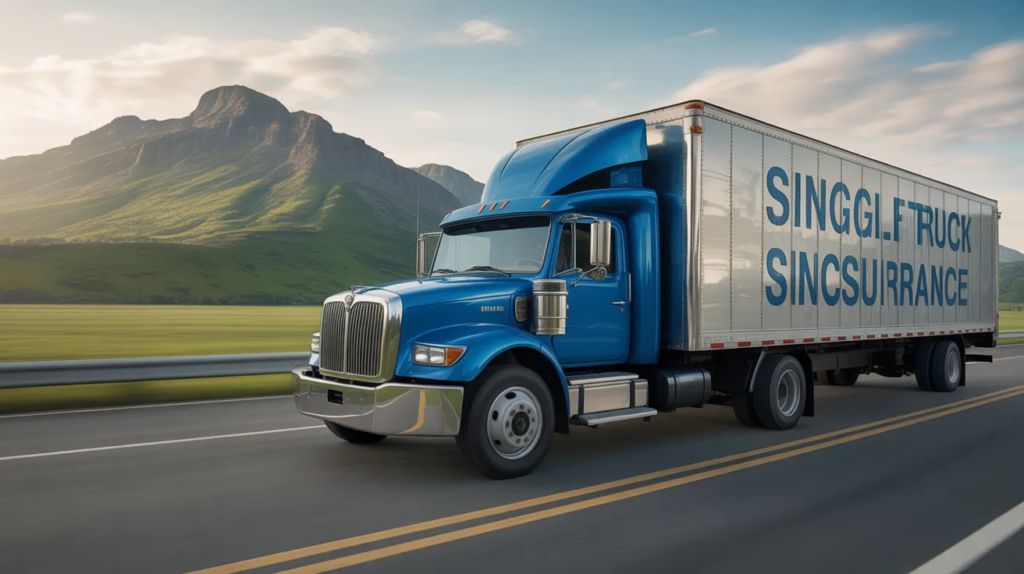
Single truck insurance isn’t just one policy. It’s actually a bundle of different coverages. Each one protects you from specific risks. Let’s break down the main types.
Primary Liability Coverage
This is the foundation of your policy. Primary liability covers damage you cause to other people or property. If you’re at fault in an accident, this coverage pays for the other party’s medical bills, vehicle repairs, and legal fees.
Most states require minimum liability coverage. The Federal Motor Carrier Safety Administration (FMCSA) sets requirements based on what you haul. For general freight, you typically need at least $750,000 in coverage. If you transport hazardous materials, that minimum jumps to $5 million.
I always recommend carrying more than the minimum. Legal judgments can exceed basic limits. The difference in premium is often minimal compared to the protection you gain.
Physical Damage Coverage
Physical damage insurance covers your own truck. This category includes two main types: collision and comprehensive.
Collision coverage pays for repairs after an accident. It doesn’t matter who’s at fault. If you hit another vehicle or object, collision coverage handles your truck’s damage.
Comprehensive coverage protects against non-collision events. This includes theft, vandalism, fire, falling objects, and weather damage. If a hailstorm dents your truck or someone steals it from a rest stop, comprehensive coverage kicks in.
Both types typically come with a deductible. You pay this amount out of pocket before insurance coverage begins. Higher deductibles mean lower premiums, but more upfront cost when you file a claim.
Cargo Insurance
Cargo insurance protects the goods you’re hauling. If the freight gets damaged, lost, or stolen during transport, this coverage reimburses the value. Your clients expect you to carry this protection.
Coverage limits vary based on what you transport. Electronics and pharmaceuticals need higher limits than lumber or gravel. Most cargo policies range from $25,000 to $250,000.
Some shippers require specific cargo coverage levels before they’ll hire you. Check your contracts carefully. Not having adequate cargo insurance can cost you business opportunities.
Motor Truck Cargo Legal Liability
This is different from regular cargo insurance. Motor truck cargo legal liability only covers cargo when you’re legally responsible for the loss. It’s typically cheaper than standard cargo coverage but offers less protection.
Many owner-operators choose full cargo insurance instead. The broader coverage provides better peace of mind.
Non-Trucking Liability
Also called “bobtail insurance,” this covers your truck when you’re not under dispatch. If you lease to a carrier, their insurance covers you during work hours. But what about when you’re driving home or running personal errands?
Non-trucking liability fills that gap. It’s essential for owner-operators who lease their services. Without it, you’re completely uninsured during non-business use.
Occupational Accident Insurance
This coverage acts like workers’ compensation for owner-operators. If you get injured on the job, occupational accident insurance covers medical expenses, disability payments, and death benefits.
Traditional workers’ comp doesn’t cover independent contractors. That’s why this specialized coverage exists. It protects your income if an injury prevents you from working.
How Much Does Single Truck Insurance Cost?
This is the question everyone asks first. Unfortunately, there’s no simple answer. Single truck insurance costs vary dramatically based on multiple factors.
On average, owner-operators pay between $8,000 and $12,000 annually for comprehensive coverage. But your actual premium could be half that amount or double it. Let’s look at what influences your rate.
Factors That Affect Your Premium
Your Driving Record: Clean driving histories get better rates. Every accident, ticket, or violation increases your premium. Major incidents like DUIs can make coverage extremely expensive or even unavailable.
Experience Level: New commercial drivers pay more than veterans. Insurers view experience as a predictor of future risk. If you’ve been driving commercially for five or ten years without claims, you’ll pay less.
Type of Cargo: What you haul matters significantly. General freight is cheapest to insure. Hazardous materials, livestock, and high-value goods cost more. The more specialized and risky your cargo, the higher your premium.
Operating Radius: Local drivers generally pay less than long-haul truckers. Staying within 50 or 100 miles of your base reduces your risk exposure. Interstate routes through multiple states increase premiums.
Truck Value and Age: Newer, more expensive trucks cost more to insure. The insurer has to cover a higher replacement value. Older trucks are cheaper to insure for physical damage, but you might skip that coverage entirely on very old vehicles.
Coverage Limits and Deductibles: Higher liability limits and lower deductibles increase your premium. This is the trade-off you control. Decide how much financial risk you can handle versus how much you want to transfer to insurance.
Credit Score: Many insurers check your credit when calculating premiums. Better credit often means lower rates. This practice varies by state, but it’s common in the trucking insurance industry.
Location: Where you base your truck affects rates. Urban areas with more traffic typically cost more than rural locations. Some states have higher insurance costs due to legal environments and claim histories.
Sample Cost Scenarios
Let’s look at some realistic examples. These are estimates, not quotes, but they give you a general idea.
A new owner-operator in Texas hauling general freight within 500 miles might pay around $9,500 annually. That includes liability, physical damage, and cargo coverage.
An experienced driver in the Midwest with five years of clean driving, hauling the same freight, might pay closer to $7,000.
A hazmat hauler with interstate authority could easily pay $15,000 or more, regardless of experience.
Remember, these are ballpark figures. Get actual quotes from multiple insurers to know your real cost.
How to Save Money on Single Truck Insurance

Single truck insurance is a significant business expense. But you don’t have to pay more than necessary. Here are proven strategies to reduce your premium without sacrificing protection.
Shop Around and Compare Quotes
Never accept the first quote you receive. Insurance rates vary dramatically between companies. Some insurers specialize in certain types of trucking and offer better rates for those niches.
Contact at least three to five insurers. Better yet, work with an independent insurance broker who represents multiple companies. They can compare rates quickly and find you the best deal.
Get quotes at least once a year. Even if you’re happy with your current insurer, market conditions change. You might find substantial savings by switching carriers.
Maintain a Clean Driving Record
This is the most powerful way to lower your premium long-term. Avoid accidents, tickets, and violations. Practice defensive driving techniques. Take breaks when you’re tired. Follow all traffic laws.
Some insurers offer accident forgiveness programs. After several years without incidents, they won’t raise your rates for your first minor accident. Ask about this benefit when shopping for coverage.
Consider Higher Deductibles
Raising your deductible from $1,000 to $2,500 or $5,000 can significantly reduce your premium. This strategy works if you have emergency savings to cover the higher out-of-pocket cost.
Run the numbers carefully. Calculate how much you’ll save annually versus the additional deductible. Make sure the savings justify the increased financial risk.
Bundle Your Coverages
Buying multiple coverage types from one insurer often triggers discounts. Instead of purchasing liability from one company and physical damage from another, bundle them together.
Some insurers also offer discounts if you add coverage for multiple business-related vehicles or properties. Ask about package deals when getting quotes.
Take Safety and Defensive Driving Courses
Many insurers reward drivers who complete approved safety training. These courses demonstrate your commitment to safe operation. The premium discount often pays for the course cost within a year or two.
Look for courses certified by the Professional Truck Driver Institute or similar organizations. Ask your insurer which programs qualify for discounts before enrolling.
Install Safety Equipment
Modern safety technology can lower your rates. Electronic logging devices (ELDs), dash cams, and collision avoidance systems all reduce risk. Some insurers offer discounts for trucks equipped with these features.
GPS tracking systems also help. They allow recovery if your truck is stolen and can provide evidence after accidents. The investment in equipment might save you money on insurance year after year.
Pay Annually Instead of Monthly
Monthly payment plans are convenient but usually include finance charges. Paying your full annual premium upfront eliminates these fees. You might save 5% to 10% annually by choosing this option.
If cash flow is tight, consider setting aside money each month into a separate account. When renewal comes, you’ll have the funds ready to pay in full.
Join Industry Associations
Some trucking associations negotiate group insurance rates for members. The membership fee might be offset by insurance savings. Organizations like the Owner-Operator Independent Drivers Association (OOIDA) offer this benefit.
Research what associations serve your specific niche. Regional and specialized groups often provide the best value and most relevant benefits.
How to Choose the Right Single Truck Insurance Policy
Finding affordable coverage is important. But choosing the right policy goes beyond price. You need adequate protection from a reliable insurer. Here’s how to evaluate your options.
Assess Your Coverage Needs
Start by understanding what you actually need. Review your contracts with shippers and brokers. They often specify minimum insurance requirements. Check your lease agreement if you’re leased to a carrier.
Consider your truck’s value and how much physical damage coverage makes sense. If you own an older truck outright, you might skip collision and comprehensive coverage entirely.
Think about your typical cargo value. Make sure your cargo insurance limits match what you haul. Underinsuring cargo can leave you personally liable for shortfalls.
Evaluate Insurer Reputation and Financial Strength
A cheap policy from an unstable insurer is no bargain. You need a company that will be there when you file a claim. Research each insurer’s financial strength rating through companies like AM Best or Standard & Poor’s.
Read reviews from other truckers. Industry forums and social media groups provide honest feedback about claim handling and customer service. Pay attention to complaints about delayed payments or denied claims.
Check how long the insurer has been in business. Established companies with decades of experience typically offer more stability than new market entrants.
Understand Policy Exclusions and Limitations
Insurance policies don’t cover everything. Read the exclusions section carefully. Know what situations aren’t covered before you buy.
Common exclusions include intentional acts, wear and tear, mechanical breakdown, and certain types of cargo. Some policies exclude coverage in specific geographic areas or for particular driving scenarios.
Ask questions about anything you don’t understand. A good insurance agent will explain every coverage detail clearly. If they can’t or won’t, find a different agent.
Review the Claims Process
How easy is it to file a claim with this insurer? Do they offer 24/7 support? What documentation do they require? How quickly do they process claims?
These questions matter when you’re stuck on the side of the road after an accident. Look for insurers with streamlined digital claims processes and responsive support teams.
Ask about their average claim settlement time. Faster processing means you get back on the road sooner and maintain your cash flow.
Consider the Level of Customer Support
As an owner-operator, you’re running a business. You need an insurance partner who understands that. Look for insurers and agents who specialize in trucking.
Good support includes answering questions promptly, helping you adjust coverage as your business changes, and providing certificates of insurance quickly when needed.
Some insurers offer risk management resources, safety training materials, and business tools. These extras add value beyond the basic policy.
Common Mistakes to Avoid
Even experienced truckers sometimes make insurance mistakes that cost them money or leave them underinsured. Here are errors to watch out for.
Underinsuring to Save Money
Cutting coverage too much is risky. Yes, premiums are expensive. But inadequate coverage can bankrupt your business if something goes wrong.
Minimum liability limits might satisfy legal requirements but won’t protect you from major claims. One serious accident can result in judgments exceeding basic coverage. You’d be personally liable for the difference.
Always balance premium costs against potential financial exposure. Sometimes paying a bit more for adequate coverage is the smartest business decision.
Not Updating Your Policy
Your insurance needs change as your business evolves. Maybe you start hauling different cargo. Or you expand your operating radius. Perhaps you buy a newer truck.
Notify your insurer immediately about changes. Operating outside your policy parameters can void coverage. That means you’d pay premiums but have no protection when you need it most.
Review your policy at least annually. Make sure it still reflects your current business operations and equipment.
Focusing Only on Price
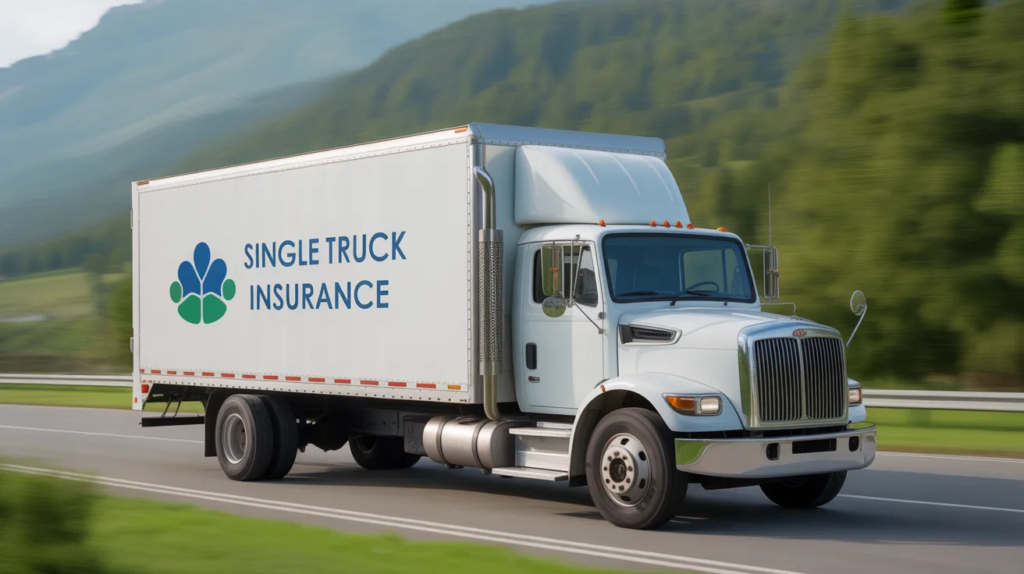
The cheapest policy isn’t always the best value. Low premiums sometimes come with poor claims service, strict exclusions, or unstable insurers.
Consider the total package. Price matters, but so do coverage quality, insurer stability, and customer service. A moderately priced policy from a reliable company often provides better long-term value.
Not Reading the Policy Documents
Insurance policies are long and full of legal language. But you need to read yours. Don’t just rely on what the agent tells you.
Understand your coverage limits, deductibles, exclusions, and obligations. Know what to do after an accident. Keep a copy in your truck for reference.
Ignorance of policy terms won’t excuse you if you violate them. Take time to understand what you’re buying.
Forgetting About Additional Coverage Options
Basic single truck insurance might not cover every risk you face. Consider additional options like:
- Rental reimbursement coverage for temporary truck replacements
- Roadside assistance and towing coverage
- Trailer interchange coverage if you haul trailers you don’t own
- General liability for non-trucking business activities
These add-ons increase your premium slightly but can save you significantly in specific situations. Evaluate which ones make sense for your operation.
The Application Process
Getting single truck insurance involves several steps. Understanding the process helps you prepare and speeds up approval.
Information You’ll Need to Provide
Insurers need detailed information to assess your risk and calculate premiums. Gather these documents before starting applications:
- Your commercial driver’s license (CDL)
- Motor vehicle record (MVR)
- Vehicle identification number (VIN) and truck details
- DOT and MC numbers if applicable
- Business entity information
- Previous insurance history
- Details about your typical operations and cargo
Having everything ready streamlines the process. You’ll get quotes faster and avoid application delays.
The Underwriting Process
After you apply, the insurer reviews your information during underwriting. They assess your risk level and determine whether to offer coverage and at what price.
Underwriters verify your driving record, check your credit, and review your business operations. This process typically takes a few days to a week.
Be honest on your application. Misrepresenting information can result in denied claims or policy cancellation later. Insurers have ways to verify what you tell them.
Getting Your Policy Documents
Once approved, you’ll receive your policy documents. Review them immediately. Make sure all information is correct and matches what you discussed with your agent.
Check the coverage limits, deductibles, effective dates, and your truck’s description. Mistakes happen. Catching errors early prevents problems later.
Keep copies of your policy, insurance ID cards, and certificates of insurance in your truck. You’ll need to show proof of insurance during inspections and when hauling for new clients.
Frequently Asked Questions
What is the difference between single truck insurance and fleet insurance?
Single truck insurance covers one commercial vehicle. Fleet insurance covers multiple trucks under one policy. If you own more than one truck, fleet coverage might be more cost-effective. But for owner-operators with just one vehicle, single truck insurance is the appropriate choice.
Do I need single truck insurance if I lease to a carrier?
It depends on your lease agreement. Many carriers provide insurance while you’re under dispatch. However, you still need non-trucking liability for personal use and occupational accident coverage for injuries. Review your lease carefully and fill any coverage gaps.
Can I get single truck insurance with a bad driving record?
Yes, but it will cost more. Some insurers specialize in high-risk drivers. You might pay substantially higher premiums. Focus on improving your record over time. As violations age off your record, your rates will decrease.
How quickly can I get single truck insurance?
The process varies. If you have all required documents and a clean record, you might get coverage within 24 to 48 hours. Complex situations requiring additional review can take longer. Start your insurance search before you need coverage to avoid delays.
What happens if I let my single truck insurance lapse?
Operating without insurance is illegal and extremely risky. You could face fines, license suspension, and out-of-service orders. If you have an accident while uninsured, you’re personally liable for all damages. Plus, insurance gets more expensive after a lapse. Maintain continuous coverage at all times.
Is cargo insurance required by law?
Federal law doesn’t require cargo insurance for most types of freight. However, your contracts with shippers and brokers typically require it. Also, you’re legally liable for cargo damage in many situations. Having cargo insurance protects your business from these financial risks.
Can I change my single truck insurance policy mid-term?
Yes, you can usually adjust your coverage during your policy period. You might need to increase liability limits for a new contract or add coverage for a different type of cargo. Contact your insurer to discuss changes. Be aware that some adjustments may affect your premium.
What should I do immediately after an accident?
First, ensure everyone’s safety and call emergency services if needed. Then notify your insurance company as soon as possible. Document the scene with photos. Get contact information from other parties and witnesses. Don’t admit fault at the scene. File a detailed accident report with your insurer promptly.
Do I need different coverage for different types of cargo?
Not necessarily different policies, but your coverage limits should match your cargo value. High-value cargo requires higher cargo insurance limits. Some specialized cargo like hazardous materials also affects your liability coverage requirements. Discuss your specific hauling activities with your agent.
How does single truck insurance work with a leased vehicle?
If you lease your truck, the lessor may require specific insurance coverage. Physical damage coverage is typically mandatory to protect their asset. Review your lease agreement for insurance requirements. Your insurer needs to list the lessor as an additional interest or loss payee on your policy.
Conclusion
Single truck insurance is essential for protecting your business and financial future. It covers you against accidents, cargo damage, theft, and liability claims that could otherwise devastate your livelihood.
The right policy balances adequate protection with affordable premiums. Take time to understand your coverage options. Compare quotes from multiple insurers. Look beyond price to consider coverage quality and insurer reliability.
Remember that your cheapest option isn’t always your best option. Adequate coverage provides peace of mind so you can focus on running your business successfully. Review your policy regularly and adjust it as your business changes.
Getting started in trucking or running an owner-operator business is challenging enough. Don’t let insurance uncertainty add to your stress. Use this guide to make informed decisions about your single truck insurance. Your future self will thank you for taking protection seriously from day one.
Have questions about your specific situation? Consider speaking with an insurance broker who specializes in commercial trucking. They can provide personalized guidance based on your unique needs and circumstances.
Also Read : Head of Household vs Single