Pilates Socks: The Only Guide You’ll Ever Need 2026
Introduction
If you’ve ever stepped onto a reformer machine in bare feet and felt that uncomfortable slip mid-movement, you already know the frustration. Pilates socks might seem like a small detail, but they can completely change how your session feels — and how safe you are while doing it.
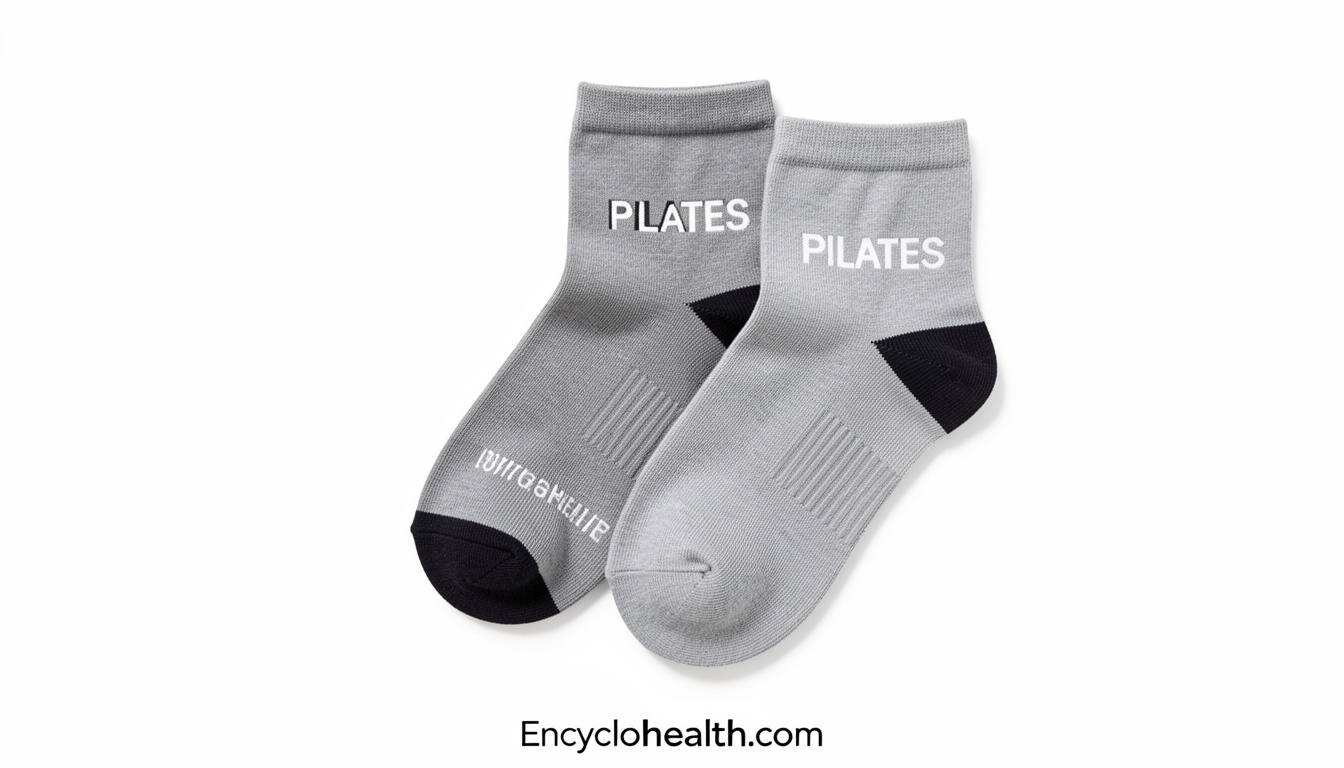
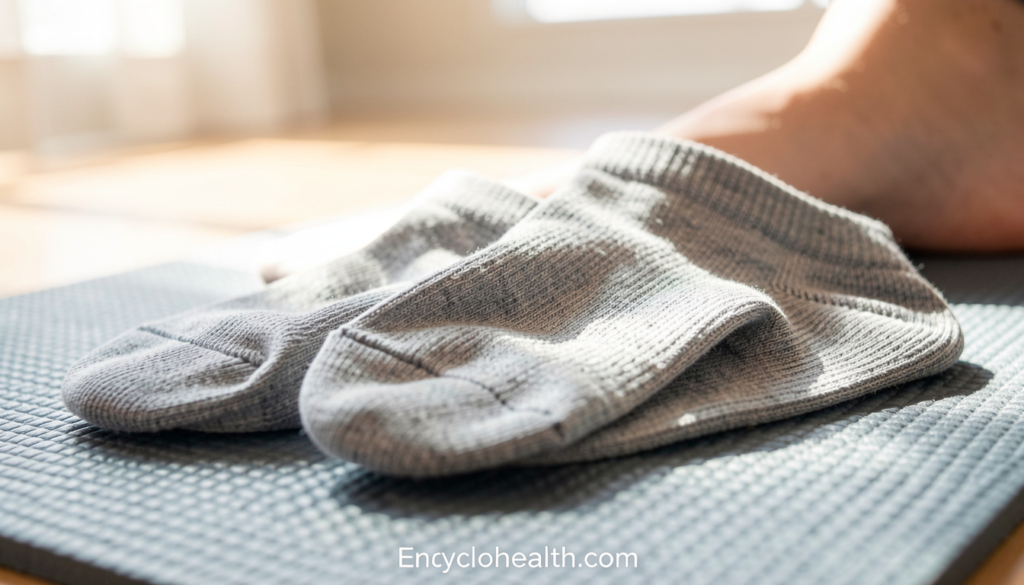
Pilates socks are specially designed socks with grip pads on the sole. They keep your feet stable on slippery studio equipment and floors. Whether you’re a total beginner or someone who’s been rolling out their mat for years, the right pair of pilates socks makes a real difference. They improve your form, protect your feet, and honestly just make the whole experience more comfortable.
In this guide, we’re covering everything — from why pilates socks matter, how to pick the right pair, the different styles available, and what to watch out for when shopping. By the end, you’ll know exactly what to look for.
Why Pilates Socks Actually Matter
A lot of people walk into their first pilates class without pilates socks and think nothing of it. Then they spend the whole class adjusting their footing, losing grip, or feeling unsteady. It’s distracting — and it can even lead to minor injuries if your foot slides at the wrong moment.
Pilates socks exist to solve that exact problem. The grip dots or patterns on the bottom create traction between your foot and the equipment surface. This gives you a much more secure base for every movement you make.
Beyond safety, there’s also hygiene. Studio equipment — reformer footbars, mat surfaces, Cadillac platforms — gets used by dozens of people every day. Pilates socks create a barrier between your skin and shared surfaces. That alone is reason enough for most people to invest in a good pair.
And here’s something I didn’t expect when I first started using them: pilates socks actually help you feel movements more intentionally. When your feet feel grounded and secure, you can focus on what your body is doing rather than worrying about slipping.
The Different Types of Pilates Socks
Not all pilates socks are the same. There are a few main styles, and understanding the differences helps you pick what works best for your practice.
Toeless Pilates Socks
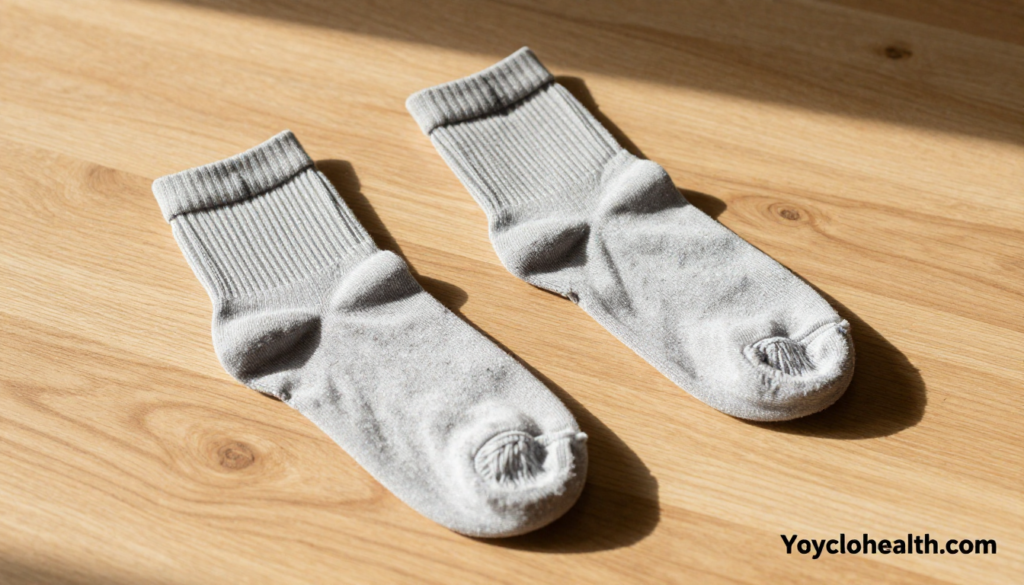
These are probably the most popular style in studios. Toeless pilates socks leave your toes exposed while the rest of your foot stays covered. This design gives you grip and coverage while still letting your toes spread naturally — which is actually important for balance and stability in pilates.
Many instructors prefer this style because it allows the foot to function more naturally during exercises. If your teacher ever talks about “spreading your toes” or “gripping with your toes,” toeless pilates socks let you do exactly that.
Full-Toe Pilates Socks
Full-toe pilates socks cover all your toes. They offer more warmth and protection, which some people prefer in colder studios. The tradeoff is slightly less tactile feedback through your toes.
These are a good choice if you’re someone who runs cold or if you’re using pilates socks on smooth wooden floors at home.
Half-Toe Pilates Socks
Half-toe pilates socks cover only the heel and the arch, leaving the front half of the foot exposed. They’re the most minimal option. Some people love the feeling of freedom they give. Others find them too minimal for proper coverage.
These work well if you prefer feeling close to barefoot but still want some grip and hygiene protection.
Ankle-Length vs. Crew-Length Pilates Socks
Most pilates socks come in ankle length since you don’t need extra fabric around your calves for this kind of workout. But crew-length pilates socks do exist and are popular with people who want added warmth during barre or mat sessions.
What to Look for When Buying Pilates Socks
Shopping for pilates socks can feel overwhelming when you see how many options are out there. Here’s what actually matters:
Grip Pattern and Quality
This is the most important feature. Look at the grip pattern on the sole. More coverage and denser grip dots mean better traction. Some pilates socks only have a few dots near the ball of the foot and heel — that’s usually enough for basic mat work. But if you’re doing reformer pilates or any equipment-based training, you want full-sole grip coverage.
The material of the grip matters too. Silicone grips tend to be more durable and effective than rubber ones. They wash better and maintain their stickiness after repeated washing.
Fabric and Breathability
Pilates socks need to feel comfortable for an hour or more of movement. Cotton blends are soft and breathable but can get a bit damp with sweat. Bamboo fabric pilates socks are increasingly popular because bamboo is naturally moisture-wicking and odor-resistant. Synthetic blends like nylon and spandex offer stretch and durability.
Avoid pilates socks that feel too thick or stiff. You want a fabric that moves with your foot, not against it.
Fit and Sizing
Pilates socks that are too loose will bunch up and slip, which defeats the whole purpose. Pilates socks that are too tight can feel restrictive and uncomfortable. Most brands offer sizing by shoe size, so use that as your guide.
Look for pilates socks with a snug heel cup and a gusset around the toe area. These design details help the sock stay in place during dynamic movements.
Compression
Some pilates socks include light compression. This can improve circulation during longer sessions and reduce foot fatigue. If you stand for long periods or have circulation concerns, compression pilates socks might be worth the slightly higher price.
The Real Benefits of Wearing Pilates Socks
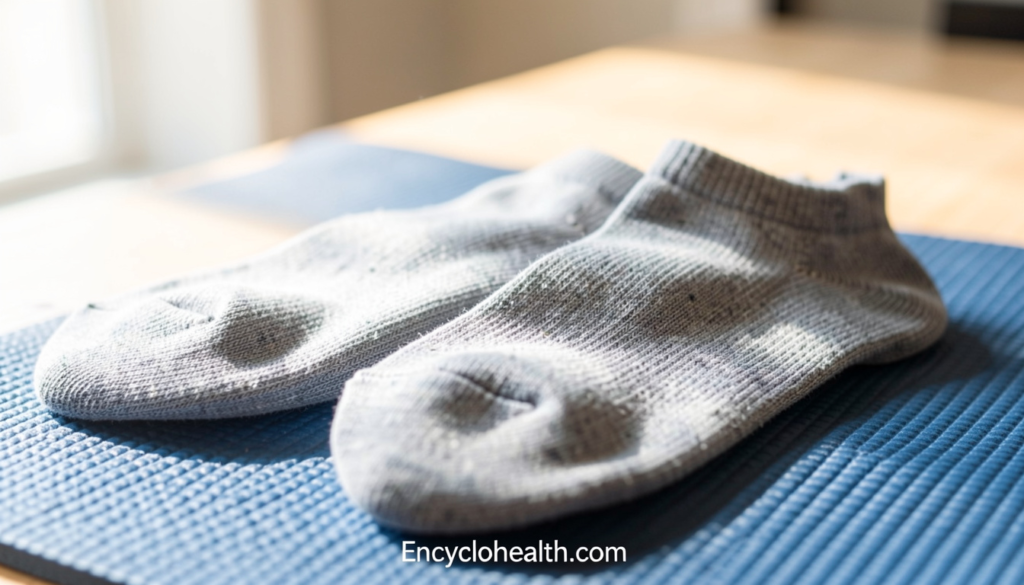
Let’s get specific about what pilates socks actually do for your practice.
Better stability and balance. The grip on the sole keeps your feet from sliding, which means your whole foundation is more stable. This lets you hold positions longer and move with more control.
Improved proprioception. Proprioception is your body’s awareness of its own position in space. Pilates socks, especially those with thinner soles, allow more sensory feedback from the floor or equipment surface. That feedback helps your nervous system understand where your feet are and how they’re positioned.
Hygiene and cleanliness. As mentioned earlier, studio surfaces see a lot of foot traffic. Wearing pilates socks keeps your feet protected from bacteria, fungi, and general grime. It also protects the equipment from skin oils and sweat.
Warmth during cool-down segments. Many pilates classes include a wind-down phase where you’re lying or sitting still. Your body temperature drops a little, and bare feet can get cold quickly. Pilates socks keep you comfortable throughout the full session.
Injury prevention. Slipping is a real injury risk in any movement practice. Pilates socks reduce that risk significantly, especially on reformer machines where your feet are often pushing against a smooth footbar.
How Pilates Socks Compare to Regular Socks
You might be wondering: can’t I just wear regular socks?
Technically, yes. But regular socks have no grip. They’re designed for shoes, not for grippy footwork on studio equipment. On a smooth reformer surface or a polished wood floor, regular socks are almost as slippery as bare feet — sometimes worse.
The grip feature is what makes pilates socks different. That one design element changes the entire experience. Regular socks also tend to be thicker and less flexible, which can interfere with foot movement in subtle ways.
Some yoga socks and barre socks are similar to pilates socks. In fact, many brands make crossover styles that work for all three. The main thing to check is that the grip covers the entire sole, not just a small area.
How to Care for Your Pilates Socks
Pilates socks are an investment. Taking care of them properly extends their life significantly.
Wash them inside out in cold water. This protects the grip pads from breaking down too quickly. Hot water loosens the adhesive properties of silicone and rubber grips over time.
Avoid the dryer when possible. Air drying keeps the grip intact and prevents shrinkage. If you do machine dry them, use the lowest heat setting.
Wash after every use. Pilates socks collect sweat and skin cells just like any athletic sock. Washing them after each class keeps them fresh and extends the life of the grip.
Don’t wear pilates socks outside. The grip pads wear down fast against rough sidewalk surfaces. Keep them for indoor studio or home use only.
Best Occasions to Wear Pilates Socks
Pilates socks aren’t just for pilates classes. Here’s where else they come in handy:
- Reformer pilates — Essential. The smooth surfaces on reformer machines make grip absolutely necessary.
- Mat pilates — Useful, especially on harder floors or shared mats.
- Barre classes — Barre socks and pilates socks are almost identical. Most styles work interchangeably.
- Yoga — Some yoga practitioners prefer pilates socks for added traction in hot yoga or on slippery mats.
- Home workouts — If you do any kind of floor exercise at home on hardwood or tile, pilates socks make movement much safer.
- Physical therapy — Many PT clinics actually recommend grip socks for patients doing rehab exercises on gym equipment.
Common Mistakes People Make With Pilates Socks
Even something as simple as pilates socks can go wrong. Here are a few things to avoid:
Buying based on looks alone. Cute designs are great, but if the grip is minimal or the fabric is poor quality, you’ll be disappointed. Always check the grip coverage and fabric composition before buying.
Sizing up “for comfort.” This is a common mistake. Loose pilates socks bunch under the foot and can actually cause instability. Stick to your actual size.
Not replacing them often enough. Grip pads wear out. If your pilates socks feel smooth on the bottom, it’s time for a new pair. Worn-out grip is practically useless.
Washing them on hot. This is the fastest way to ruin a pair. Always cold wash.
Sharing pilates socks. Just don’t. Beyond the hygiene concerns, fit matters for function. Borrow a pair in a pinch but invest in your own.
How Much Should You Spend on Pilates Socks?
Pilates socks range widely in price. You can find basic options for around $8–12 per pair. Mid-range pilates socks typically cost $15–25. Premium brands with better materials and longer-lasting grip can run $30 or more per pair.
For most people, the $15–25 range hits the sweet spot. You get decent quality fabric, solid grip, and they hold up well with proper care. If you’re going to class multiple times a week, consider buying two or three pairs so you always have a clean pair ready.
Spending more doesn’t always mean better quality. Read reviews specifically about grip durability and wash quality before committing to an expensive pair.
Conclusion
Pilates socks are one of those small investments that quietly improve your entire practice. They keep you grounded, protect your hygiene, help prevent injuries, and let you focus on the work rather than worrying about slipping. Whether you’re brand new to pilates or years into your practice, having the right pair of pilates socks makes every session feel more intentional and safe.
The key takeaways: look for full-sole grip coverage, choose a breathable fabric that fits your foot snugly, wash them cold after every use, and replace them when the grip wears out. Toeless styles are the most versatile for studio use, but pick whatever style fits your personal comfort and practice style.
Now I’d love to hear from you — do you already wear pilates socks, or have you been going barefoot this whole time? Drop a comment, share this with a pilates friend who needs to know, or save it for next time you’re shopping for studio gear.
FAQs About Pilates Socks
1. Are pilates socks necessary for reformer pilates? Most studios require them for hygiene reasons, and they’re practically essential for safety on smooth reformer surfaces. Yes, they’re necessary.
2. Can I use yoga socks instead of pilates socks? Many yoga and pilates socks are interchangeable. The key is making sure the grip covers the full sole, which some yoga socks don’t do.
3. How often should I replace my pilates socks? It depends on how often you use them, but most pilates socks last 6–12 months with proper care. Replace them when the grip feels smooth.
4. Can pilates socks be worn with shoes? They’re designed for barefoot wear inside. Wearing them with shoes isn’t harmful but wastes the grip and accelerates wear.
5. What’s the best fabric for pilates socks? Bamboo and nylon blends are top picks. Bamboo is moisture-wicking and odor-resistant. Nylon offers stretch and durability.
6. Do pilates socks help with balance? Yes. The grip creates a stable base which supports better balance and proprioceptive feedback during movement.
7. Are toeless pilates socks better than full-toe? For most pilates exercises, toeless styles are preferred because they allow natural toe spread and better tactile feedback.
8. Can kids wear pilates socks? Absolutely. Many brands make children’s sizes. They’re great for kids’ pilates or movement classes.
9. Do pilates socks stretch out over time? Good quality pilates socks hold their shape well. Cheap fabrics tend to stretch out and lose their fit faster.
10. Are non-slip socks the same as pilates socks? Non-slip socks are a broader category. Pilates socks are a specific type of non-slip sock designed for the range of motion and demands of pilates training.
Also Read: Active Building
| Author: Johan Harwen |
| E-mail: johanharwen314@gmail.com |
| Bio: Johan Harwen is a passionate tourist who has explored countless destinations across the globe. With an eye for hidden gems and local cultures, he turns every journey into an unforgettable story worth sharing. |