
Oak Street Health: Honest Pros, Cons, and What to Expect 2026
Introduction
Finding a doctor you actually trust is harder than it sounds. Most people on Medicare have dealt with rushed appointments, confusing paperwork, and the feeling that nobody really knows who they are. That frustration is exactly what Oak Street Health was built to solve.
Oak Street Health is a primary care provider that focuses exclusively on adults aged 65 and older who are enrolled in Medicare. The company operates a growing network of clinics designed to give seniors longer appointments, more attentive care, and a whole range of support services that traditional doctor offices rarely offer.
In this article, you will get an honest, thorough look at Oak Street Health. We will cover how it works, what patients say, what services you get, how it compares to traditional primary care, and what you need to know before you decide whether it is the right fit for you or a loved one.
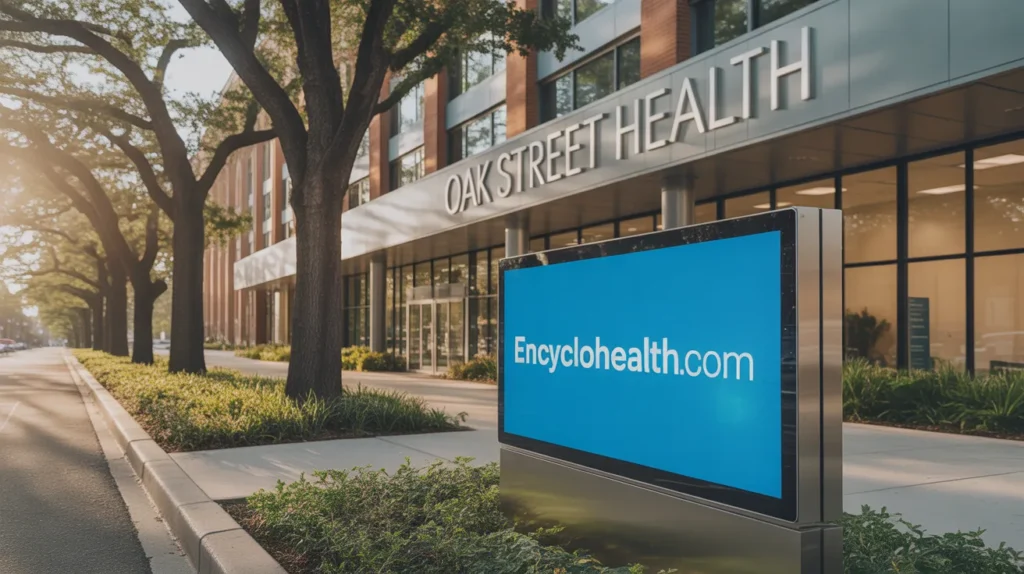
What Is Oak Street Health and How Did It Start?
Oak Street Health was founded in 2012 in Chicago, Illinois. The founders saw a gap in the healthcare market. Most primary care practices were not designed with Medicare patients in mind. Appointments were short. Preventive care was treated as secondary. And seniors were constantly bouncing between specialists without anyone coordinating their overall health.
The company built a model around value-based care. In simple terms, that means they get paid based on keeping patients healthy rather than on how many visits or procedures they bill for. That shift in incentives changes everything about how care is delivered.
By 2023, CVS Health acquired Oak Street Health in a deal worth approximately 10.6 billion dollars. That acquisition made headlines in the healthcare industry because it signaled a major push by a retail pharmacy giant into primary care for seniors. Today, Oak Street Health operates more than 160 clinic locations across more than 20 states.
Who Is Oak Street Health Designed For?
Oak Street Health serves Medicare beneficiaries. Specifically, it welcomes:
- Adults 65 and older with Original Medicare.
- Patients enrolled in Medicare Advantage plans.
- Seniors with complex or chronic health conditions.
- Those who want more time and attention from their primary care provider.
If you are under 65 or not on Medicare, Oak Street Health is not the right fit. Their entire care model is built around the specific health needs and financial realities of Medicare patients.
How Oak Street Health Works: The Care Model Explained
The Oak Street Health care model is built around a few core principles. Longer appointments. Smaller patient panels. Proactive outreach. And care teams rather than solo physicians. Each clinic has doctors, nurse practitioners, social workers, and care coordinators working together on your behalf.
When you become a patient, you get assigned to a care team that gets to know you over time. They track your medical history, your medications, your chronic conditions, and your personal health goals. That continuity is something most traditional practices struggle to deliver.
Oak Street Health also emphasizes preventive care. They reach out to remind you about screenings, vaccinations, and follow-up visits. They do not wait for you to get sick before paying attention. That proactive approach is one of the things patients consistently praise.
What to Expect During Your Appointment
One of the biggest differences between Oak Street Health and a standard primary care office is appointment length. Most traditional practices give you 15 to 20 minutes. Oak Street Health appointments are designed to be longer, giving you time to actually discuss your health concerns without feeling rushed.
The clinics are also designed to feel welcoming rather than clinical and cold. Many locations offer on-site community spaces where patients can attend health classes, social events, and educational programs. That sense of community is something you rarely find in a doctor’s office.
Services You Get at Oak Street Health
Oak Street Health offers a comprehensive range of primary care services. Here is what most patients can access:
- Primary care visits for routine checkups and illness treatment.
- Chronic disease management for conditions like diabetes, hypertension, and heart disease.
- Preventive care including screenings, vaccinations, and wellness exams.
- Mental health support and behavioral health services.
- Care coordination to manage referrals to specialists.
- Social support services including help with transportation and food access.
- Telehealth options for patients who cannot easily travel.
- Community programs including fitness classes and health education workshops.
That last point is worth pausing on. The community programs are not just a nice bonus. They are part of the clinical strategy. Research consistently shows that social isolation is a major health risk for seniors. By creating a space where patients connect with each other, Oak Street Health is actually addressing a health need that most medical practices ignore entirely.
How Much Does Oak Street Health Cost?
Cost is one of the first questions people ask about Oak Street Health, and the answer is simpler than you might expect. Oak Street Health accepts Medicare and many Medicare Advantage plans. For most patients, there is no additional out-of-pocket cost for primary care visits beyond what Medicare normally covers.
Some of the community programs and additional services may vary in availability depending on your specific plan. It is always worth calling your local Oak Street Health clinic to ask what your particular insurance covers before your first visit.
The value-based care model means that the company has a financial incentive to keep you healthy and out of the hospital. That alignment between their financial interests and your health outcomes is genuinely different from the traditional fee-for-service model, where providers earn more when you get sicker.
Oak Street Health and Medicare Advantage Plans
If you are enrolled in a Medicare Advantage plan, Oak Street Health may be an in-network primary care provider depending on your plan and location. Many Medicare Advantage plans actively encourage their members to use value-based providers like Oak Street Health because it tends to lower overall costs for everyone.
Before switching your primary care provider, check with both your Medicare Advantage plan and your nearest Oak Street Health location to confirm network status. This single step will save you from any billing surprises down the line.
What Real Patients Say About Oak Street Health
Patient reviews of Oak Street Health are generally strong. Across multiple review platforms, the most common themes in positive feedback include the warmth of the staff, the unhurried nature of appointments, and the feeling of being genuinely cared for as a whole person rather than just a Medicare number.
Many patients specifically mention that the care coordinators make a real difference. Having someone who tracks your health between visits, follows up on referrals, and helps you navigate confusing insurance questions is a service most seniors have never experienced before.
There are also consistent complaints to be aware of. Some patients report long wait times for new patient appointments, especially at busy clinic locations. Others mention that the experience can vary significantly from one location to another. The quality of any individual clinic depends heavily on the specific care team working there.
What Patients Love Most
- Longer appointments that give patients real time with their doctor.
- Friendly and attentive front desk and clinical staff.
- Proactive reminders for preventive care and follow-up visits.
- Help with navigating specialist referrals and hospital visits.
- The community events and social programs that reduce isolation.
What Patients Complain About
- Wait times to get an initial new patient appointment can be long.
- Quality can vary between different clinic locations.
- Some patients feel the model works better for those with complex needs than for healthy seniors.
- The CVS acquisition raised concerns among some patients about the direction of the company.
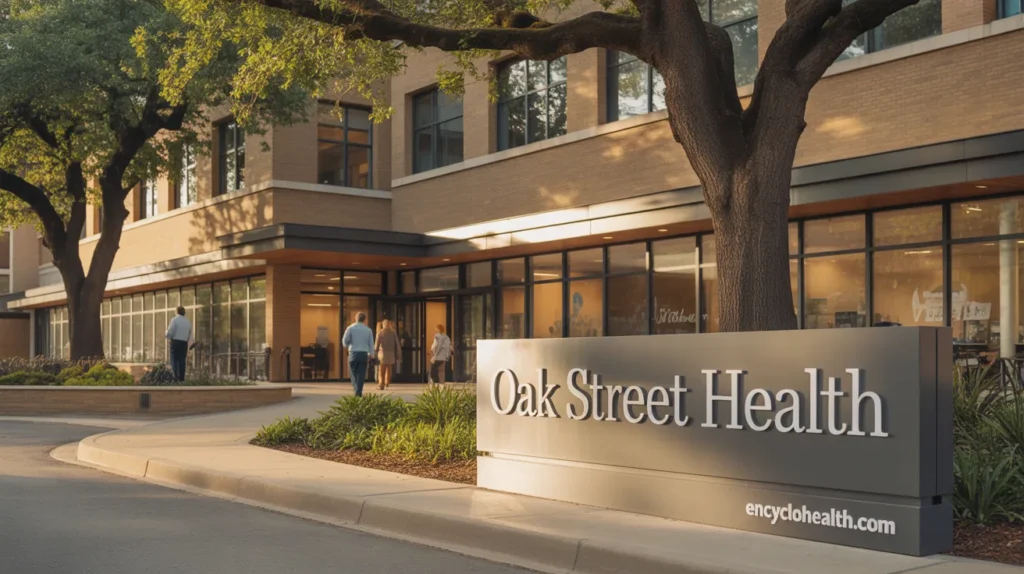
Oak Street Health vs Traditional Primary Care: How Do They Compare?
Let us be honest about the comparison. Traditional primary care is not bad by design. Many independent physicians provide excellent care. But the financial structure of fee-for-service medicine creates pressures that are hard to escape. Doctors need to see more patients to earn more revenue. That leads to shorter appointments and less time for prevention.
Oak Street Health flips that equation. Because the company operates on a value-based model, the financial incentive runs in the other direction. They do better financially when patients stay healthy and avoid unnecessary hospitalizations. That is a fundamentally different relationship between a healthcare provider and the people it serves.
Research on value-based care models like the one Oak Street Health uses shows promising results. Studies have linked this approach to lower hospitalization rates, better chronic disease management, and higher patient satisfaction scores compared to traditional fee-for-service care.
What the CVS Acquisition Means for Oak Street Health Patients
When CVS Health completed its acquisition of Oak Street Health in 2023, some patients had understandable concerns. Would the independent, patient-first culture survive inside a massive corporation? Would the focus on seniors stay strong, or would corporate priorities start to reshape the model?
So far, the evidence is mixed. CVS has stated publicly that it plans to accelerate Oak Street Health’s clinic expansion. More locations means more seniors can access the model. That is a genuine positive. On the other hand, large corporate ownership always brings the risk of prioritizing scale and efficiency over the personal touch that made the model work in the first place.
The honest advice here is to evaluate your local clinic on its own terms. Visit. Talk to the staff. Ask current patients about their experience. The corporate umbrella matters less than the specific people who will be taking care of you day to day.
Is Oak Street Health the Right Choice for You?
Oak Street Health is a strong option for Medicare patients who want more than a quick annual checkup. If you are managing multiple chronic conditions, if you have had frustrating experiences with rushed appointments, or if you simply want a medical team that knows your name and your history, it is worth exploring.
It may be less ideal for seniors who are already receiving excellent care from a primary care physician they love and trust. If you have a great relationship with your current doctor, the disruption of switching may not be worth it unless that doctor does not accept Medicare or is retiring.
Ask yourself these questions before making the switch:
- Do I feel rushed during my current doctor appointments?
- Does anyone actively coordinate my care between different specialists?
- Am I managing two or more chronic conditions?
- Would I benefit from social and community support programs?
- Is there an Oak Street Health clinic conveniently located near me?
If you answered yes to most of those questions, Oak Street Health is genuinely worth a call.
How to Get Started with Oak Street Health
Getting started is straightforward. Here is what the process typically looks like:
- Visit the Oak Street Health website or call your nearest clinic to check availability.
- Confirm that your Medicare or Medicare Advantage plan is accepted at that location.
- Schedule a new patient appointment. Bring your Medicare card and a list of current medications.
- At your first visit, you will meet your care team and complete a comprehensive health assessment.
- From there, your care team builds a personalized health plan based on your conditions and goals.
Final Thoughts: Is Oak Street Health Worth It?
Oak Street Health represents a genuine reimagining of primary care for seniors. The model is thoughtful, the intentions are clear, and many patients report that it genuinely changes how they feel about going to the doctor. Longer appointments, proactive outreach, care coordination, and community programs add up to something that most traditional practices cannot match.
That said, no healthcare provider is perfect for everyone. Quality varies by location. The CVS acquisition introduces corporate uncertainties. And for seniors who already have strong relationships with their doctors, the switch may not be necessary.
The bottom line is simple. If you are a Medicare patient who feels underserved by your current care, Oak Street Health is absolutely worth exploring. Visit a location near you, talk to the staff, and see how the experience feels in person. Your health deserves that kind of attention.
Have you or a family member used Oak Street Health? We would love to hear about your experience. Share your thoughts in the comments below, or send this article to someone who is trying to decide whether to make the switch.
FAQs: Oak Street Health
1. Does Oak Street Health accept Medicare?
Yes. Oak Street Health accepts both Original Medicare and many Medicare Advantage plans. It is designed specifically for Medicare beneficiaries aged 65 and older. Always confirm your specific plan is accepted at the location nearest to you before scheduling.
2. How is Oak Street Health different from a regular doctor?
Oak Street Health offers longer appointments, proactive preventive care, dedicated care coordinators, and community programs. The value-based payment model means their financial incentives align with keeping you healthy rather than seeing as many patients as possible.
3. Is Oak Street Health free for Medicare patients?
For most Medicare beneficiaries, primary care visits at Oak Street Health cost no more than what Medicare normally covers. You will not typically pay extra for the enhanced services. Check with your specific insurance plan for precise cost details.
4. Where is Oak Street Health located?
Oak Street Health operates more than 160 clinic locations across more than 20 states. Locations are concentrated in urban and suburban areas. Use the clinic locator on their official website to find the nearest location to you.
5. Who owns Oak Street Health now?
CVS Health acquired Oak Street Health in 2023 for approximately 10.6 billion dollars. The clinics continue to operate under the Oak Street Health name and brand identity as part of CVS Health’s broader healthcare strategy.
6. Can I keep my specialist doctors if I switch to Oak Street Health?
Yes. Oak Street Health serves as your primary care provider. You keep your existing specialist relationships. In fact, the care coordination team at Oak Street Health actively helps manage communication between your primary care team and your specialists.
7. Does Oak Street Health offer telehealth services?
Yes. Oak Street Health offers telehealth options for patients who have difficulty traveling to a clinic. Virtual visits are available for many types of appointments. Ask your care team which services are available via telehealth at your location.
8. How do I make an appointment at Oak Street Health?
You can schedule an appointment by visiting the Oak Street Health website or calling your local clinic directly. New patient appointments sometimes have a wait, so call as early as possible if you are planning to switch providers.
9. Does Oak Street Health help with transportation to appointments?
Many Oak Street Health clinics offer transportation assistance for patients who need help getting to appointments. This service varies by location. Contact your nearest clinic to ask what transportation support is available in your area.
10. Is Oak Street Health good for patients with chronic conditions?
Yes. The model is particularly well suited for seniors managing chronic conditions like diabetes, heart disease, COPD, or hypertension. The care team approach, proactive outreach, and care coordination make a meaningful difference for patients with complex ongoing health needs.
Also Read Encyclohealth.com
Email: johanharwen314@gmail.com
Author Name: Johan Harwen
About the Author: Johan Harwen is a health and wellness writer with a focus on senior care, Medicare, and patient advocacy. With more than ten years of experience translating complex healthcare topics into clear, accessible content, Johan helps readers make smarter, more confident decisions about their health.
Johan has a deep personal interest in how the American healthcare system serves older adults. He has spent years researching value-based care models, Medicare policy, and the real-world experiences of seniors navigating the healthcare system.
When he is not writing, Johan volunteers as a Medicare counseling advisor and spends entirely too much time reading healthcare policy briefs for fun. He believes that good health information should be free, clear, and written for real people, not just medical professionals.