Kill Tooth Pain Nerve in 3 Seconds Permanently: Fact vs. Fiction
Introduction
We have all been there. It is 2:00 AM, and suddenly, a sharp, electric shock shoots through your jaw. You cannot sleep, you cannot think, and you certainly cannot wait until morning. In that moment of desperation, you are likely searching for any way to kill tooth pain nerve in 3 seconds permanently. It is a heavy burden to carry when your own mouth feels like a construction zone. I have seen many people try everything from ice packs to old wives’ tales just to get a moment of peace.
This article is your comprehensive guide to understanding that agonizing sensation. We will explore why your nerves react the way they do and whether the “3-second” claim is actually possible. We’ll cover immediate numbing techniques, long-term dental procedures, and the natural remedies that actually have some science behind them. By the end of this read, you will know exactly how to handle a dental emergency and what steps to take to ensure the pain never returns. Let’s dive into how you can manage your discomfort and find a real, lasting solution.
The Reality of the “3 Second” Claim
When you search for how to kill tooth pain nerve in 3 seconds permanently, you are looking for a miracle. I totally understand that feeling. However, we have to be honest about the biology of your mouth. A nerve is a complex living tissue protected by layers of enamel and dentin.1
To “kill” it permanently in three seconds at home is, unfortunately, a bit of a myth. What people usually mean is “numbing” the nerve or “stopping the signal” instantly. There are ways to achieve a temporary “kill” feeling almost instantly. However, for a permanent fix, the physical nerve tissue must be professionally addressed.
Why We Want Instant Results
The trigeminal nerve, which services your teeth, is incredibly sensitive. It sends high-priority signals directly to your brain. This is why tooth pain feels more “urgent” than a scraped knee. Your body is screaming at you to fix a potential infection.
Numbing vs. Killing
There is a massive difference between numbing a sensation and killing the nerve. Numbing is like turning off a light switch; the bulb is still there. Killing the nerve is like removing the bulb entirely. Only a dentist can safely remove the “bulb” (the nerve) through a root canal or extraction.2
Instant Relief: Numbing the Nerve Safely
If you are looking to kill tooth pain nerve in 3 seconds permanently—or at least stop the throb right now—topical agents are your best bet. These don’t cure the problem, but they provide that “3-second” relief you are craving.
Benzocaine and Oral Anesthetics
Products like Orajel or Anbesol contain Benzocaine.3 This chemical blocks the sodium channels in your nerve endings. When applied directly to the site, it can effectively “kill” the pain signal in seconds. It is a lifesaver when you need to get through a meeting or a few hours of sleep.
The Power of Clove Oil (Eugenol)
I often recommend clove oil to friends as a natural alternative to chemicals. Clove oil contains a compound called eugenol.4 Eugenol is a natural anesthetic and antiseptic.5 When you put it on a cotton ball and press it against the tooth, it works almost as fast as a pharmaceutical gel. It provides that localized “deadening” sensation that feels like the nerve has been silenced.+1
Can You “Kill” a Nerve at Home?
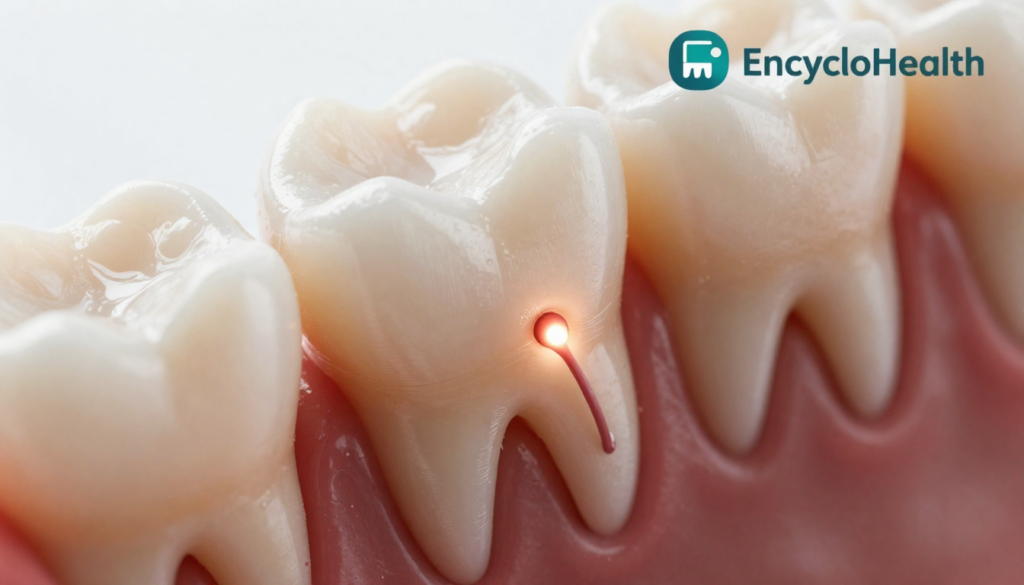
I must be very clear here: you should never attempt to physically destroy a tooth nerve yourself. Some internet forums suggest using bleach, high-proof alcohol, or even sharp tools. Please, do not do this. Attempting to kill tooth pain nerve in 3 seconds permanently using DIY “surgery” will lead to a massive infection or even jaw bone loss.
The Risks of DIY Methods
- Chemical Burns: Placing harsh chemicals on your gums can destroy healthy tissue.
- Sepsis: An untreated infection can enter your bloodstream.6
- Increased Pain: Damaging the nerve without removing it can make the pain ten times worse.
When “Home Remedies” Are Appropriate
Home remedies are for management, not for a permanent cure. They buy you time. If your goal is to kill tooth pain nerve in 3 seconds permanently, use home methods to stay comfortable until you reach a clinic. Think of it as a bridge to professional help.
Professional Procedures: The Only Permanent Fix
If you want to truly kill tooth pain nerve in 3 seconds permanently, you have to look at what happens in a dental chair. While the procedure takes longer than three seconds, the actual “killing” of the nerve is instantaneous once the dentist intervenes.
The Root Canal Process
A root canal is the most common way to save a tooth while removing the pain. The dentist numbs the area, removes the infected pulp (the nerve), and seals it. Once that nerve is gone, that specific tooth can never feel pain again. It is the gold standard for a permanent solution.
Tooth Extraction
Sometimes, the tooth is too far gone. In this case, removing the entire tooth is the only way to kill tooth pain nerve in 3 seconds permanently. Once the tooth is pulled, the source of the agony is physically gone from your body. We usually prefer to save the tooth, but extraction is a definitive end to the suffering.
Why Does My Tooth Hurt This Much?
To understand how to kill tooth pain nerve in 3 seconds permanently, you need to know what the nerve is reacting to. Most dental pain comes from one of three sources:
- Pulpitis: Inflammation of the inner pulp.7 This can be “reversible” or “irreversible.”
- Abscess: A pocket of pus caused by a bacterial infection.8 This is a medical emergency.
- Exposed Roots: If your gums recede, the nerve is more exposed to cold and heat.
Understanding the Pain Signal
Your nerve lives in a hard, non-expanding chamber. When it gets inflamed, it has nowhere to go. This creates intense pressure. That pressure is what makes you want to kill tooth pain nerve in 3 seconds permanently. The “throbbing” you feel is actually your heartbeat pumping blood into an inflamed, cramped space.
Science-Backed Home Management
While we wait for the dentist, we can use science to dampen the fire. You might not kill tooth pain nerve in 3 seconds permanently at home, but you can certainly make it manageable.
The Ice Trick
Applying ice to the cheek can constrict blood vessels. This reduces the pressure on the nerve. Some studies also suggest “Vagus Nerve” stimulation—rubbing ice in the webbing between your thumb and index finger.9 It sounds strange, but it can actually distract the brain from the tooth pain!
Saltwater Rinses
Saltwater is a natural disinfectant.10 It helps draw out fluid from the inflamed area. It won’t kill tooth pain nerve in 3 seconds permanently, but it can reduce the swelling that causes the pain. Use warm water and about half a teaspoon of salt.
Hydrogen Peroxide
A 3% hydrogen peroxide mix can help kill bacteria. If your pain is caused by a minor infection or gum irritation, this can provide significant relief. Just make sure to dilute it with equal parts water and never swallow it.
Medications That Help
When you are trying to kill tooth pain nerve in 3 seconds permanently, you might reach for the medicine cabinet. Over-the-counter (OTC) meds are essential for dental emergencies.
| Medication | Best For | Why it Works |
| Ibuprofen (Advil) | Swelling and Throb | It is an anti-inflammatory (NSAID). |
| Acetaminophen (Tylenol) | General Pain | It changes how your brain perceives the pain. |
| Combined Therapy | Severe Pain | Taking both (if safe for you) can be as effective as opioids. |
The “Dual-Action” Approach

I have found that alternating Ibuprofen and Acetaminophen every few hours provides the most consistent relief. This helps keep the “pain floor” low while you wait for a permanent fix. Always consult a professional before mixing medications, of course.
Identifying a Dental Emergency
Is your quest to kill tooth pain nerve in 3 seconds permanently a matter of life and death? Sometimes, it actually is. If you have a fever, a swollen jaw, or difficulty breathing, you have an abscess.
Don’t Wait
An abscess is an infection that can spread to your brain or heart.11 If you see a “pimple” on your gums, that is a sign of a localized infection. You cannot kill tooth pain nerve in 3 seconds permanently at home if there is an abscess; you need antibiotics and professional drainage.
Natural Alternatives and Myths
There are many myths about how to kill tooth pain nerve in 3 seconds permanently. Let’s look at a few common ones and see if they hold up to the “human test.”
- Garlic: Garlic contains allicin, which is a potent antibacterial.12 Crushing a clove and placing it on the tooth can help, but it will sting!
- Peppermint Tea: The menthol in peppermint has mild numbing properties.13 It’s a gentle way to soothe the area.
- Whiskey/Alcohol: While it might numb the area temporarily, it is not a safe or effective way to kill tooth pain nerve in 3 seconds permanently. It can actually irritate the gums further.
Long-Term Prevention
The best way to kill tooth pain nerve in 3 seconds permanently is to make sure the nerve never gets irritated in the first place. This comes down to the boring (but effective) stuff we hear at the dentist.
- Brush twice a day with fluoride toothpaste.
- Floss daily to remove the bacteria between teeth where cavities start.
- Reduce sugar intake to stop feeding the bacteria that create acid.
Regular Checkups
I know, nobody loves going to the dentist. But catching a small cavity now prevents the need to kill tooth pain nerve in 3 seconds permanently later. A simple filling takes 20 minutes; a root canal takes much longer.
Can Stress Affect Tooth Pain?
It might surprise you, but your mental state can influence how you feel pain. When you are stressed, your body’s “pain gates” are wide open. You might be searching for how to kill tooth pain nerve in 3 seconds permanently because your stress is amplifying a minor ache.
The Grinding Factor
Stress often leads to bruxism (teeth grinding).14 Grinding puts immense pressure on the nerves. If you wake up with a dull ache, you might need a night guard rather than a way to “kill” the nerve.
The Cost of Waiting
If you try to kill tooth pain nerve in 3 seconds permanently using only home hacks, you might be delaying necessary treatment. A small infection can turn into a lost tooth or a hospital visit.
Financial Impact
A filling is cheap. A root canal is moderate. An implant to replace a lost tooth is very expensive. By addressing the need to kill tooth pain nerve in 3 seconds permanently with a professional early on, you actually save thousands of dollars in the long run.
Summary of Instant Actions
If you are in pain right now and need to kill tooth pain nerve in 3 seconds permanently (or as close as possible), follow these steps:
- Step 1: Rinse your mouth with warm saltwater.
- Step 2: Apply Clove Oil or Benzocaine directly to the tooth.
- Step 3: Take an anti-inflammatory like Ibuprofen.
- Step 4: Use a cold compress on the outside of your cheek.
- Step 5: Call an emergency dentist immediately.
Conclusion
We’ve covered a lot of ground today. While the idea of being able to kill tooth pain nerve in 3 seconds permanently at home is largely a dream born of desperation, the relief you can get through proper numbing and professional care is very real. Remember, you don’t have to suffer in silence. Numbing agents can give you that instant “kill” sensation for a short time, but only a dentist can ensure the pain is gone for good.
I hope this guide has given you some peace of mind and a clear path forward. Tooth pain is one of the most taxing experiences a person can go through, but with the right knowledge, you can take control of it. Have you ever tried clove oil, or do you have another secret remedy that worked for you?
FAQs

1. Does putting aspirin on the tooth work?
No! Never put an aspirin tablet directly on your tooth or gums. It is an acid and will cause a severe chemical burn on your soft tissues. Always swallow aspirin with water as directed.
2. Can a tooth nerve heal itself?
If the inflammation is “reversible,” yes. If the nerve has started to die (irreversible pulpitis), it cannot heal itself and will eventually require a root canal or extraction.15
3. How do I know if the nerve is dead?
Often, a dead nerve will stop hurting temporarily, but the tooth may turn dark or gray. Eventually, an infection will form at the root, causing the pain to return even worse than before.
4. Is a root canal painful?
With modern anesthesia, a root canal is no more painful than getting a filling. The “pain” people associate with root canals is actually the pain of the infection before the procedure.
5. Can I use vanilla extract for tooth pain?
Vanilla extract contains a small amount of alcohol, which can provide very mild, temporary numbing.16 However, it is much less effective than clove oil or Benzocaine.
6. Why does my tooth hurt more at night?
When you lie down, blood pressure to the head increases. This puts more pressure on the sensitive nerve in your tooth, making the throb feel much more intense.
7. How long does clove oil last?
Clove oil typically provides numbing for about 30 minutes to an hour. You can reapply it, but be careful not to irritate your gums.
Also Read : Semicolon Tattoo