Beverage Fridge: The Ultimate Guide to Perfect Cooling
Introduction
There’s nothing quite like reaching for an ice-cold drink on a hot day. But how many times have you opened your main refrigerator only to find your favorite beverage buried behind leftovers and condiments? That’s where a beverage fridge changes everything.
A beverage fridge is a specialized cooling appliance designed specifically for storing drinks. Unlike your main refrigerator, it’s dedicated entirely to keeping your beverages at the perfect temperature. Whether you’re a soda enthusiast, wine collector, or someone who loves having cold water on hand, a beverage fridge offers convenience and organization.
These appliances have become increasingly popular in homes, offices, and entertainment spaces. They come in various sizes and styles to fit different needs and budgets. Some are compact enough to fit under a counter, while others can hold hundreds of cans and bottles.
In this comprehensive guide, you’ll learn everything about beverage fridges. We’ll cover the different types available, key features to consider, and how to choose the right one for your space. You’ll also discover tips for maintenance, energy efficiency, and getting the most value from your investment.
What Is a Beverage Fridge
A beverage fridge is a cooling appliance designed exclusively for storing drinks. It differs from a standard refrigerator in several important ways. The temperature range is optimized for beverages rather than food storage.
Most beverage fridges maintain temperatures between 34°F and 50°F. This range is perfect for sodas, beers, wines, and other drinks. Some models offer dual zones with different temperature settings for various beverage types.
The interior layout focuses on drink storage. You’ll find specialized racks, shelves, and holders designed for cans and bottles. Many models feature adjustable shelving to accommodate different container sizes.
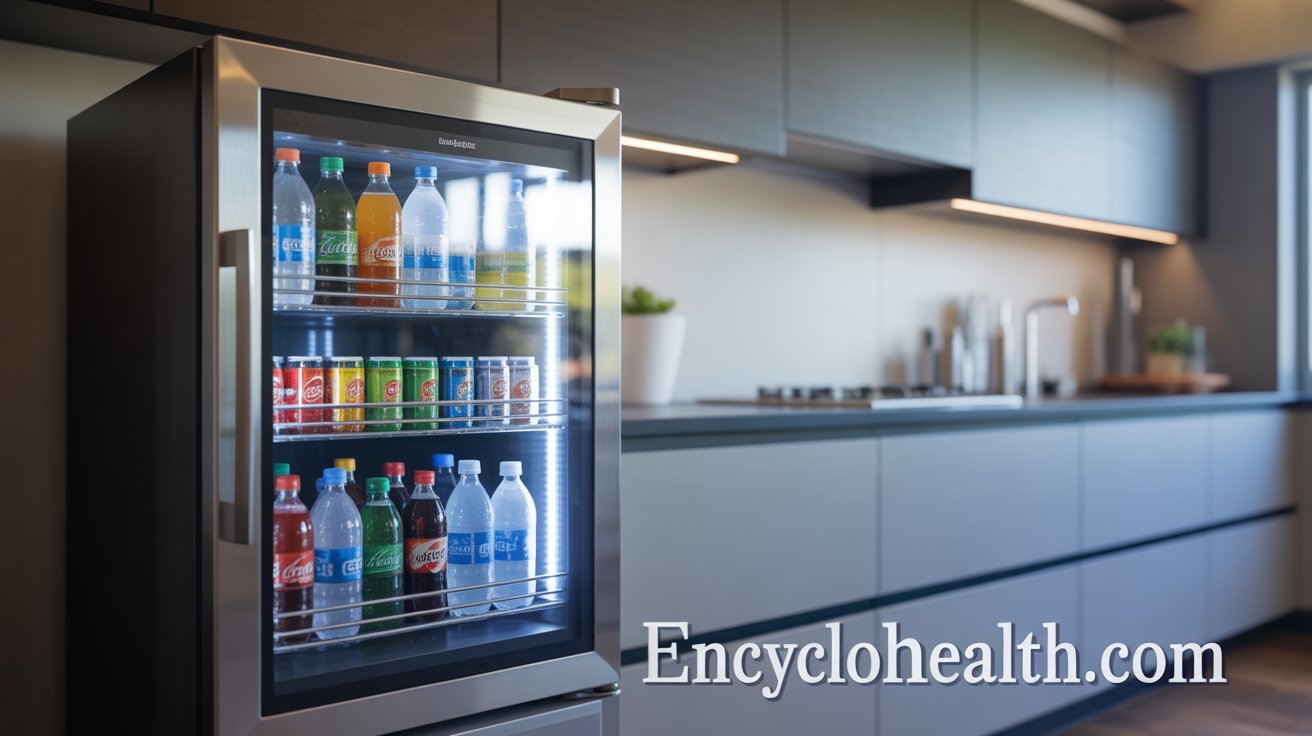
Glass doors are common on beverage fridges. This allows you to see what’s inside without opening the door. Some models include LED lighting to showcase your drink collection beautifully.
Beverage fridges are generally more compact than full-size refrigerators. They’re designed to fit in spaces where a regular fridge wouldn’t work. This makes them ideal for home bars, offices, garages, and entertainment rooms.
Types of Beverage Fridges
Understanding the different types helps you choose the right beverage fridge for your needs.
Freestanding Beverage Fridges
Freestanding models are the most versatile option. You can place them anywhere with access to an electrical outlet. They don’t require installation or built-in space.
These fridges typically have finished sides and backs. This means they look good from any angle. You can move them easily if you rearrange your space.
Freestanding beverage fridges come in various sizes. Small ones hold 60 to 120 cans. Larger models can store 200 or more. They’re perfect for basements, garages, or anywhere you need flexible placement.
The main advantage is portability. If you move homes or want to relocate the fridge, you simply unplug and move it. No deinstallation required.
Built-In Beverage Fridges
Built-in models integrate seamlessly into cabinetry. They’re designed to fit under counters or into custom spaces. The ventilation system allows for flush installation.
These fridges typically have front ventilation. This means they expel heat through the front rather than the back or sides. You can install them between cabinets without worrying about airflow.
Built-in beverage fridges create a sleek, professional look. They’re popular in custom kitchens, home bars, and entertainment areas. The seamless integration adds value to your space.
The downside is reduced flexibility. Once installed, they’re not easy to move. You’ll also pay more for built-in models compared to freestanding ones with similar capacity.
Countertop Beverage Fridges
Countertop models are compact units perfect for small spaces. They sit on your counter like a microwave. These are ideal for offices, dorm rooms, or small apartments.
Capacity is limited, usually 20 to 60 cans. But they’re incredibly convenient for personal use. You can keep your most-used drinks within arm’s reach.
Countertop beverage fridges require minimal space. They’re also more affordable than larger models. Many people use them as secondary cooling for frequently accessed drinks.
The small size means they cool quickly and use less energy. They’re also quiet, making them suitable for bedrooms or home offices.
Wine and Beverage Centers
These dual-purpose units store both wine and other beverages. They typically feature dual temperature zones. One zone maintains wine storage temperatures while the other keeps sodas and beers cold.
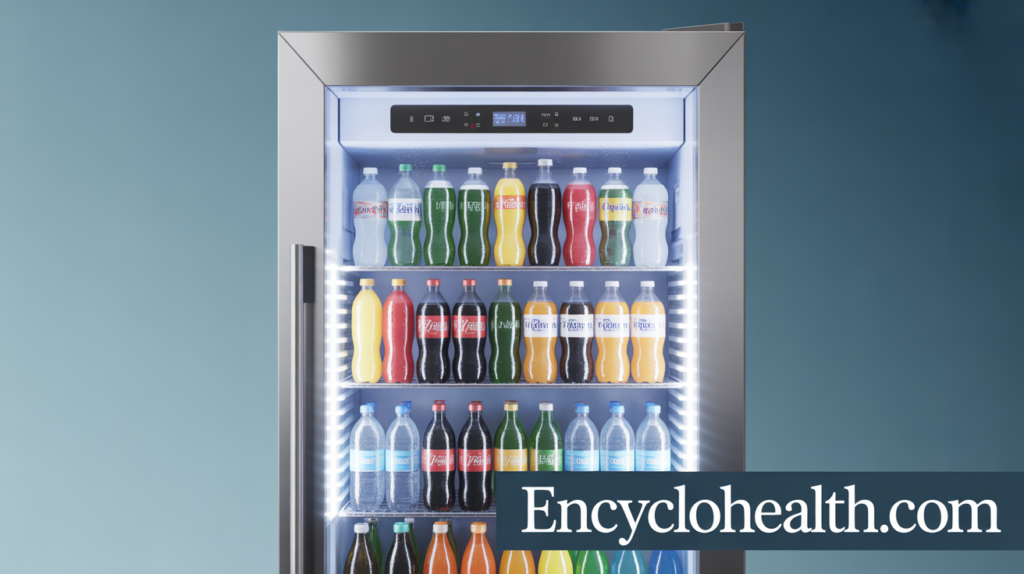
Wine and beverage centers are perfect if you enjoy multiple drink types. You don’t need separate appliances for wine and other beverages. This saves space and money.
These models often include specialized wine racks. The racks hold bottles horizontally to keep corks moist. The beverage section has standard shelving for cans and bottles.
Prices are higher for dual-zone models. But the versatility makes them worthwhile if you regularly stock both wine and other drinks.
Key Features to Consider
When shopping for a beverage fridge, certain features significantly impact functionality and satisfaction.
Temperature Control
Precise temperature control is essential. Look for models with digital thermostats. These allow you to set exact temperatures rather than using vague “cold” to “coldest” dials.
Some beverages taste best at specific temperatures. Beer is typically best between 38°F and 45°F. Wine varies by type, from 45°F for whites to 65°F for full-bodied reds. Having control lets you optimize for your preferences.
Dual-zone models offer even more flexibility. You can store different beverage types at their ideal temperatures. This is particularly valuable if you enjoy both wine and beer.
Check if the temperature display is internal or external. External displays let you monitor temperature without opening the door.
Capacity and Size
Capacity is measured in can or bottle count. A 120-can capacity is common for medium-sized models. Larger units can hold 200 or more cans.
Consider your actual needs before choosing capacity. Buying too large wastes energy and space. Too small means frequent restocking and potential overflow.
Measure your available space carefully. Note the height, width, and depth. Don’t forget to account for door clearance when open.
Some beverage fridges have adjustable shelving. This flexibility allows you to store different container sizes. You might fit fewer items when storing large bottles, but the adaptability is valuable.
Door Style
Glass doors are popular for beverage fridges. They let you see contents without opening the door. This reduces temperature fluctuations and energy use.
Some glass doors have UV protection. This prevents light from affecting beverages, particularly important for beer and wine. Tinted glass adds a sophisticated look while protecting contents.
Solid doors offer better insulation. They maintain temperature more efficiently. However, you lose the visibility that makes glass doors so convenient.
Reversible doors add installation flexibility. You can change the swing direction to fit your space better. Check if this feature is important for your layout.
Lighting
LED lighting is standard in modern beverage fridges. It illuminates the interior beautifully while using minimal energy. LEDs also generate very little heat.
Interior lighting serves both practical and aesthetic purposes. It helps you find drinks quickly. It also showcases your beverage collection attractively.
Some models offer color-changing lights. You can customize the ambiance to match your space. Others have motion-activated lighting that turns on when you approach.
Lighting that’s too bright can be harsh. Look for models with adjustable brightness if this concerns you.
Shelving Options
Adjustable shelves provide maximum flexibility. You can reconfigure the interior to accommodate different container sizes. This is essential if you stock various beverage types.
Wire shelves are most common. They allow air circulation for even cooling. They’re also easy to clean and durable.
Some models include slide-out shelves. These make accessing items in the back much easier. You don’t have to remove front items to reach what’s behind them.
Look for shelves with spill-proof edges. These prevent condensation from dripping onto lower shelves. Some have special coatings that resist staining.
Noise Level
Noise matters, especially if your beverage fridge is in a living space. Compressor-based models generate some sound. The noise level varies significantly between models.
Check the decibel rating if available. Anything under 40 dB is considered quiet. For comparison, a whisper is about 30 dB, and normal conversation is around 60 dB.
Thermoelectric beverage fridges are quieter than compressor models. However, they’re less powerful and work better in moderate ambient temperatures.
Consider where you’ll place the fridge. A noisy unit in a garage is fine. The same model in a bedroom or home office would be disruptive.
Energy Efficiency
Energy efficiency affects operating costs over time. Look for Energy Star certified models. These use less electricity than standard units.
Beverage fridges run continuously, so efficiency matters. An inefficient model can add $50 to $100 to your annual electricity bill. Efficient ones might cost only $20 to $40 per year.
Factors affecting efficiency include insulation quality, door seal integrity, and compressor technology. Better-insulated models maintain temperature with less energy.
Glass doors are generally less efficient than solid doors. The visual appeal comes with a small energy cost. Dual-pane or triple-pane glass improves efficiency.
Best Locations for Your Beverage Fridge
Placement significantly impacts convenience and performance.
Home Bar or Entertainment Room
This is the most popular location for beverage fridges. Having cold drinks readily available enhances entertaining. Guests can help themselves without invading your kitchen.
A beverage fridge in your entertainment space reduces trips to the main kitchen. During movie nights or game days, everything you need is within reach.
Consider models with glass doors for these locations. The visibility adds to the bar-like atmosphere. LED lighting creates an inviting ambiance.
Ensure adequate ventilation if installing in a cabinet. Built-in models work well in custom bar setups.
Kitchen
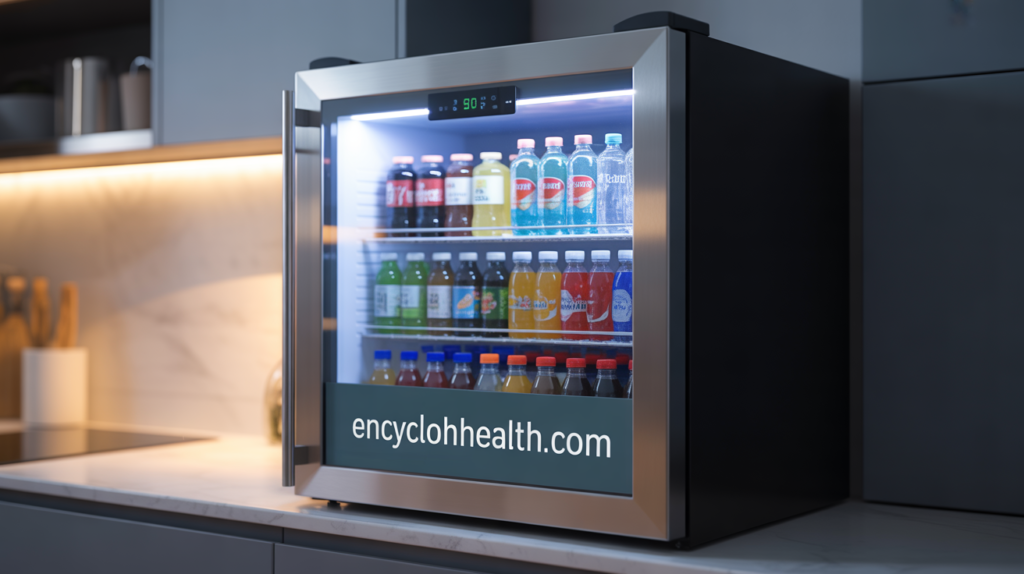
A kitchen beverage fridge provides overflow capacity. It’s perfect for households that run out of cold drink space in the main refrigerator.
Families with children particularly benefit. Kids can access drinks without opening the main fridge repeatedly. This reduces energy waste and prevents warm air from entering your food storage.
Under-counter models work beautifully in kitchens. They utilize space that might otherwise go unused. The counter remains functional while storage increases below.
Having a separate beverage fridge also improves organization. Drinks stay separate from food, making both easier to find.
Garage or Basement
Garages and basements are practical locations for larger beverage fridges. These spaces often have room for freestanding models. They’re convenient for parties and gatherings.
Garage beverage fridges are popular in warmer climates. People spend time working in garages and appreciate having cold drinks nearby. It’s also convenient for yard work and outdoor activities.
Be aware that extreme temperatures affect performance. Very hot or cold garages can strain the compressor. Check the manufacturer’s operating temperature range.
Humidity in basements can affect exterior finishes. Stainless steel models may develop water spots. Regular wiping prevents buildup.
Office or Workspace
Office beverage fridges boost morale and convenience. Employees appreciate having cold drinks without leaving the building. It’s a simple perk that enhances the work environment.
Small to medium capacity models work well in offices. They provide enough for staff without taking excessive space. Countertop models fit easily in break rooms.
Glass-door models encourage people to see what’s available. This reduces unnecessary door opening. It also makes inventory management easier.
Consider noise levels carefully for office settings. Quiet operation matters more in professional environments than in homes.
Outdoor Kitchen or Patio
Outdoor beverage fridges are specially built to withstand weather. They feature weatherproof materials and sealed components. These are different from standard indoor models.
Having a beverage fridge outdoors eliminates trips inside during barbecues and pool parties. Guests stay comfortable and engaged. The host doesn’t constantly interrupt activities to fetch drinks.
Outdoor models cost more due to specialized construction. They’re worth the investment if you entertain outside frequently. The convenience factor is significant.
Ensure proper covering or protection during harsh weather. Even weatherproof models benefit from some protection. This extends their lifespan.
Installation and Setup Tips
Proper installation ensures optimal performance and longevity.
Ventilation Requirements
All refrigeration appliances need adequate ventilation. Heat removal is essential for efficient operation. Poor ventilation causes the compressor to work harder.
Freestanding models typically require several inches of clearance on all sides. Check the manufacturer’s specifications. Usually, you need 2 to 4 inches on the sides and back.
Built-in models have front ventilation. They’re designed for enclosed spaces. But you still need to follow installation guidelines precisely.
Never block ventilation openings. This leads to overheating and potential failure. It also significantly reduces efficiency.
Leveling the Unit
Your beverage fridge must sit level. This ensures proper door closure and optimal cooling performance. Uneven placement can cause door seal problems.
Most models have adjustable legs. Use a level to check both side-to-side and front-to-back. Adjust legs as needed until perfectly level.
A slight forward tilt is actually beneficial. About 1/4 inch helps doors close automatically due to gravity. But don’t overdo it.
Check the level again after the first few weeks. Floors settle, and initial adjustments may shift slightly.
Initial Cooling Period
Allow your new beverage fridge to cool completely before loading it. This usually takes 2 to 4 hours. Rushing this step stresses the compressor.
Set the desired temperature when you first plug in. Don’t load warm beverages immediately. Let the interior reach temperature first.
Once cooled, load gradually if possible. Adding room-temperature drinks all at once raises the internal temperature significantly. The compressor must work hard to recover.
For best results, pre-chill beverages in your main refrigerator first. Then transfer them to the beverage fridge. This minimizes the cooling burden.
Door Seal Maintenance
The door seal (gasket) is critical for efficiency. It prevents cold air from escaping. A damaged seal increases energy use dramatically.
Inspect the seal regularly for cracks, tears, or looseness. Clean it monthly with mild soap and water. Dirt and residue prevent proper sealing.

Test the seal by closing the door on a dollar bill. If you can pull the bill out easily, the seal isn’t tight enough. This indicates needed adjustment or replacement.
Replace worn seals promptly. Most are available through the manufacturer. Installation is usually straightforward with basic tools.
Maintenance and Care
Regular maintenance keeps your beverage fridge running efficiently for years.
Cleaning the Interior
Clean the interior every few months. Remove all contents first. Use a solution of mild dish soap and warm water.
Avoid harsh chemicals or abrasive cleaners. These can damage surfaces and leave odors. Baking soda mixed with water is an excellent natural cleaner.
Pay attention to corners and crevices where spills accumulate. Remove shelves for thorough cleaning. Most shelves are dishwasher safe for easy maintenance.
Dry everything completely before returning shelves and reloading. Moisture can cause odors and mildew.
Exterior Cleaning
Clean the exterior regularly to maintain appearance. Stainless steel models need special stainless steel cleaner. This prevents streaks and maintains shine.
Glass doors should be cleaned with glass cleaner. Do this weekly if you handle the door frequently. Fingerprints and smudges accumulate quickly.
Don’t forget the top and sides. Dust buildup affects appearance. It can also restrict ventilation if it accumulates near vents.
Use a soft cloth to avoid scratching surfaces. Microfiber cloths work excellently for all beverage fridge surfaces.
Condenser Coil Cleaning
The condenser coils dissipate heat from the cooling process. Dirty coils reduce efficiency significantly. They make the compressor work harder.
Locate the coils based on your model. They’re usually on the back or underneath. Check your manual for specific location.
Use a coil brush or vacuum with a brush attachment. Clean the coils every 6 months. If you have pets or a dusty environment, do it more frequently.
Unplug the unit before cleaning coils. This is a safety precaution. It also prevents accidentally damaging electrical components.
Temperature Monitoring
Check the temperature regularly to ensure proper operation. Use a separate thermometer for accuracy. Built-in displays can occasionally malfunction.
Most beverages stay freshest between 35°F and 40°F. Wine requires different temperatures depending on type. Adjust settings seasonally if needed.
If temperature fluctuates significantly, investigate the cause. It could indicate a failing compressor or door seal issue. Early detection prevents food spoilage and costly repairs.
Keep the fridge reasonably full. A well-stocked fridge maintains temperature better than an empty one. But avoid overpacking, which restricts airflow.
Common Problems and Solutions
Understanding typical issues helps you troubleshoot effectively.
Fridge Not Cooling Properly
First, check the thermostat setting. Someone might have accidentally adjusted it. Ensure it’s set to the desired temperature.
Verify the power supply. Check that the unit is plugged in securely. Test the outlet with another device to confirm it’s working.
Inspect the door seal for gaps. A faulty seal allows cold air to escape. This prevents the fridge from maintaining temperature.
If these aren’t the issue, the compressor might be failing. This requires professional repair. Don’t attempt compressor work yourself.
Excessive Frost Buildup
Some frost is normal, but excessive buildup indicates problems. Often, this results from humid air entering the unit.
Check the door seal again. Gaps allow humid air inside. This moisture freezes on cold surfaces.
Opening the door frequently also introduces moisture. Try to minimize door opening, especially in humid weather.
If frost continues accumulating, the defrost system might be malfunctioning. Some models require manual defrosting periodically. Others have automatic systems that can fail.
Unusual Noises
Refrigerators make some noise during normal operation. But unusual sounds deserve attention. Clicking, buzzing, or rattling can indicate issues.
Ensure the unit is level. An unlevel fridge can cause rattling. Adjust the legs to eliminate vibration.
Check if anything is touching the compressor or fan. Items stored on top can vibrate and create noise. Remove anything resting against the unit.
If noise persists, the compressor or fan motor might be failing. Professional diagnosis is recommended. These components are complex to repair.
Water Leaking
Water leaking inside or outside the fridge needs immediate attention. Check the drain hole first. This small opening allows condensation to drain.
If the drain hole is clogged, water backs up. Clean it with a pipe cleaner or small brush. Warm water helps flush debris.
External leaks might come from condensation buildup. This happens if the door seal isn’t working properly. Fix the seal to resolve condensation issues.
In rare cases, internal components leak. This requires professional repair. Don’t ignore leaking, as it can damage floors and cause electrical hazards.
Cost Considerations
Understanding the full cost picture helps you budget appropriately.
Purchase Price Range
Basic countertop models start around $100 to $200. These have limited capacity and basic features. They’re suitable for personal use or small spaces.
Mid-range freestanding models cost $300 to $800. These offer better capacity, features, and build quality. Most households find these adequate for their needs.
High-end built-in and dual-zone models range from $800 to $2,000 or more. These provide premium features, larger capacity, and superior aesthetics. They’re investments in home value and convenience.
Commercial-grade outdoor models can exceed $3,000. The specialized construction justifies the premium price. These are for serious outdoor entertainers.
Operating Costs
Energy consumption varies widely between models. A small efficient unit might cost $20 to $30 annually to operate. Larger or inefficient models can cost $100 or more per year.
Energy Star certified models save 20% to 40% on electricity compared to standard models. Over a 10-year lifespan, this adds up. The higher upfront cost often pays for itself.
Location affects operating costs. Units in hot garages work harder to maintain temperature. This increases energy use. Climate-controlled indoor locations are more efficient.
Proper maintenance reduces operating costs. Clean coils and good door seals maximize efficiency. Neglecting maintenance increases energy consumption significantly.
Long-Term Value
A quality beverage fridge lasts 10 to 15 years with proper care. Cheaper models might fail after 5 to 7 years. The extra upfront investment often provides better long-term value.
Consider repair costs when budgeting. Extended warranties cost extra but provide peace of mind. They’re worthwhile for expensive models.
A well-chosen beverage fridge adds convenience that’s difficult to quantify. Not having to dig through your main fridge saves time daily. For entertainers, the convenience is invaluable.
Resale value matters if you might move. Built-in models can increase home value. They’re attractive features for potential buyers. Freestanding units offer no resale value but you can take them with you.
Conclusion
A beverage fridge transforms how you store and access drinks. It provides dedicated cooling optimized specifically for beverages. Whether you need a compact countertop model or a large built-in unit, there’s an option for every space and budget.
The key is choosing the right type and features for your specific needs. Consider where you’ll place it, what beverages you’ll store, and how much capacity you need. Don’t forget factors like energy efficiency, noise level, and aesthetic preferences.
Proper installation and regular maintenance ensure your beverage fridge performs well for years. The convenience of having perfectly chilled drinks always within reach quickly becomes indispensable. You’ll wonder how you lived without one.
If you’re ready to upgrade your beverage storage, start by measuring your space and determining your capacity needs. Research models that fit your requirements and budget. Read reviews from actual users to understand real-world performance.
What type of beverage fridge would work best in your home? Whether for entertaining, family convenience, or personal enjoyment, the right model makes every drink more refreshing.
Frequently Asked Questions
What is the difference between a beverage fridge and a regular refrigerator?
A beverage fridge is specifically designed for storing drinks at optimal temperatures, typically between 34°F and 50°F. Regular refrigerators maintain temperatures around 35°F to 38°F for food safety and have varied storage designed for different food types. Beverage fridges feature specialized racks and shelving for cans and bottles, often include glass doors for visibility, and are more compact. They prioritize drink organization and accessibility rather than general food storage.
How much does it cost to run a beverage fridge?
Operating costs vary based on size, efficiency, and usage. Small Energy Star certified models cost approximately $20 to $40 per year to operate. Mid-sized units typically range from $40 to $70 annually. Larger or less efficient models can cost $80 to $120 or more per year. Location matters too because units in hot garages or unconditioned spaces use more energy. Energy Star models use 20% to 40% less electricity than standard units, saving money over their lifespan.
Can I put a beverage fridge in my garage?
Yes, but with considerations. Most beverage fridges operate best in temperatures between 55°F and 90°F. Extreme garage temperatures can affect performance and efficiency. In very hot summers or cold winters, the compressor struggles to maintain proper temperature. Look for models specifically rated for garage use if this is your intended location. These have more robust compressors designed for wider temperature ranges. Avoid placing the fridge in direct sunlight or near heat sources.
What size beverage fridge do I need?
Size depends on your household needs and entertaining frequency. For personal use or small families, a 60 to 90 can capacity suffices. Medium households or occasional entertainers should consider 120 to 150 can capacity. Frequent entertainers or large families benefit from 180 can capacity or more. Consider what beverages you’ll store because wine bottles take more space than cans. It’s better to have slightly more capacity than you think you need to avoid overcrowding.
Are beverage fridges energy efficient?
Modern beverage fridges, especially Energy Star certified models, are quite energy efficient. They use significantly less energy than running a full-size refrigerator. However, efficiency varies by model, size, and features. Glass door models are less efficient than solid door versions because glass provides less insulation. Proper maintenance, including regular coil cleaning and good door seal condition, maximizes efficiency. Keeping the fridge reasonably full also helps maintain temperature with less energy.
Do beverage fridges make a lot of noise?
Noise levels vary significantly between models. Most modern beverage fridges operate at 35 to 45 decibels, which is relatively quiet. For reference, a whisper is about 30 dB and normal conversation is 60 dB. Compressor-based models make more noise than thermoelectric units. Check product specifications for decibel ratings before purchasing. If the fridge will be in a living space, bedroom, or office, prioritize quieter models. Proper leveling and ventilation also reduce operational noise.
How long does a beverage fridge last?
With proper care and maintenance, a quality beverage fridge typically lasts 10 to 15 years. Budget models might last 5 to 7 years. Lifespan depends on build quality, usage frequency, and maintenance. Regular cleaning, proper ventilation, and prompt repair of minor issues extend longevity. Built-in models often last longer than freestanding units due to better construction. The compressor is usually the first component to fail, and replacement is often not cost-effective on older units.
Can I store food in a beverage fridge?
While technically possible, beverage fridges aren’t designed for food storage. They maintain different temperature ranges than food refrigerators. The storage configuration also doesn’t accommodate food containers well. Most importantly, frequent opening to access beverages causes temperature fluctuations unsuitable for food safety. If you must store food temporarily, keep it sealed and consume it quickly. Never store raw meat, dairy, or other perishables long-term in a beverage fridge. Stick to its intended purpose for best results.
Also Read : Dubai Chocolate Ingredients