Active Building: The Powerful Secret to Healthier, Smarter Spaces 2026
Introduction
Most of us spend nearly 90% of our time indoors. That’s a staggering amount of time inside spaces that, for most of history, were designed to do just one thing: keep the weather out. But what if your building could do so much more? What if it could actively support your health, your energy levels, your focus, and even your mood?
That’s exactly what active building design sets out to achieve. Active building is a forward-thinking approach to how we design, construct, and operate buildings — one that treats a structure not as a passive shell, but as a dynamic system that responds, adapts, and contributes to the wellbeing of the people inside it.
In this article, you’ll learn what active building really means, why it matters more than ever, and how it’s being applied in homes, offices, schools, and communities around the world. Whether you’re a homeowner, architect, developer, or just someone curious about the future of how we live and work, this is worth your time.
What Is Active Building? A Clear and Honest Explanation
The term active building might sound like industry jargon, but the concept is surprisingly intuitive. An active building is one that generates energy, manages it intelligently, and goes beyond minimum standards to actively improve the experience of its occupants.
Traditional buildings are built to a code minimum. They keep heat in, keep rain out, and meet basic safety standards. An active building does the opposite — it aims to exceed expectations at every level.
Here’s a simple way to think about it: a passive building takes from the grid. An active building gives back to it. A passive building tolerates its occupants. An active building serves them.
The term became more formally defined through work done by institutions like the Active Building Centre (ABC) Research Programme in the UK. Their definition includes buildings that generate renewable energy on-site, store and share that energy intelligently, and enable occupants to live and work in ways that are healthier and more sustainable.
Active building design typically encompasses several overlapping goals:
- Generating more energy than the building consumes
- Using smart systems to manage heating, cooling, lighting, and ventilation
- Integrating renewable technologies like solar panels, heat pumps, and battery storage
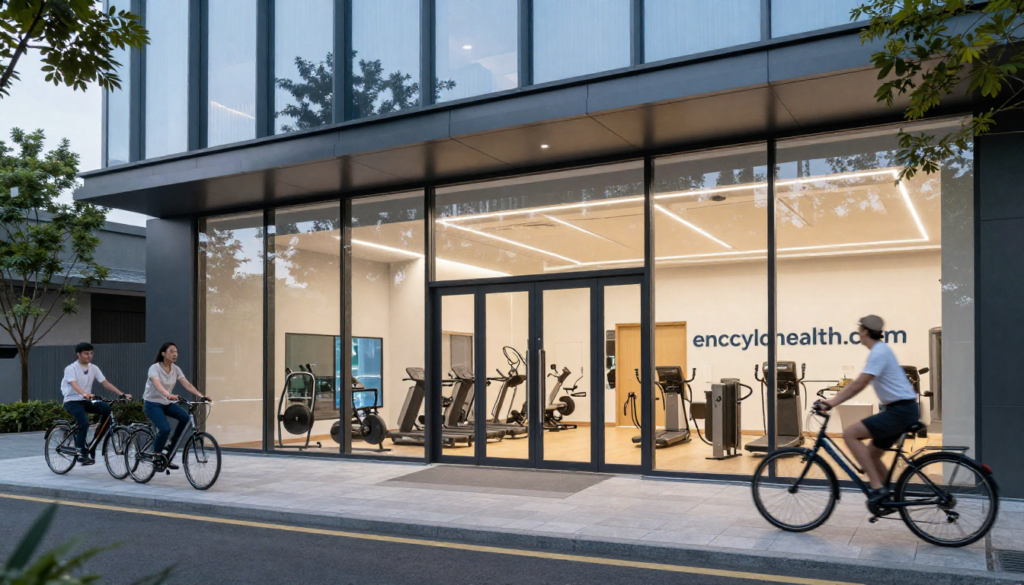
- Designing spaces that encourage movement, reduce stress, and promote mental health
- Supporting occupant control and engagement with their environment
Why Active Building Design Matters Right Now
We’re at a pivotal moment. Climate change is accelerating. Energy costs are volatile. Mental health challenges are rising. And buildings — which account for roughly 40% of global energy consumption, according to the International Energy Agency — sit right at the intersection of all these issues.
The buildings we construct today will still be standing in 2050, 2070, even 2100. If we continue building the same way we always have, we lock in decades of unnecessary emissions, energy waste, and human suffering. Active building design offers a better path.
Beyond the environmental argument, there’s a deeply human one. Poor indoor air quality, inadequate natural light, uncomfortable temperatures, and sedentary layouts all affect the people inside. Research published by the World Green Building Council has shown that better-designed buildings can improve cognitive function by up to 26%, reduce absenteeism, and improve sleep quality. These aren’t small numbers.
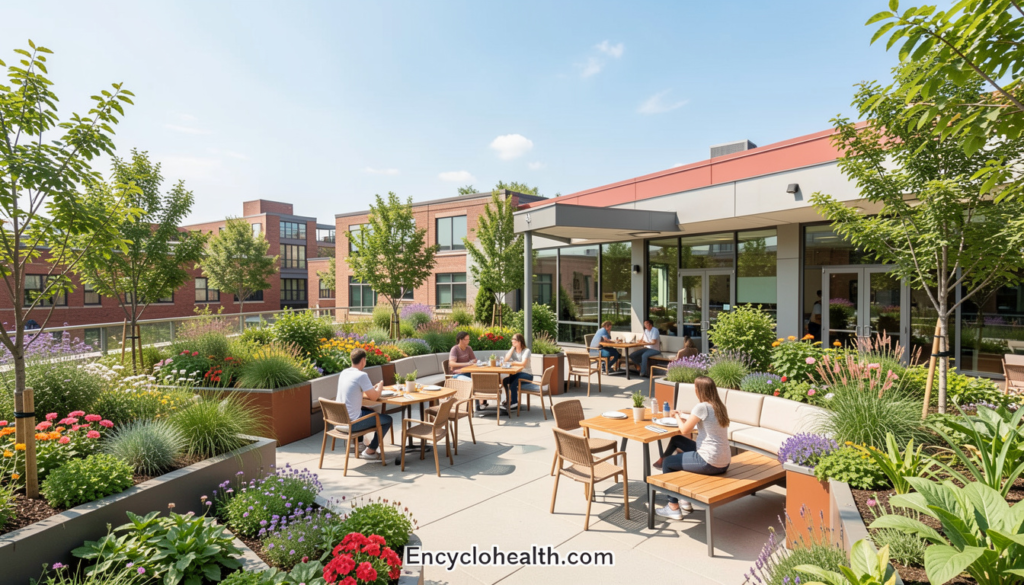
When you work in an active building, you’re not just in a building. You’re in an environment that’s working for you.
The Core Principles of an Active Building
Energy Generation and Efficiency
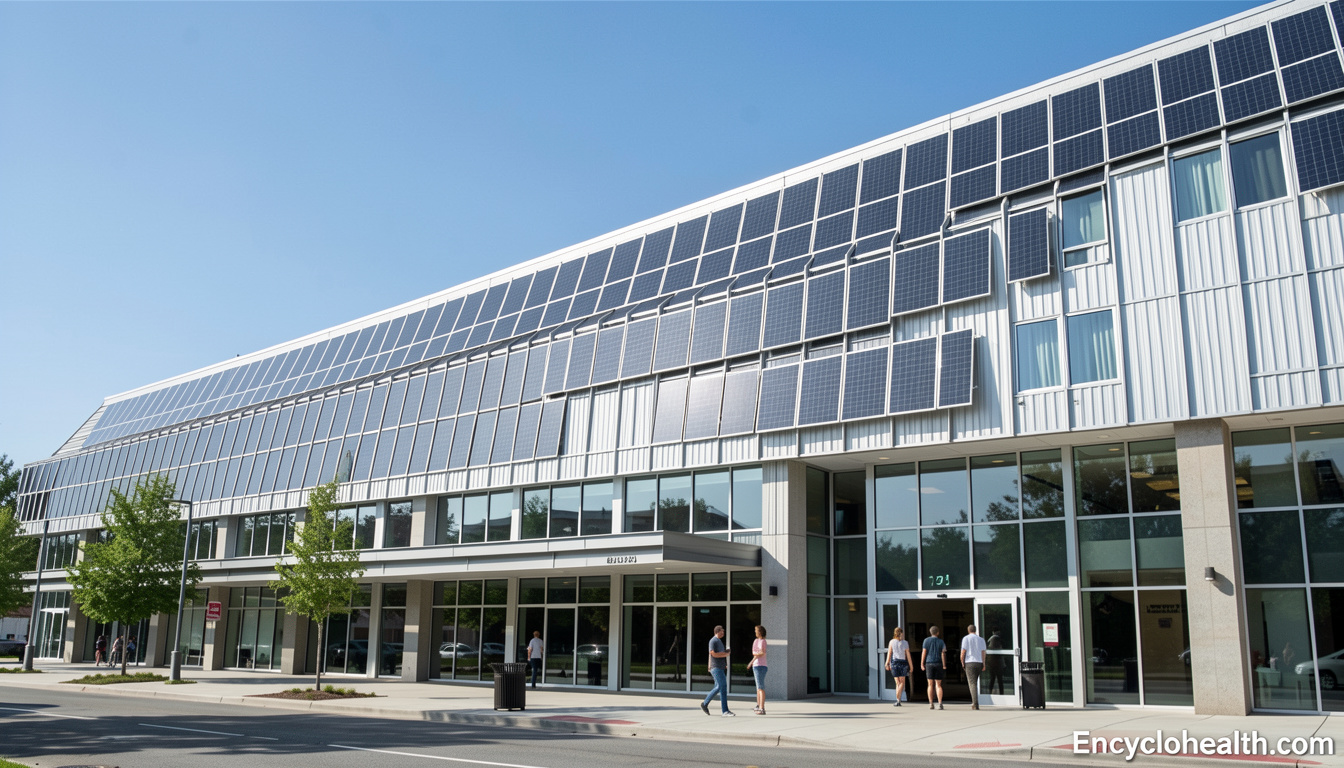
At its most technical level, active building design starts with energy. The goal is simple: produce as much — or more — energy than the building needs. In practice, this means integrating solar photovoltaic panels into roofs or facades, using ground-source or air-source heat pumps, and installing battery storage systems to hold surplus energy.
Smart meters and energy management systems monitor usage in real time. They shift loads to off-peak times, reduce waste, and ensure the building runs as efficiently as possible. Some active buildings are even capable of selling surplus electricity back to the grid — turning the building from a cost centre into a revenue stream.
Smart Systems and Building Intelligence
Active buildings don’t just generate energy — they think about it. Building Management Systems (BMS) coordinate heating, ventilation, air conditioning, lighting, and security. They respond to occupancy, weather forecasts, and energy prices automatically.
This intelligence matters because behaviour accounts for a huge proportion of a building’s actual energy use. Smart systems remove the burden from occupants while still giving them control. You might set your preferences in an app, and the building handles the rest.
Health and Wellbeing Integration
One of the most exciting aspects of active building design is its focus on human health. This goes well beyond installing a gym or adding a few plants. It involves careful attention to:
- Air quality: Active buildings monitor CO2 levels, VOC emissions, and humidity. Ventilation systems respond in real time to keep air fresh without wasting energy.
- Natural light: Circadian lighting systems mimic the arc of natural daylight. Research from Harvard Medical School has linked better circadian alignment to improved sleep, mood, and metabolism.
- Acoustic comfort: Active buildings manage noise through smart layouts, materials, and in some cases, active noise cancellation systems.
- Thermal comfort: Radiant heating and cooling systems, combined with smart sensors, maintain comfort without the blasts of hot or cold air typical of conventional HVAC systems.
Occupant Empowerment and Engagement
Here’s something that often gets overlooked: active buildings only work well when the people inside them are part of the equation. The best-designed active building can still perform poorly if occupants don’t understand or engage with its systems.
Good active building design builds in feedback loops. Dashboards show real-time energy use. Apps let you adjust your environment. Nudges encourage behaviour changes. This creates a relationship between building and occupant that’s genuinely two-way.
Active Building in Practice: Real-World Examples
Residential Active Buildings
The SPECIFIC IQ building in Swansea, Wales, was one of the first net-zero energy active buildings in the UK. It integrates solar panels, battery storage, heat pumps, and smart controls to achieve energy positivity. It’s also a functioning office and research facility — proving that active building principles work in real-world conditions, not just in controlled experiments.
Several housing developments in Scandinavia have taken this further. In Denmark and Sweden, entire neighbourhoods have been designed around active building principles. Homes share energy through microgrids. Residents see their energy data in real time. The result is lower bills, lower emissions, and stronger community ties.
Commercial and Educational Buildings
Schools and universities are increasingly adopting active building principles. The benefits here are particularly striking. Better air quality and lighting in classrooms have been linked to measurable improvements in student focus and test performance. Several studies, including one from the UK’s Building Research Establishment, found that improvements in classroom environments could raise learning rates by 3–16%.
For commercial office buildings, the return on investment is compelling. Lower energy bills. Healthier employees. Better talent attraction and retention. Reduced absenteeism. These benefits add up quickly when you’re managing a large workforce.
How Active Building Differs From Passive House and Net Zero
You might be wondering how active building relates to concepts like Passive House or net zero buildings. They’re related, but distinct.
Passive House is a design standard focused on reducing energy demand through insulation, airtightness, and passive solar gain. It’s excellent at what it does, but it doesn’t necessarily generate energy or engage occupants in the way that active building design does.
Net zero buildings aim to balance energy consumption with on-site renewable generation over a year. Active building goes further — it aims to generate surplus energy, store it, share it, and use building intelligence to manage it dynamically. It also places greater emphasis on the human experience.
Think of it this way: net zero is the destination, and active building is the vehicle that gets you there — and keeps improving the journey for everyone on board.
Barriers to Active Building Adoption
Let’s be honest about the challenges. Active building design isn’t without obstacles.
Cost is the most obvious one. Integrating solar panels, battery storage, smart controls, and advanced HVAC systems costs more upfront than conventional construction. However, whole-life cost analysis — which accounts for energy savings, maintenance costs, and occupant productivity — typically shows a positive return within 10–15 years for most active building projects.
Skills and knowledge gaps present another challenge. Many architects, engineers, and contractors are still more comfortable with conventional methods. The industry needs more training, better tools, and clearer standards to scale active building practice.
Split incentives are a structural problem in rental and commercial markets. When developers don’t pay energy bills, they have less incentive to invest in efficiency. Tenant-landlord relationships often misalign the costs and benefits of active building upgrades.
Grid integration is increasingly important as more buildings generate and store energy. Utilities and regulators need to adapt to a world where buildings are active participants in the energy system, not just passive consumers.
Getting Started: What You Can Do Today
If you’re building or renovating, here are some practical steps toward active building principles:
- Start with the envelope. High-quality insulation and airtightness dramatically reduce energy demand — making every other system more effective.
- Prioritise natural light. Orient your building to maximise daylight. This reduces lighting costs and supports occupant health at the same time.
- Install renewable generation. Solar PV panels are cheaper than ever. Pair them with a smart inverter and battery storage to maximise self-consumption.
- Choose a smart heating system. Heat pumps are the active building standard for heating and cooling. Pair with smart controls for maximum efficiency.
- Monitor and measure. You can’t manage what you can’t measure. Smart meters and energy management software give you the data you need to continuously improve.
- Engage occupants. Design spaces and systems that invite people to participate. An active building is a partnership.
The Future of Active Building
The future looks genuinely exciting. As battery storage costs continue to fall, as AI-driven building management systems become more sophisticated, and as energy communities and microgrids scale up, active buildings will become the norm rather than the exception.
The integration of electric vehicles is already changing the equation. Buildings with EV charging infrastructure can use vehicles as mobile batteries — absorbing surplus solar energy during the day and feeding it back during peak demand. This concept, known as vehicle-to-grid (V2G), transforms the active building from an island into a node in a much larger intelligent energy network.
Regulatory pressure is also building. Building standards in the UK, EU, and many parts of the US are tightening rapidly. Net zero targets are creating a policy environment that increasingly favours active building design. Getting ahead of these changes now makes strategic sense.
Conclusion
Active building design isn’t just about technology — it’s about vision. It’s a fundamentally different way of thinking about what buildings are for. Not just shelter. Not just compliance. But genuine contributors to human health, environmental sustainability, and community resilience.
The evidence is clear: buildings designed on active principles perform better, cost less to run over time, and create environments where people genuinely thrive. That’s not a small thing. Most of us spend most of our lives in buildings. Making those buildings work harder for us — and for the planet — is one of the most impactful changes we can make.
So here’s a question worth sitting with: if you were designing your ideal building today, what would you want it to do for you? Share your thoughts, or take your first step by exploring what active building principles could look like in your own home or project.
FAQs About Active Building
1. What is the main goal of an active building? The main goal is to create a building that generates its own energy, manages it intelligently, and actively supports the health and wellbeing of the people who use it — going beyond simply meeting minimum standards.
2. How is an active building different from a green building? Green buildings focus primarily on reducing environmental impact. Active buildings do that too, but go further by generating surplus energy, using smart systems to optimise performance in real time, and placing strong emphasis on occupant health and experience.
3. Are active buildings more expensive to build? The upfront cost is typically higher than conventional construction. However, lower energy bills, improved occupant productivity, and reduced maintenance costs usually deliver a positive return within 10–15 years.
4. Can existing buildings be retrofitted to become active buildings? Yes. Retrofitting is a major part of the active building movement. Adding solar panels, upgrading insulation, installing smart controls, and improving ventilation are all steps that can move an existing building toward active building performance.
5. What technologies are most important in an active building? Solar photovoltaic panels, battery storage, heat pumps, Building Management Systems (BMS), smart meters, and advanced ventilation and lighting controls are the core technologies in most active buildings.
6. How does active building design benefit mental health? Better air quality, natural light, acoustic comfort, and thermal control all directly impact stress, focus, mood, and sleep quality. Active building design addresses these factors systematically rather than as afterthoughts.
7. What is the Active Building Centre? The Active Building Centre (ABC) is a UK-based research programme focused on advancing active building technology, policy, and practice. It brings together industry, academia, and government to accelerate the adoption of active building principles.
8. Is active building design suitable for homes? Absolutely. Many of the principles — solar generation, heat pumps, battery storage, smart controls, and good ventilation — are equally applicable in residential settings. Active homes are already being built and lived in across the UK and Europe.
9. How does active building relate to net zero targets? Active buildings are a practical pathway to achieving net zero. By generating renewable energy on-site and managing it intelligently, active buildings reduce reliance on grid electricity and can even contribute surplus clean energy back to the network.
10. Where can I learn more about active building standards? The Active Building Centre, BREEAM, WELL Building Standard, and Passivhaus Institute are all excellent starting points for understanding the standards and certifications related to active building design.
Also Read: Humidifier for Bedroom
| Author: Johan Harwen |
| E-mail: johanharwen314@gmail.com |
| Bio: Johan Harwen is a passionate tourist who has explored countless destinations across the globe. With an eye for hidden gems and local cultures, he turns every journey into an unforgettable story worth sharing. |