How Much Is a Home Inspection? Real Costs Revealed 2026
Introduction
You are about to make one of the biggest financial decisions of your life. You found the house. You love the neighborhood. The price feels right. But before you sign anything, there is one step you absolutely cannot skip: the home inspection.
So how much is a home inspection, exactly? Most buyers ask this question and expect a simple number. The truth is, the cost depends on several factors, and understanding those factors can save you from a very expensive surprise down the road.
In this article, you will learn exactly how much is a home inspection in different situations, what drives the price up or down, what the inspection actually covers, and whether the cost is worth it. By the end, you will feel confident and informed before you write that check.
The short answer: a standard home inspection in the United States typically costs between 300 dollars and 500 dollars. But that number can swing much higher or lower depending on where you live, the size of the home, and the type of inspection you need.
What Is a Home Inspection and Why Does It Matter
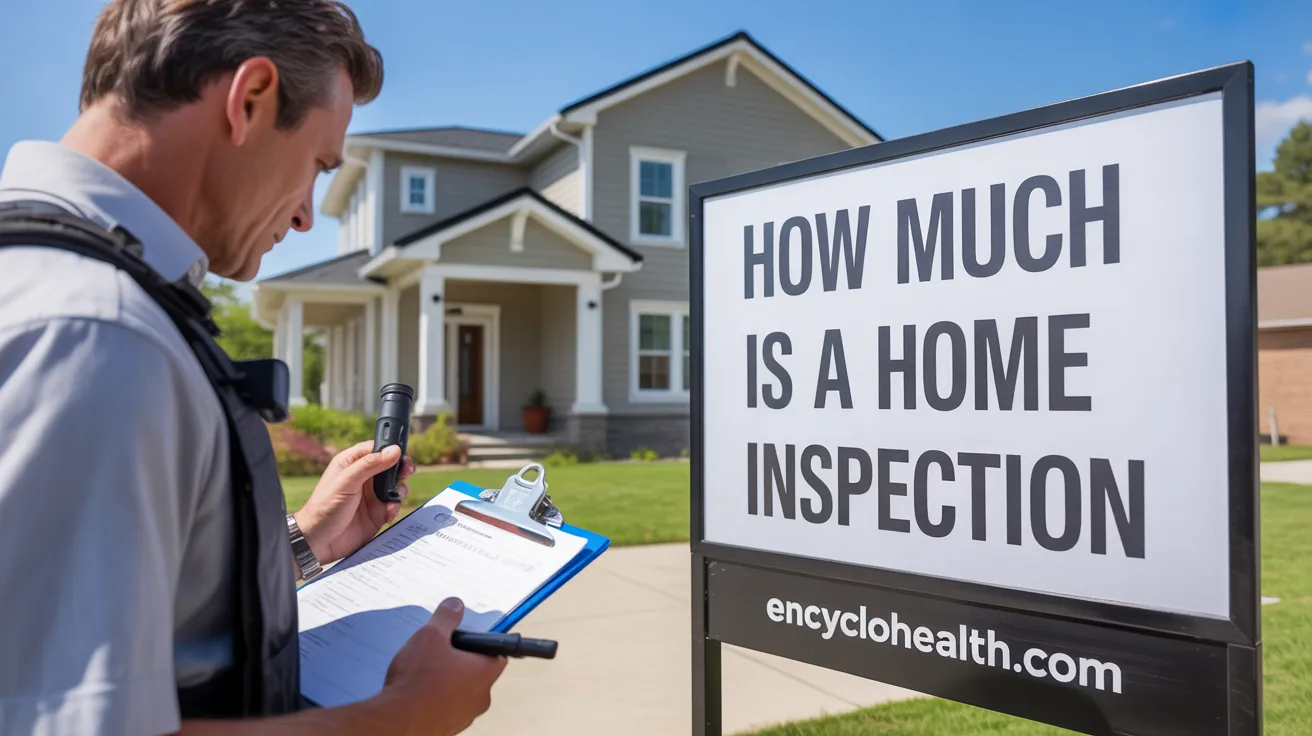
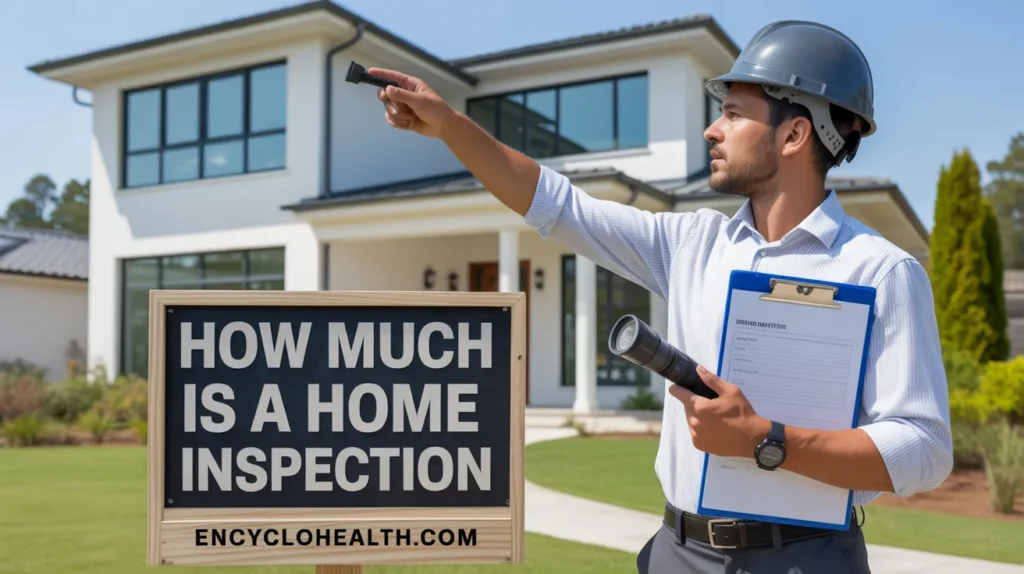
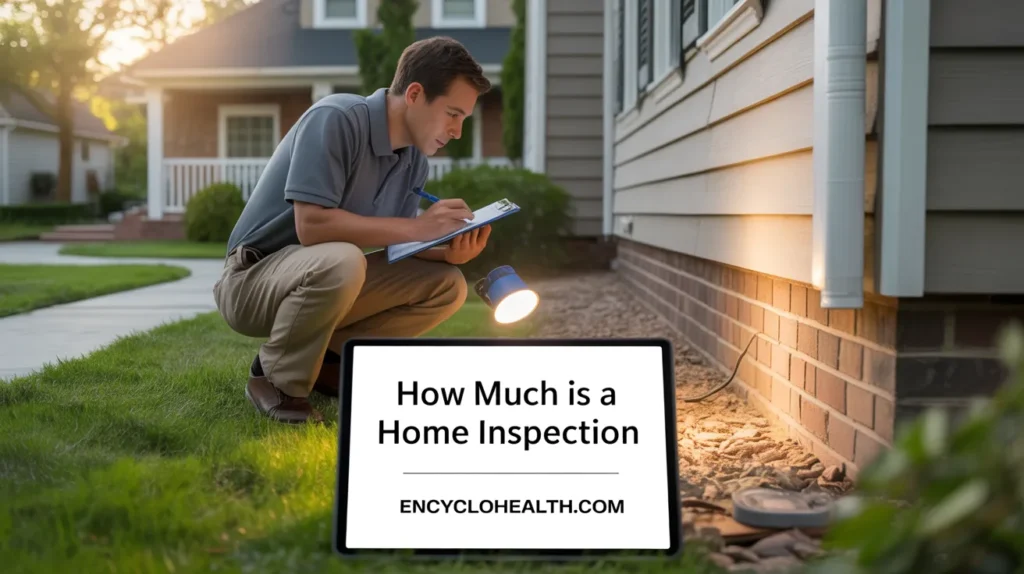
A home inspection is a professional examination of a property’s condition. A licensed inspector walks through the entire home and evaluates its structure, systems, and components. They look at the roof, foundation, plumbing, electrical wiring, HVAC systems, windows, insulation, and more.
The inspector then gives you a written report. That report tells you what is working, what needs repair, and what might become a serious problem in the future.
This step matters enormously. Buyers who skip inspections sometimes discover after closing that the roof needs replacing, the basement floods every spring, or the electrical panel is a fire hazard. These repairs can cost tens of thousands of dollars. A home inspection, by comparison, costs a fraction of that.
So, How Much Is a Home Inspection on Average
The national average for a standard home inspection sits around 340 dollars to 420 dollars. However, most inspectors price their services based on the square footage of the home.
Here is a general pricing breakdown:
Homes under 1,000 square feet: 200 dollars to 280 dollars Homes between 1,000 and 2,000 square feet: 280 dollars to 380 dollars Homes between 2,000 and 3,000 square feet: 380 dollars to 480 dollars Homes between 3,000 and 4,000 square feet: 450 dollars to 550 dollars Homes over 4,000 square feet: 550 dollars and up
Older homes often cost more to inspect. The systems are more complex, the materials are harder to assess, and there is a higher chance of hidden issues. Inspectors factor in that additional time and risk.
If you are in a high cost of living city like San Francisco, New York, or Seattle, expect to pay on the higher end of these ranges. In smaller towns and rural areas, prices tend to be lower.
What Affects the Cost of a Home Inspection
Several variables push the price up or down. Understanding them helps you know what you are paying for.
Size of the Home
This is the biggest factor. More square footage means more time on site, more systems to inspect, and a longer written report. A 500 square foot condo and a 4,000 square foot colonial are completely different jobs.
Age of the Property
Older homes have older systems. Inspecting a 1960s home takes longer than inspecting a newly built one. Older electrical panels, galvanized pipes, and original windows all require more careful attention.
Location
Prices vary widely by state and city. A home inspection in rural Mississippi costs significantly less than the same inspection in downtown Boston. Local market rates, cost of living, and competition among inspectors all play a role.
Type of Foundation
Homes with crawl spaces, basements, or unusual foundation types take longer to inspect. Crawl space access can be physically demanding and time consuming. Some inspectors charge an additional fee for homes with complex foundation access.
Add-On Inspections
A standard inspection does not cover everything. If you want additional testing, expect to pay more. These are some of the most common add-ons:
Radon testing: 100 dollars to 200 dollars Mold inspection: 200 dollars to 600 dollars Sewer scope inspection: 100 dollars to 250 dollars Pest or termite inspection: 75 dollars to 150 dollars Pool or spa inspection: 100 dollars to 200 dollars Chimney inspection: 100 dollars to 250 dollars Water quality testing: 100 dollars to 200 dollars
If you are buying an older home or one in an area known for radon or pest issues, these add-ons are well worth the extra cost.
Inspector Experience and Credentials
Certified inspectors with strong reputations and years of experience often charge more. That higher price usually buys you a more thorough report, better communication, and greater peace of mind. Cheaper is not always better when it comes to home inspections.
What Does a Home Inspection Actually Cover
Before asking how much is a home inspection, it helps to understand what you are getting. A thorough inspection covers the following areas:
Roof and Gutters
The inspector checks the condition of shingles, flashing, gutters, and drainage. A failing roof is one of the most expensive repairs a new homeowner can face.
Exterior
This includes the siding, grading around the foundation, walkways, driveways, and any exterior structures like decks or porches.
Foundation and Structure
The inspector looks for cracks, settling, moisture intrusion, and structural integrity issues. Foundation problems can cost anywhere from a few thousand dollars to tens of thousands to fix.
Plumbing
They check water pressure, visible pipes, water heater condition, and drainage. They look for leaks, corrosion, and outdated materials like lead pipes.
Electrical System
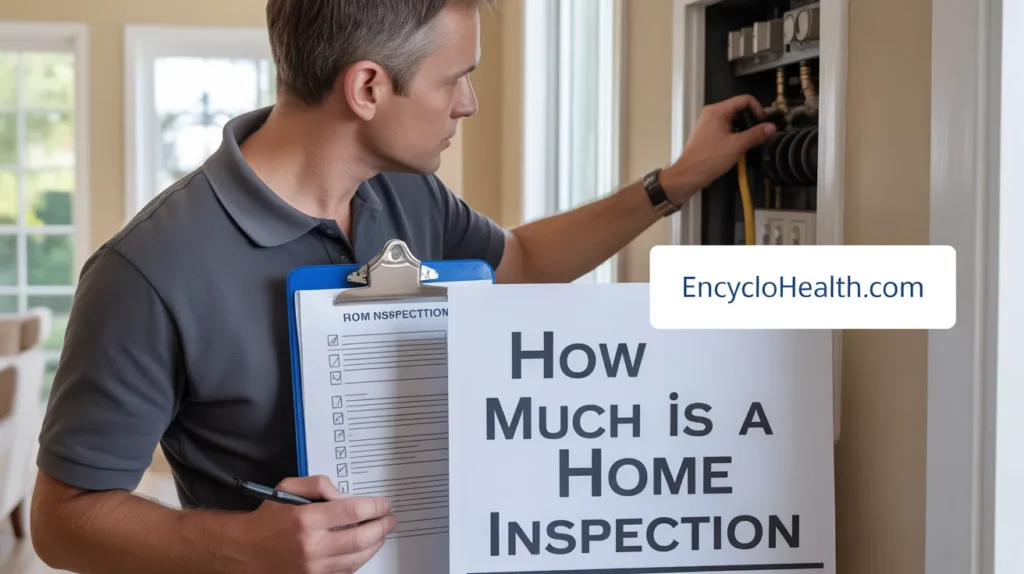
The inspector reviews the main panel, wiring, outlets, and grounding. Faulty wiring is a fire risk and a major red flag.
HVAC Systems
Heating, cooling, and ventilation systems all get evaluated. The inspector tests whether they operate properly and notes the age and condition of each unit.
Interior
This covers ceilings, walls, floors, windows, and doors. They look for water stains, cracks, poor ventilation, and signs of moisture.
Attic and Insulation
Poor insulation drives up energy bills. Signs of moisture or pests in the attic can indicate bigger problems.
A standard inspection does not include testing for mold, radon, pests, or water quality. Those require separate, specialized tests.
Is a Home Inspection Worth the Cost
Yes, absolutely. A home inspection is one of the smartest investments you can make in the home buying process.
Think about it this way. The inspection costs a few hundred dollars. A failed HVAC system can cost 5,000 to 12,000 dollars to replace. A leaking roof runs 5,000 to 25,000 dollars depending on the severity. A compromised foundation can run into the six figures.
Finding just one significant issue gives you leverage. You can ask the seller to fix it before closing, negotiate a lower purchase price, or decide to walk away entirely if the problems are too serious.
I always tell people this: a home inspection is not a pass or fail test. Every home has issues. The goal is to know exactly what you are buying so there are no ugly surprises after you move in.
According to the American Society of Home Inspectors, more than 90 percent of homes have at least one defect discovered during inspection. That should tell you something.
Who Pays for the Home Inspection
In most real estate transactions, the buyer pays for the home inspection. It is typically paid out of pocket before or at the time of the inspection, not rolled into closing costs.
Some sellers choose to get a pre-listing inspection before putting their home on the market. This helps them identify issues in advance and price the home accordingly. A pre-listing inspection can range from 300 dollars to 500 dollars depending on the home.
In a competitive market, some buyers waive the inspection to make their offer more attractive. This is risky. Even if the home looks perfect, skipping the inspection means you are buying blind.
How to Find a Good Home Inspector Without Overpaying
Finding the right inspector matters as much as the price you pay. Here is how to find someone reliable without getting overcharged.
Ask your real estate agent for recommendations. They work with inspectors regularly and know who does thorough work.
Check credentials. Look for inspectors certified by the American Society of Home Inspectors (ASHI) or the International Association of Certified Home Inspectors (InterNACHI).
Read reviews. Google reviews and platforms like Yelp or Angi give you real feedback from past clients.
Ask what is included. Before booking, ask exactly what the inspection covers, whether you can attend, and when you will receive the report.
Get two or three quotes. Prices vary. Comparing quotes helps you find fair market value in your area without automatically going with the cheapest option.
Avoid inspectors who rush. A thorough inspection of an average home takes two to three hours. If someone promises to finish in 45 minutes, that is a red flag.
How Much Is a Home Inspection for New Construction
You might wonder if a newly built home needs an inspection. It does.
New construction homes have defects too. Contractors make mistakes. Code violations slip through. Materials get installed incorrectly. A third party inspector catches things that the builder’s own team might miss or overlook.
How much is a home inspection for new construction? The cost is similar to a standard inspection, typically 300 dollars to 500 dollars, though some inspectors offer phase inspections during the building process for an additional fee.
A new construction inspection gives you the chance to get issues resolved before you take possession, while the builder is still responsible for fixing them.
How Much Is a Home Inspection for a Condo
Condos cost less to inspect because the inspector only evaluates the interior unit and not the shared building systems. Exterior walls, the roof, and common areas are typically the responsibility of the homeowners association.
A condo inspection generally runs between 200 dollars and 350 dollars depending on the size of the unit and your location.
Even though condos are cheaper to inspect, the inspection is still important. Interior plumbing, electrical, HVAC, windows, doors, and signs of moisture are all worth knowing about before you buy.
How to Save Money on a Home Inspection Without Cutting Corners
You do not have to pay top dollar to get a solid inspection. Here are a few ways to keep costs reasonable.
Bundle add-on tests. Many inspectors offer discounts when you book radon testing or a sewer scope at the same time as the standard inspection.
Attend the inspection in person. When you attend, you get a live walkthrough from the inspector. This often reduces the need for follow-up questions and helps you prioritize repairs. Your presence does not lower the cost, but it maximizes the value.
Use your agent’s referral. Agents often have relationships with inspectors that can lead to preferred pricing.
Compare at least three quotes before booking.
Avoid scheduling in a rush. Last-minute bookings can come with a premium. Give yourself time to vet inspectors carefully.
Common Questions Buyers Ask About Home Inspection Costs
How long does a home inspection take?
Most inspections take two to four hours. Larger homes or older properties may take longer. You should plan to attend the full inspection if your schedule allows.
Can I negotiate the price of a home inspection?
You can ask, but most reputable inspectors do not negotiate much on price. The better approach is to compare several quotes up front rather than haggling after the fact.
What happens if the inspection reveals major problems?
You have several options. You can ask the seller to make repairs, request a price reduction, ask for a seller credit at closing, or walk away from the deal entirely if your contract includes an inspection contingency.
Should I use the inspector my real estate agent recommends?
Agent referrals are a good starting point, but always do your own research. Check credentials and read reviews independently to ensure the inspector works for you, not the agent.
Is a home inspection required by law?
No. Home inspections are not legally required in most states. However, most mortgage lenders require an appraisal, which is different from an inspection. The inspection is for your benefit as the buyer.
Can a seller refuse to let me do a home inspection?
A seller cannot legally prevent you from getting an inspection if your offer includes an inspection contingency. However, in competitive markets, some sellers prefer offers without contingencies. Talk to your agent about how to handle this in your local market.
Final Thoughts on How Much Is a Home Inspection
So, how much is a home inspection? The realistic answer is between 300 dollars and 500 dollars for most homes, with add-ons potentially bringing the total to 600 dollars or more. That is a small price compared to what a bad purchase can cost you.
A home inspection gives you the facts you need to make a confident decision. It protects your investment, gives you negotiating power, and ensures you know exactly what you are walking into.
Do not let the cost discourage you. Think of it as buying a few hundred dollars worth of certainty in a transaction that involves hundreds of thousands of dollars.
Have you recently gone through a home inspection? Did it uncover anything unexpected? Share your experience in the comments below. And if you found this article helpful, pass it along to someone currently going through the home buying process.
Frequently Asked Questions
- How much is a home inspection for the average home? Most buyers pay between 300 dollars and 500 dollars for a standard home inspection. The exact price depends on the home’s size, age, location, and the inspector you choose.
- Does the buyer or seller pay for the inspection? In most cases, the buyer pays for the home inspection out of pocket before closing.
- What does a home inspection not cover? A standard inspection does not test for radon, mold, pests, lead paint, asbestos, or water quality. These require separate specialized tests that cost extra.
- How much does radon testing add to an inspection? Radon testing typically adds 100 dollars to 200 dollars on top of the standard inspection fee.
- How much is a home inspection for a small house or condo? Small homes and condos typically cost 200 dollars to 350 dollars to inspect because there is less square footage and fewer systems to evaluate.
- Are online home inspections legitimate? Some companies offer virtual walkthroughs, but these do not replace an in-person licensed inspection. An in-person inspection is the only way to properly assess the physical condition of a home.
- How often should a home inspection be done? For home purchases, it is done once before closing. For general maintenance awareness, some homeowners choose to have their home inspected every few years.
- Can I skip the inspection to speed up closing? You can, but it is a significant risk. Skipping the inspection means you accept the home as-is with no knowledge of existing problems.
- What qualifications should a home inspector have? Look for inspectors certified by ASHI or InterNACHI. Many states also require inspectors to hold a state-issued license. Always verify credentials before booking.
- How soon do I get the inspection report? Most inspectors deliver the report within 24 to 48 hours of the inspection. Some provide it the same day.
Also Read encyclohealth.com
Email: johanharwen314@gmail.com
Author Name: Johan Harwen
About the Author: Johan Harwen is a real estate writer and housing market analyst with over a decade of experience helping buyers, sellers, and investors make smarter property decisions. He has covered topics ranging from mortgage financing to home maintenance, with a focus on breaking down complex processes into clear and actionable advice. When he is not writing, Johan enjoys renovating old homes and exploring emerging housing markets across North America.