Cut Waters: Essential Guide to Understanding These Powerful Marine Phenomena 2026
Introduction
Have you ever watched a boat slice through the water and noticed the distinctive wave pattern it creates? That’s a cut water in action. These fascinating marine phenomena aren’t just beautiful to observe—they’re actually critical to understanding how vessels move through water and how waves interact with solid objects.
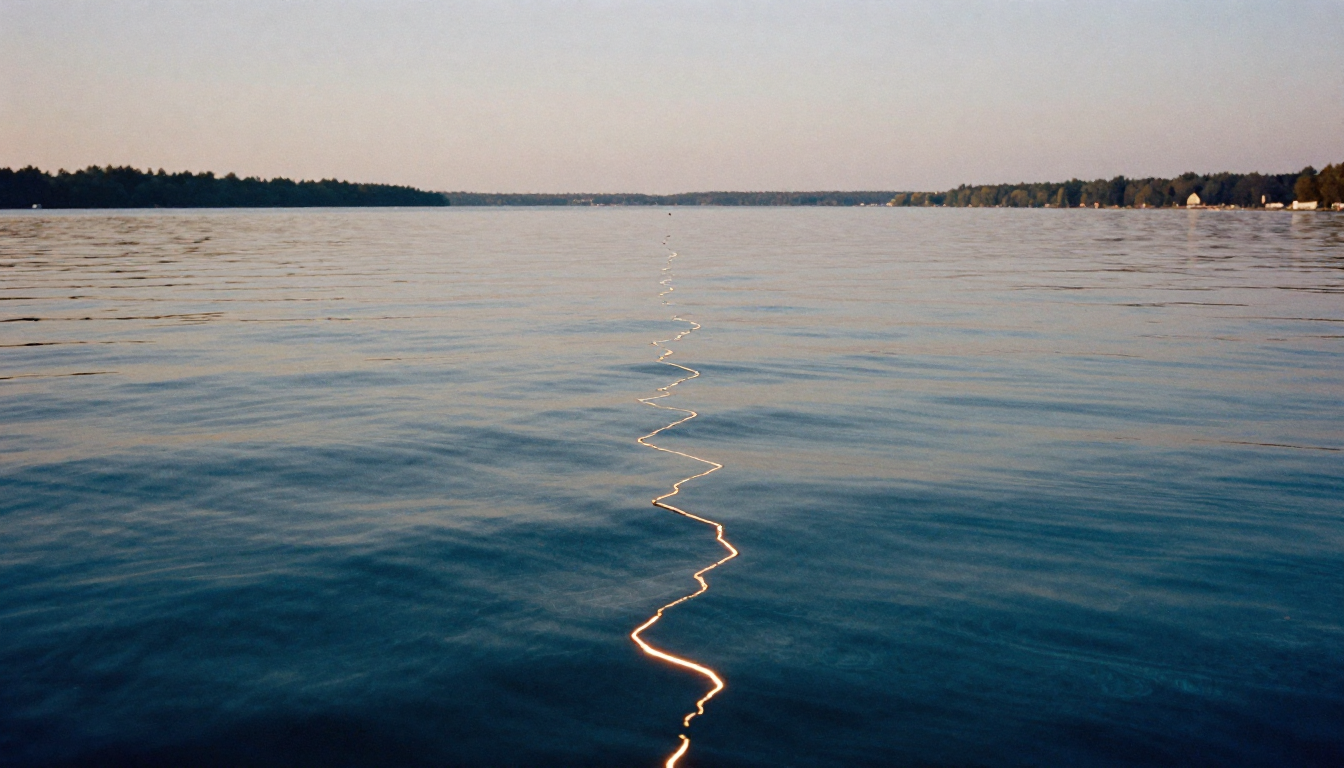
Cut waters are the wave patterns created when a ship’s bow cuts through the water’s surface. They form a V-shaped pattern that radiates outward from the vessel. Whether you’re a boating enthusiast, a maritime professional, or just curious about ocean mechanics, understanding cut waters can give you deeper insight into navigation, vessel design, and water dynamics.
In this guide, I’ll walk you through everything you need to know about cut waters. You’ll learn how they form, why they matter, and how they impact everything from fuel efficiency to wildlife.
What Are Cut Waters?
Cut waters refer to the distinctive wave patterns created when a vessel’s bow breaks through the water surface. The term can also describe the sharp edge of a ship’s bow designed to cut through waves efficiently.
When a boat moves forward, it pushes water aside. This displacement creates waves that spread out in a characteristic V-shape behind the vessel. The angle of this V-pattern depends on the boat’s speed. Faster vessels create narrower angles, while slower ones produce wider patterns.
These waves aren’t just surface-level disturbances. Cut waters actually involve complex water displacement that extends below the surface. The energy from these waves can travel significant distances, affecting other boats, shorelines, and marine life.
Understanding cut waters helps you predict how your vessel will behave in different conditions. It also explains why boats consume more fuel at certain speeds and how wake affects surrounding areas.
The Physics Behind Cut Waters
The science of cut waters combines fluid dynamics, wave mechanics, and energy transfer. When your boat moves through water, it must push the water molecules out of its path. This requires energy and creates resistance called drag.
As the bow cuts through the water, it creates two primary wave systems. The bow wave forms at the front of the vessel, while the stern wave develops at the rear. These waves interact with each other, sometimes canceling out and sometimes amplifying.
The Kelvin wave pattern is the mathematical description of cut waters. Lord Kelvin discovered that regardless of vessel shape, the wake angle remains constant at approximately 19.47 degrees on each side. This means the total V-shape spans about 39 degrees.
Wave speed also plays a crucial role. Deep-water waves travel at speeds determined by their wavelength. When your vessel speed matches the wave speed it’s creating, you reach what’s called hull speed. This creates maximum resistance and turbulence.
Types of Cut Water Patterns
Different vessels create different cut water patterns based on their design, speed, and size. Understanding these variations helps you identify vessel types from a distance and predict their impact on surrounding waters.
Displacement Hull Patterns
Displacement hulls push through water rather than riding on top of it. They create pronounced bow and stern waves with significant water displacement. These cut waters are typically symmetrical and well-defined.
Sailboats, cargo ships, and tankers use displacement hulls. Their cut waters extend far behind the vessel and can persist for several minutes after passing.
Planing Hull Patterns
Planing hulls lift partially out of the water at speed, riding on the surface rather than through it. Their cut waters are less pronounced but spread wider. The wake appears flatter with more spray.
Speedboats, jet skis, and performance vessels create these patterns. They generate less underwater disturbance but more surface turbulence and spray.
Catamaran and Multihull Patterns
Multihull vessels create unique cut water patterns because each hull produces its own wave system. These patterns interact and interfere with each other, creating complex wakes.
The space between hulls can create a “rooster tail” effect where water is pushed up and forward. This makes multihull cut waters distinctive and easily recognizable.
Cut Water Design in Ship Construction
Naval architects spend considerable time designing effective cut waters for vessels. The bow design directly impacts fuel efficiency, speed capability, and seaworthiness.
A sharp, knife-like bow cuts through waves cleanly with minimal resistance. This design works well for high-speed vessels and calm water conditions. However, it can dig into waves during rough seas, creating uncomfortable motion.
Bulbous bows are underwater protrusions that modify cut water patterns. They create their own wave system that partially cancels out the bow wave, reducing overall resistance. Large cargo ships and cruise vessels commonly use this design.
Clipper bows curve outward and upward, providing reserve buoyancy when plunging through waves. Traditional sailing ships used this design, and it remains popular for vessels operating in rough conditions.
Modern computational fluid dynamics allows designers to optimize cut water performance. They can simulate different bow shapes and predict exactly how each design will perform under various conditions.
Environmental Impact of Cut Waters
Cut waters don’t just affect the vessel creating them—they impact the entire surrounding environment. Understanding these effects is crucial for responsible boating and environmental protection.
Shore erosion is one of the most visible impacts. When cut waters reach shallow water near shorelines, they increase in height and energy. Repeated wave action gradually erodes banks and beaches.
Aquatic vegetation suffers from constant wake exposure. Plants along shorelines get uprooted or damaged when strong cut waters repeatedly disturb the sediment. This affects entire ecosystems that depend on these plants.
Marine animals face challenges from cut waters too. Fish eggs in shallow water can be dislodged or damaged. Nesting birds along shorelines experience disturbance from boat wakes. Marine mammals may alter their behavior to avoid areas with heavy boat traffic.
Suspended sediment increases when cut waters disturb the bottom in shallow areas. This reduces water clarity, affecting light penetration and photosynthesis. It can also clog fish gills and smother bottom-dwelling organisms.
Cut Waters and Boat Performance
Your vessel’s interaction with its own cut waters significantly affects performance, fuel consumption, and handling characteristics. Learning to work with these forces rather than against them makes you a better boater.
Hull speed represents the maximum efficient speed for displacement hulls. When you exceed hull speed, you’re essentially trying to climb your own bow wave. This requires exponentially more power and fuel with diminishing speed returns.
The optimal cruising speed typically sits just below hull speed. At this point, your cut water pattern is well-formed but not creating excessive resistance. You’ll notice better fuel economy and smoother running.
Planing hulls must push through the hull speed barrier to get “on plane.” During this transition, cut waters create maximum resistance. Once on plane, the vessel rides over its own wake with reduced drag.
Trim adjustment changes how your hull interacts with cut waters. Bow-up trim reduces wetted surface but can create instability. Bow-down trim improves handling but increases drag. Finding the sweet spot maximizes performance.
Navigating in the Cut Waters of Other Vessels
When operating near other boats, their cut waters become hazards you must manage. Different vessels create different challenges, and knowing how to handle each situation keeps you safe.
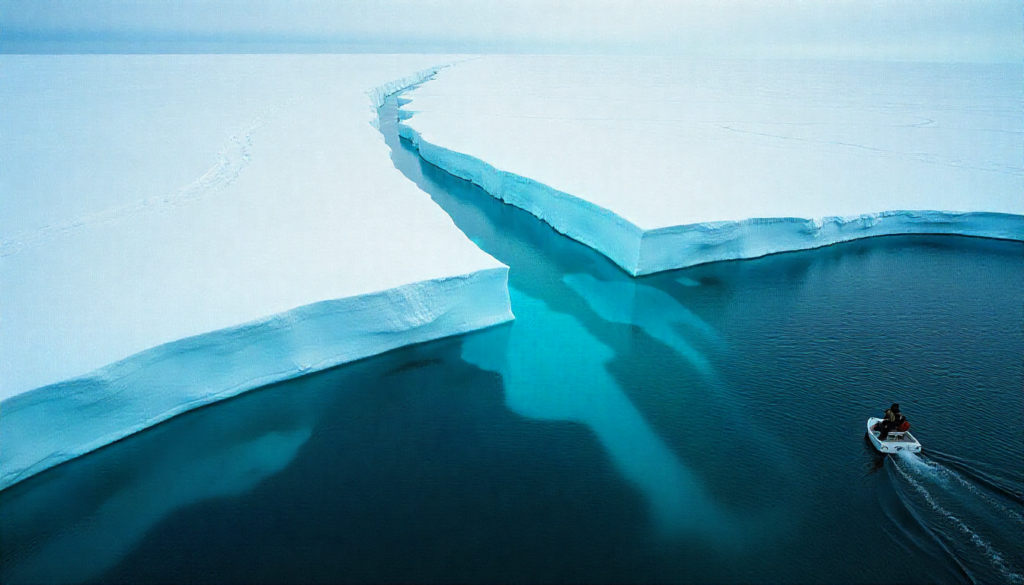
Large ship wakes can be dangerous for small boats. The cut waters from cargo ships or cruise vessels carry tremendous energy. They arrive as a series of waves, with the largest often coming second or third in the set.
Always cross large wakes at an angle rather than head-on or parallel. Angle crossing lets you handle one wave at a time rather than multiple simultaneous impacts. Keep your speed moderate—too slow and you lose control, too fast and you launch off the waves.
In narrow channels, cut waters reflect off walls and banks, creating confused seas. These reflected waves intersect with incoming waves, producing unpredictable patterns. Reduce speed and stay alert in confined waters.
No-wake zones exist specifically to minimize cut water impacts. These areas protect sensitive shorelines, marinas, and swimming areas. Operating at slow speeds keeps your cut waters minimal and your wake barely visible.
Cut Waters in Different Water Conditions
The same vessel creates different cut water patterns depending on water depth, current, and sea state. Recognizing these variations helps you adjust your operation accordingly.
Shallow Water Effects
When water depth is less than half your vessel’s waterline length, you’re operating in shallow water. Cut waters behave differently here because waves can’t develop their full form. They become steeper and more closely spaced.
Your vessel will feel “sluggish” in shallow water. You’ll need more power to maintain speed because shallow-water resistance increases significantly. The cut waters also interact more strongly with the bottom, potentially stirring up sediment.
Current Interactions
Moving with the current, your cut waters appear smaller relative to the ground. Against the current, they steepen and shorten. This affects how other boaters perceive your wake and how it impacts shorelines.
Strong currents can create standing waves where cut waters interact with bottom features. These hydraulic features are common around river narrows, bridge pilings, and channel entrances.
Rough Water Conditions
In waves and chop, your cut waters merge with the existing sea state. This makes them harder to distinguish but no less important. The combined wave energy can exceed what either source would create alone.
Matching your speed to sea conditions minimizes pounding and stress on your hull. Sometimes slowing down reduces the relative impact of cut waters and existing waves working together.
Measuring and Predicting Cut Waters
Scientists and engineers use various methods to measure and predict cut water behavior. These tools help design better vessels and establish appropriate regulations.
Wave height gauges measure the vertical distance from trough to crest. Placed along shorelines or on buoys, they record cut water impacts over time. This data helps establish no-wake zones and speed limits.
Computational modeling simulates cut waters before vessels are built. Software calculates how proposed designs will perform, allowing optimization before construction begins. This saves time and money in the design process.
GPS tracking combined with wave sensors creates detailed maps of cut water patterns. Researchers can see exactly how waves propagate from vessels under different operating conditions.
Aerial photography and drone footage provide visual documentation of cut water patterns. These images help illustrate the extent of wake impacts and support environmental impact studies.
Regulations and Responsible Practices
Most waterways have regulations governing cut waters to protect both the environment and other water users. Following these rules isn’t just legal compliance—it’s ethical responsibility.
No-wake zones are clearly marked areas where you must minimize your cut waters. Typically this means speeds of 5 mph or less. These zones protect swimmers, docked boats, sensitive wildlife areas, and erosion-prone shorelines.
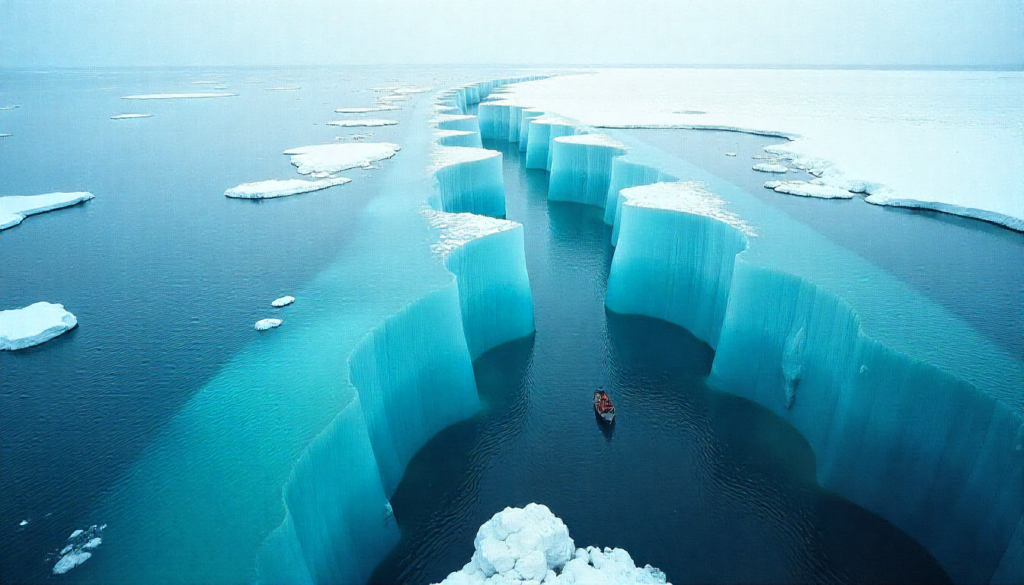
Distance requirements keep boats away from swimmers, divers, anchored vessels, and shorelines. Most jurisdictions require 100-200 feet separation. This gives others time to see and react to your cut waters.
Speed limits on certain waterways control the size and energy of cut waters. These limits consider the width of the waterway, traffic density, and environmental sensitivity.
Personal responsibility extends beyond posted regulations. Even in unrestricted areas, consider your wake’s impact. Slow down near kayakers, paddleboarders, and small fishing boats. Be extra cautious around wildlife and nesting areas.
Cut Waters in Maritime History
Understanding cut waters isn’t new—sailors have grappled with these forces for centuries. Historical perspectives show how our knowledge has evolved.
Ancient mariners noticed that certain bow shapes performed better in different conditions. They couldn’t explain the physics, but empirical observation led to improved designs. Viking longships featured sharp bows that cut through waves efficiently.
The clipper ship era brought systematic study of hull design and cut water efficiency. Speed was paramount for trade, so designers competed to create the fastest hulls. Their trial-and-error approach laid groundwork for modern naval architecture.
Steamship development introduced consistent propulsion, making cut water behavior more predictable. Engineers could now design hulls specifically for powered operation rather than wind.
Modern research vessels study cut waters to improve efficiency and reduce environmental impact. Every percentage point of drag reduction translates to fuel savings and emission reductions across global shipping fleets.
Future Developments in Cut Water Technology
Innovation continues in how we design vessels and manage their cut waters. Emerging technologies promise more efficient and environmentally friendly solutions.
Air lubrication systems inject tiny bubbles along the hull, creating a layer that reduces friction between the hull and water. This modifies cut water formation and can improve fuel efficiency by 5-10%.
Hydrofoil technology lifts vessels completely out of the water at speed, eliminating traditional cut waters entirely. The foils create their own lift pattern with different characteristics than conventional hulls.
Bio-inspired designs mimic the shapes of marine animals that move efficiently through water. Whale flippers, fish scales, and dolphin skin patterns all influence modern hull designs.
Electric and hybrid propulsion systems allow precise speed control, making it easier to operate at optimal speeds that minimize cut water impacts. They also reduce noise pollution that compounds wake effects on marine life.
Conclusion
Cut waters represent far more than just the pretty V-shaped wake trailing behind boats. They’re complex physical phenomena that affect vessel performance, fuel efficiency, environmental health, and water safety. Understanding how cut waters form, behave, and impact their surroundings makes you a more knowledgeable and responsible boater.
Whether you’re operating a kayak or captaining a yacht, your vessel creates cut waters that ripple outward with real consequences. By choosing appropriate speeds, respecting regulations, and considering your wake’s impact, you contribute to healthier waterways and safer boating for everyone.
What changes will you make to minimize your cut waters on your next outing? Share your thoughts and experiences with responsible boating practices in your local waters.
Frequently Asked Questions About Cut Waters
What exactly are cut waters in boating?
Cut waters are the wave patterns created when a boat’s bow cuts through the water surface. They form a distinctive V-shaped wake that radiates outward from the vessel. The term also refers to the sharp bow design that creates these patterns.
Why do cut waters always form a V-shape?
The V-shape results from the physics of wave propagation in water. Lord Kelvin proved that regardless of vessel shape, the wake angle remains constant at approximately 39 degrees total. This happens because water waves can only travel at certain speeds based on their wavelength.
How do cut waters affect shoreline erosion?
Cut waters carry energy that, when reaching shallow water near shores, transforms into higher, more powerful waves. Repeated exposure to boat wakes gradually erodes banks, damages vegetation, and destabilizes shorelines. The cumulative effect from heavy boat traffic can significantly reshape waterways over time.
What’s the difference between cut waters from slow and fast boats?
Slower boats create wider V-shaped cut waters with lower energy. Faster boats produce narrower wakes with more concentrated energy. Once boats reach planing speeds, the wake pattern changes dramatically, becoming flatter with more spray but extending over wider areas.
Can cut waters damage other boats?
Yes, cut waters from larger vessels can create hazardous conditions for smaller boats. The waves can cause loss of control, swamp open boats, or damage docked vessels. This is why distance regulations and no-wake zones exist around marinas, swimmers, and other boats.
What is hull speed and how does it relate to cut waters?
Hull speed is the maximum efficient speed for displacement hulls, occurring when the vessel’s speed matches its bow wave speed. At this point, cut waters create maximum resistance because the boat is trying to climb its own wave pattern, requiring exponentially more power.
Are there ways to reduce cut water impacts?
Yes, several strategies minimize cut water effects: operating at displacement speeds rather than near hull speed, using trim tabs to optimize hull attitude, choosing routes away from sensitive shorelines, and slowing down in narrow channels where wakes reflect and amplify.
Do cut waters affect fish and marine life?
Absolutely. Cut waters disturb fish eggs in shallow areas, uproot aquatic vegetation, increase sediment suspension, and alter habitat quality. Marine mammals may avoid areas with heavy boat traffic due to combined wave and noise disturbance. Nesting birds along shorelines also experience disruption.
Why do some ships have bulbous bows?
Bulbous bows create an underwater wave system that partially cancels out the main bow wave, reducing the overall size and energy of cut waters. This decreases resistance and improves fuel efficiency, particularly beneficial for large vessels traveling long distances at constant speeds.
What are no-wake zones and why do they matter?
No-wake zones are designated areas where boats must operate at very slow speeds (typically 5 mph or less) to minimize cut water creation. These zones protect sensitive environmental areas, swimming zones, marinas with docked boats, and erosion-prone shorelines from wave damage.
Also Read : Beverage Fridge