Discover How Many Calories in a Fried Egg: Complete Guide 2026
Introduction
Ever stood in your kitchen, spatula in hand, wondering exactly how many calories in a fried egg you’re about to eat?
You’re not alone. This simple breakfast staple raises questions for millions of people trying to track their nutrition. Whether you’re counting calories, building muscle, or just curious about what you’re putting on your plate, understanding the caloric content of fried eggs matters.
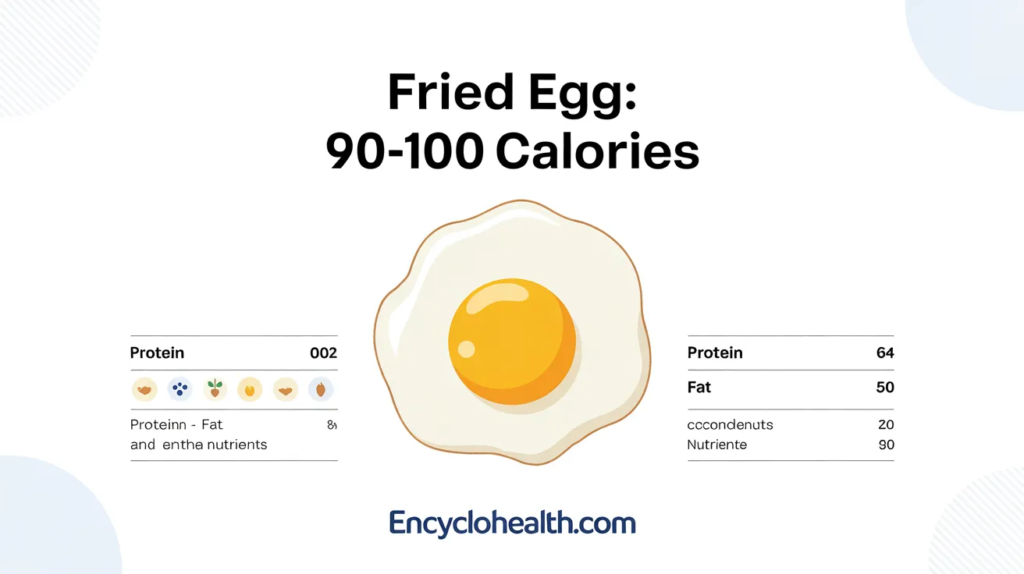
Here’s the straightforward answer: a single large fried egg contains approximately 90-100 calories. But that number changes based on several factors. The type of oil you use, how much fat you add, and even the size of the egg all play a role.
In this guide, you’ll discover everything about how many calories in a fried egg. We’ll break down cooking methods, compare different preparations, explore nutritional benefits, and share practical tips. By the end, you’ll know exactly how to enjoy your fried eggs while staying on track with your health goals.
Understanding the Basic Calorie Count
How Many Calories in a Fried Egg?
The calorie content in a fried egg isn’t as simple as a single number.
A large egg on its own contains about 72 calories. When you fry it, you’re adding fat to the pan. That’s where the extra calories come from.
Here’s the breakdown:
- Large fried egg (in 1 tsp oil): 90-100 calories
- Large fried egg (in butter): 95-110 calories
- Large fried egg (cooking spray): 75-80 calories
- Medium fried egg: 80-90 calories
- Jumbo fried egg: 105-120 calories
The cooking fat makes a significant difference. Just one tablespoon of butter adds 102 calories. One tablespoon of olive oil adds 119 calories.
Why the Calorie Count Varies
Several factors influence how many calories in a fried egg you’ll actually consume.
Egg size matters most. The USDA categorizes eggs by weight. A medium egg weighs about 44 grams, while a jumbo egg reaches 63 grams. That size difference translates directly to calories.
Cooking fat is the second biggest variable. Using a non-stick spray keeps calories minimal. Cooking in generous amounts of oil or butter significantly increases the total count.
Cooking method affects absorption. Eggs fried in shallow fat absorb less oil than eggs deep-fried or cooked in pooled butter.
I’ve tested this myself in my own kitchen. When I use just a light spray of oil, my fried eggs stay around 75-80 calories. When I cook them in a tablespoon of butter for extra flavor, that number jumps to about 110 calories.
Breaking Down the Nutrition in Fried Eggs
Complete Nutritional Profile
Understanding how many calories in a fried egg is just the starting point. Let’s look at what else you’re getting.
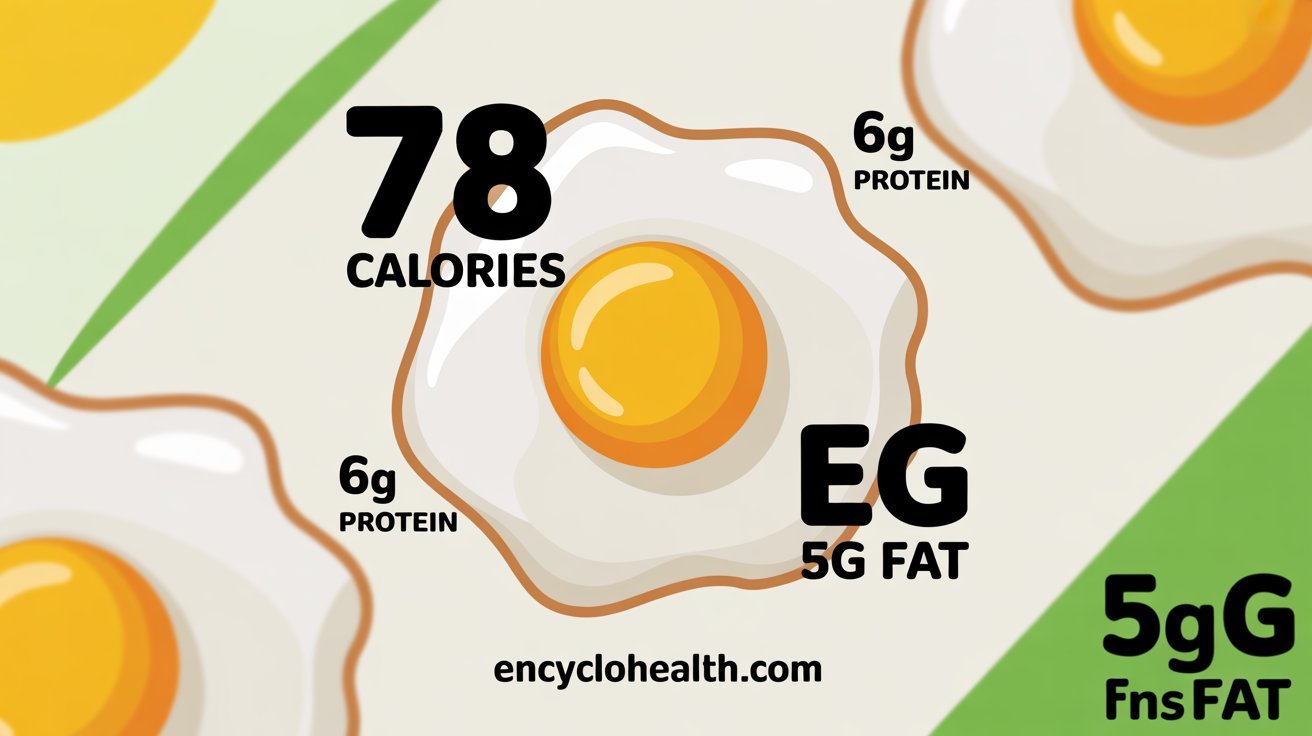
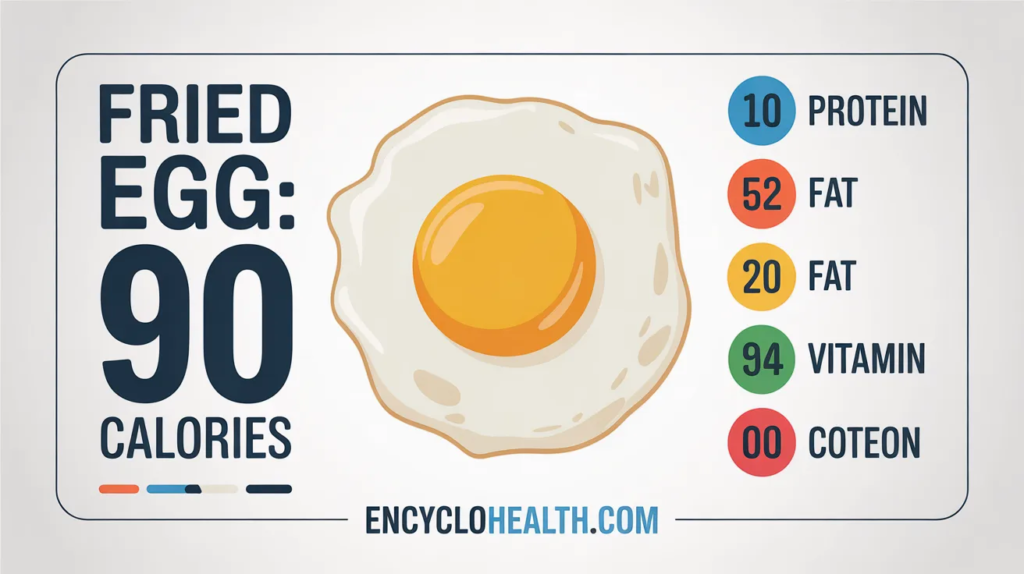
For one large fried egg (cooked in 1 tsp oil):
- Calories: 90-100
- Protein: 6-7 grams
- Fat: 7-8 grams
- Carbohydrates: 0.4 grams
- Cholesterol: 185-210 mg
- Sodium: 70-95 mg
The protein content makes fried eggs incredibly valuable. Seven grams of high-quality protein supports muscle repair, keeps you full, and stabilizes blood sugar levels.
Vitamins and Minerals You Get
Fried eggs deliver impressive micronutrients.
Key vitamins include:
- Vitamin A (supports vision and immune function)
- Vitamin D (essential for bone health)
- Vitamin E (powerful antioxidant)
- B vitamins (energy production and brain health)
- Choline (crucial for brain development)
Important minerals:
- Selenium (thyroid function and antioxidant protection)
- Phosphorus (bone and teeth health)
- Iron (oxygen transport in blood)
- Zinc (immune system support)
One large fried egg provides about 20% of your daily selenium needs. It also delivers roughly 15% of your riboflavin requirements.
The Cholesterol Question
Each fried egg contains about 185-210 mg of cholesterol.
For years, people worried about dietary cholesterol raising blood cholesterol levels. Recent research shows a more nuanced picture. For most healthy adults, dietary cholesterol has minimal impact on blood cholesterol levels.
The 2015-2020 Dietary Guidelines removed the previous 300 mg daily cholesterol limit. Current evidence suggests saturated and trans fats affect blood cholesterol more than dietary cholesterol does.
However, individuals with diabetes or heart disease should still monitor their intake. Always consult your healthcare provider about your specific situation.
How Cooking Methods Change Calorie Content
Different Ways to Fry an Egg
Not all fried eggs are created equal when it comes to calories.
Sunny-side up eggs cook in a small amount of fat without flipping. The whites set while the yolk stays runny. This method typically uses minimal oil, keeping calories lower.
Over-easy eggs get flipped briefly to lightly cook the top. You might use slightly more oil to prevent sticking during the flip. Calorie increase remains minimal.
Over-medium and over-hard eggs cook longer on both sides. Longer cooking time can mean more fat absorption. The difference usually adds 5-10 calories.
Comparing Cooking Fats
The type of fat you choose dramatically affects how many calories in a fried egg.
Butter: Adds rich flavor but increases calories significantly. One tablespoon contains 102 calories. Most people use at least one teaspoon (34 calories) per egg.
Olive oil: Heart-healthy option with 119 calories per tablespoon. Using one teaspoon adds about 40 calories to your egg.
Coconut oil: Contains 117 calories per tablespoon. Adds a subtle flavor and uses medium-chain triglycerides.
Cooking spray: The lowest-calorie option. A one-second spray adds only 5-10 calories. Perfect for calorie-conscious cooking.
Bacon fat: Flavorful but calorie-dense at about 115 calories per tablespoon. Also adds saturated fat.
I personally rotate between cooking spray for weekday breakfasts and butter for weekend brunches. This balance lets me enjoy flavor while managing my overall calorie intake.
Non-Stick Pans Make a Difference
Investing in a quality non-stick pan changes everything.
A good non-stick surface requires minimal fat. You can successfully fry an egg with just a light spray or even a dry pan. This keeps your calorie count as low as possible.
Cast iron pans need more seasoning and oil. They add flavor but also increase calories. Stainless steel pans often require the most fat to prevent sticking.
Comparing Fried Eggs to Other Preparations
Fried vs. Boiled Eggs
How many calories in a fried egg compared to boiled?
A large hard-boiled egg contains about 78 calories with no added fat. A large fried egg ranges from 90-110 calories depending on cooking oil.
Boiled eggs offer:
- Lower calorie count (78 vs. 90-110)
- No added fat
- Easier portion control
- Longer shelf life
Fried eggs provide:
- Better taste and texture for many people
- More versatility in cooking
- Easier to customize with seasonings
The calorie difference is modest. If you’re extremely calorie-conscious, boiling saves about 15-30 calories per egg. For most people, this difference is negligible in the context of a full day’s eating.
Fried vs. Scrambled Eggs
Scrambled eggs typically contain more calories than fried eggs.
Why? Most scrambled egg recipes call for milk, cream, butter, or cheese. These additions boost both flavor and calories significantly.
Basic scrambled egg (2 eggs with milk and butter): 200-250 calories Two fried eggs (minimal oil): 180-200 calories
You can make lower-calorie scrambled eggs by using water instead of milk and cooking spray instead of butter. This brings them closer to fried egg calorie counts.
Fried vs. Poached Eggs
Poached eggs are the lowest-calorie cooked egg option.
A large poached egg contains only 72 calories. No added fat enters the equation since eggs poach in water.
The catch? Poaching requires more skill and specific conditions. Many people find frying easier and more consistent. The 20-30 calorie difference might be worth the convenience and improved success rate of frying.
How Many Calories in a Fried Egg with Common Additions
Adding Cheese
Cheese transforms a simple fried egg into something special.
But it also adds calories quickly. One slice of cheddar cheese adds about 113 calories. Shredded cheese adds roughly 110 calories per quarter cup.
Popular cheese additions:
- Cheddar: 113 calories per slice
- Mozzarella: 85 calories per ounce
- Feta: 75 calories per ounce
- Parmesan: 22 calories per tablespoon
If you’re watching calories, use cheese sparingly. A light sprinkle of strong-flavored cheese like parmesan delivers taste without excessive calories.
Serving with Toast or Bread
Fried eggs rarely appear alone on a plate.
Adding toast significantly increases your meal’s total calorie count. One slice of whole wheat bread adds approximately 80-90 calories. White bread adds about 75-80 calories per slice.
Complete breakfast calorie counts:
- One fried egg + one slice toast: 165-190 calories
- One fried egg + two slices toast: 245-280 calories
- Two fried eggs + two slices toast: 345-380 calories
Butter on your toast? That’s another 100 calories per tablespoon. Jam adds about 50 calories per tablespoon.
Cooking with Vegetables
Adding vegetables to your fried eggs is nutritionally smart.
Spinach, tomatoes, mushrooms, and peppers add nutrients, fiber, and volume with minimal calories. A cup of spinach contains only 7 calories. Half a tomato adds 11 calories.
The cooking method matters here too. Sautéing vegetables in oil before adding eggs increases calories. Using cooking spray or adding raw vegetables keeps the count lower.
Bacon and Sausage Companions
Breakfast meats dramatically change your calorie equation.
Two slices of bacon add approximately 90 calories. One breakfast sausage link adds about 100 calories. These additions nearly double your breakfast’s calorie content.
Complete meal examples:
- Two fried eggs + two bacon slices: 280-290 calories
- Two fried eggs + one sausage link: 280-300 calories
- One fried egg + bacon + toast + butter: 350-400 calories
Tips for Lower-Calorie Fried Eggs
Choose Your Cooking Method Wisely
You control how many calories in a fried egg by making smart choices.
Use cooking spray instead of oil or butter. This single swap saves 30-40 calories per egg. The taste difference is minimal, especially if you season well.
Invest in a quality non-stick pan. This allows you to use even less fat without sticking issues. A good pan pays for itself in oil savings.
Try water-frying. Add a tablespoon of water to your pan instead of oil. The water creates steam that cooks the egg. This technique takes practice but results in zero-fat fried eggs.
Smart Portion Control
Sometimes the best way to reduce calories is simply eating fewer eggs.
One large egg provides substantial protein and nutrition. You don’t always need two or three eggs for a satisfying breakfast.
Stretch your eggs:
- Combine one whole egg with two egg whites (cuts calories by about 30)
- Serve your egg over vegetables to increase volume
- Pair one egg with high-fiber toast for lasting fullness
I often make breakfast with one whole fried egg and a large serving of sautéed vegetables. This creates a filling meal for under 200 calories.
Flavor Without Extra Calories
You don’t need butter and cheese for delicious fried eggs.
Try these flavor enhancers:
- Hot sauce (0-5 calories)
- Fresh herbs like cilantro or basil (negligible calories)
- Black pepper and sea salt (0 calories)
- Everything bagel seasoning (5 calories per teaspoon)
- Nutritional yeast (10 calories per tablespoon, plus B vitamins)
These additions make eggs exciting without significantly impacting your calorie count.
Health Benefits of Fried Eggs
High-Quality Protein Source
Fried eggs deliver complete protein with all essential amino acids.
Your body uses this protein for muscle building, tissue repair, and countless metabolic functions. Seven grams per egg might not sound like much, but it’s highly bioavailable protein.
Eating protein at breakfast helps control appetite throughout the day. Studies show that high-protein breakfasts reduce overall calorie intake by decreasing later hunger and cravings.
Supports Weight Management
Despite containing fat and cholesterol, fried eggs can support weight loss.
The protein and fat combination creates satiety. You feel fuller longer after eating eggs compared to carbohydrate-heavy breakfasts like cereal or bagels.
Research published in the International Journal of Obesity found that overweight adults who ate eggs for breakfast lost more weight than those who ate bagels with the same calorie count.
The key is moderation and smart preparation. Knowing how many calories in a fried egg helps you incorporate them into a balanced diet.
Brain and Eye Health
Eggs contain nutrients specifically beneficial for cognitive function and vision.
Choline supports brain development and neurotransmitter production. One egg provides about 147 mg of choline, or roughly 27% of the recommended daily intake.
Lutein and zeaxanthin accumulate in the retina and protect against age-related macular degeneration. Eggs are among the best dietary sources of these antioxidants.
Vitamin B12 supports nerve function and red blood cell formation. One fried egg delivers about 10% of your daily B12 needs.
Common Mistakes That Add Hidden Calories
Using Too Much Cooking Fat
The most common mistake is over-estimating how much fat you need.
Many people pour oil into the pan without measuring. What looks like a teaspoon might actually be a tablespoon. That difference adds 80-100 extra calories per egg.
Solution: Measure your oil or butter. Use measuring spoons until you develop an accurate eye for portions. Better yet, switch to measured cooking sprays.
Not Accounting for Butter or Oil
Even if you use minimal fat, you must count it.
People often forget to log cooking oils in their food diaries. They record “one fried egg” as 72 calories, forgetting the 40 calories of olive oil they used.
This oversight adds up quickly if you eat fried eggs regularly. Those missing 40 calories per day equal an extra 280 calories per week.
Guessing Egg Sizes
Not all eggs are “large” even when you think they are.
Egg cartons clearly label size, but many people don’t check. A medium egg has about 10-15 fewer calories than a large egg. An extra-large egg has about 10 more calories.
If you’re tracking precisely, verify your egg size. The calorie difference might seem small, but accuracy matters for consistent results.
Incorporating Fried Eggs into Different Diets
Fried Eggs on a Low-Carb Diet
Fried eggs are perfect for low-carb and ketogenic diets.
With less than one gram of carbohydrates, they fit easily into daily macros. The fat and protein combination supports ketosis while providing sustained energy.
Keto-friendly fried egg meals:
- Fried eggs over avocado (320 calories, 3g net carbs)
- Fried eggs with bacon and cheese (380 calories, 2g net carbs)
- Fried eggs on a bed of sautéed spinach (150 calories, 2g net carbs)
Many people on keto cook their eggs in extra butter or coconut oil to increase fat intake. This raises how many calories in a fried egg but aligns with keto macros.
Fried Eggs for Muscle Building
Bodybuilders and athletes often rely on eggs for protein.
The leucine content in eggs triggers muscle protein synthesis particularly effectively. Combined with resistance training, regular egg consumption supports muscle growth.
Muscle-building breakfast:
- Three fried eggs: 270-300 calories, 21g protein
- Plus whole grain toast: 160 calories, 6g protein
- Total: 430-460 calories, 27g protein
This provides substantial protein for muscle recovery without excessive calories. The timing matters too—eating protein within a few hours of training optimizes results.
Fried Eggs in Calorie-Restricted Diets
If you’re cutting calories, fried eggs still have a place.
Prepare them with minimal oil and pair them with low-calorie, high-volume foods. The protein helps preserve muscle mass during weight loss.
Weight-loss-friendly meal:
- One fried egg (cooking spray): 75 calories
- Two cups mixed vegetables: 50 calories
- One slice whole wheat toast: 80 calories
- Total: 205 calories with high satiety
This balanced meal provides protein, fiber, and nutrients while staying under 250 calories.
Frequently Asked Questions
How many calories in a fried egg with olive oil?
A large fried egg cooked in one teaspoon of olive oil contains approximately 112 calories. The egg itself provides 72 calories, while one teaspoon of olive oil adds 40 calories. Using less oil or cooking spray reduces this number significantly.
Are fried eggs healthy for weight loss?
Yes, fried eggs can support weight loss when prepared mindfully. They provide protein and healthy fats that increase satiety and reduce overall calorie intake throughout the day. The key is using minimal cooking fat and pairing eggs with vegetables rather than high-calorie sides. Knowing how many calories in a fried egg helps you plan balanced meals.
How many calories in a fried egg with butter?
A large fried egg cooked in one teaspoon of butter contains about 106 calories. The egg contributes 72 calories and one teaspoon of butter adds 34 calories. Using a full tablespoon of butter increases the total to approximately 174 calories.
Do fried eggs have more calories than scrambled eggs?
Fried eggs typically have fewer calories than scrambled eggs. A basic fried egg with minimal oil contains 90-100 calories, while scrambled eggs often include milk, cream, or extra butter, raising the count to 100-125 calories per egg. The exact difference depends on preparation methods.
How many calories in two fried eggs?
Two large fried eggs cooked in minimal oil contain approximately 180-200 calories total. This includes about 144 calories from the eggs themselves and 36-56 calories from cooking fat. Using cooking spray instead of oil can reduce this to around 150-160 calories.
Can I eat fried eggs every day?
Most healthy adults can safely eat fried eggs daily. Current research suggests dietary cholesterol has minimal impact on blood cholesterol for most people. The protein, vitamins, and minerals in eggs provide significant nutritional benefits. However, individuals with specific health conditions should consult their healthcare provider.
What’s the lowest-calorie way to fry an egg?
The lowest-calorie method uses cooking spray or a well-seasoned non-stick pan with no added fat. This keeps a large fried egg at approximately 72-75 calories. Water-frying is another zero-fat technique, though it requires practice to master.
How many calories in a fried egg white only?
A fried egg white from one large egg contains about 17 calories. Egg whites are virtually fat-free and consist mainly of protein and water. Adding cooking spray increases this slightly to 20-25 calories.
Does the way I cook my egg change its protein content?
No, cooking method doesn’t significantly alter protein content. A large egg contains about 6-7 grams of protein whether boiled, fried, scrambled, or poached. However, overcooking can slightly reduce protein digestibility.
How many calories in a fried egg sandwich?
A fried egg sandwich typically contains 250-400 calories depending on ingredients. Two slices of bread contribute 150-180 calories, one fried egg adds 90-100 calories, and any butter, cheese, or condiments add 50-150 calories. Using whole grain bread and minimal spreads keeps calories lower.
Conclusion
Understanding how many calories in a fried egg empowers you to make informed breakfast choices.
A single large fried egg contains 90-100 calories when cooked with minimal oil. This number varies based on egg size, cooking fat type, and preparation method. The protein, vitamins, and minerals in fried eggs provide substantial nutritional value beyond just calories.
You can enjoy fried eggs while managing your weight by using cooking spray, choosing quality non-stick pans, and pairing eggs with vegetables instead of high-calorie sides. Whether you’re building muscle, losing weight, or simply eating healthily, fried eggs fit into virtually any nutrition plan.
The key is awareness and smart choices. Measure your cooking fat, know your egg sizes, and track your intake accurately. With these simple strategies, fried eggs become a delicious, nutritious, and calorie-conscious breakfast option.
What’s your favorite way to prepare fried eggs while keeping calories in check? Try experimenting with different herbs and spices to discover new flavor combinations without adding calories.
Also Read : Mounjaro Weight Loss