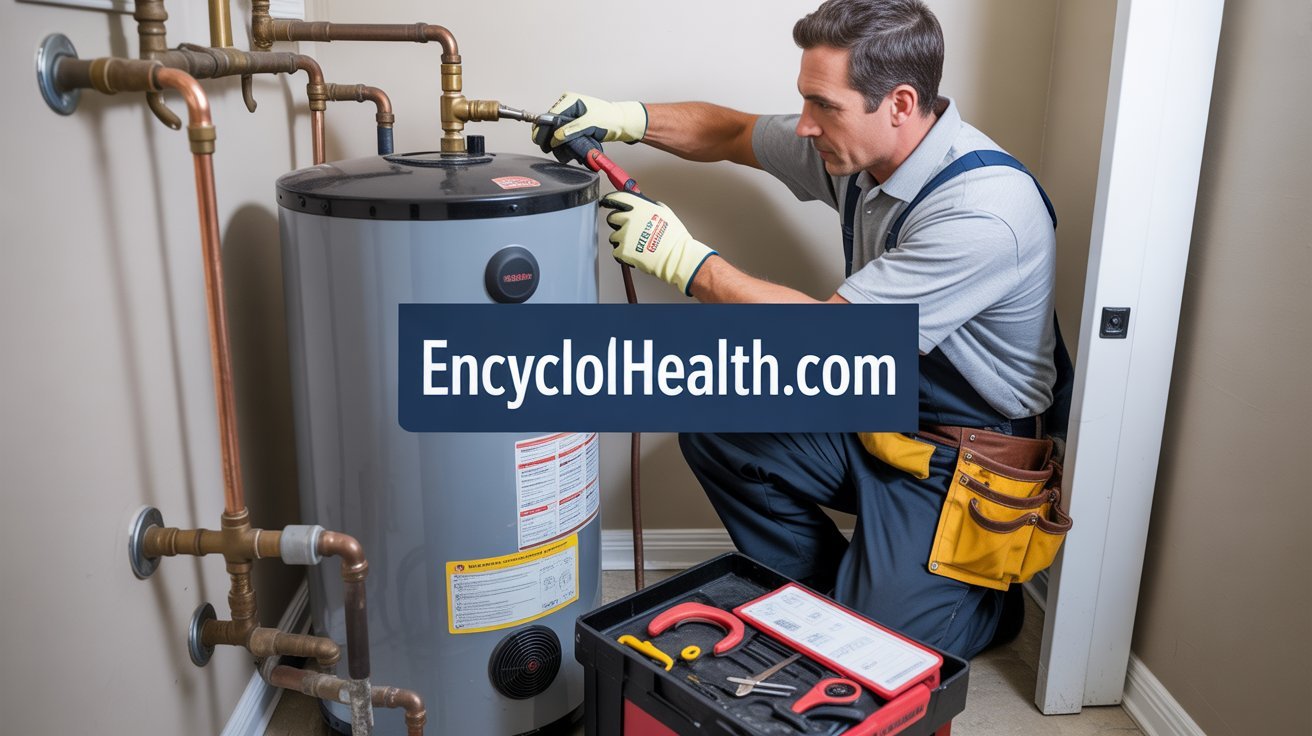
Water Heater Repair: Avoid Disaster Water Heater Repair Secrets Revealed 2026
Introduction
Nothing ruins your morning quite like stepping into an ice-cold shower. You stand there, shivering, wondering what just happened to your reliable hot water supply. Sound familiar? You’re not alone—water heater issues are one of the most common household problems homeowners face.
Water heater repair might seem intimidating at first. After all, you’re dealing with water, electricity or gas, and high temperatures. But understanding the basics can save you hundreds of dollars and help you decide when to tackle a problem yourself versus when to call a professional.
In this guide, you’ll discover the most common water heater problems, practical troubleshooting steps, and actionable repair solutions. Whether you’re dealing with strange noises, inconsistent temperatures, or mysterious leaks, we’ve got you covered with clear, straightforward advice that actually works.
Understanding How Your Water Heater Works
Before diving into water heater repair, let’s quickly cover the basics. Most homes use either tank-style or tankless water heaters. Tank heaters store 30-50 gallons of hot water, while tankless models heat water on demand.
Traditional tank heaters have several key components. The heating element (electric) or burner (gas) warms the water. A thermostat controls the temperature. The pressure relief valve prevents dangerous buildup. And the anode rod protects against corrosion.
When any of these parts fail, you’ll notice problems quickly. The good news? Many issues have simple solutions you can handle yourself.
Common Water Heater Problems and Their Symptoms
No Hot Water at All
This is the most obvious problem. You turn on the tap expecting hot water, but only cold water flows out. Several things could cause this complete failure.
For electric heaters, a tripped circuit breaker is often the culprit. Gas heaters might have a pilot light that went out. Sometimes the thermostat settings got accidentally changed.
More serious causes include a failed heating element or a broken thermostat. These require water heater repair or replacement of specific components.
Not Enough Hot Water
Maybe you get hot water, but it runs out faster than usual. This frustrating issue often develops gradually, so you might not notice at first.
Sediment buildup at the tank bottom is a common cause. Over time, minerals from your water settle and reduce the tank’s effective capacity. This problem worsens in areas with hard water.
A failing heating element can also reduce hot water output. If your element only works partially, it can’t heat the full tank properly.
Strange Noises From the Tank
Rumbling, popping, or banging sounds coming from your water heater aren’t normal. These noises usually indicate sediment buildup on the tank bottom.
When water gets trapped under the sediment, it boils and creates these disturbing sounds. While alarming, this doesn’t mean your heater will explode. However, it does signal that water heater repair or maintenance is overdue.
Hissing sounds might indicate a leak or pressure problem. Listen carefully and note when the sounds occur—this information helps diagnose the issue.
Water Leaks Around the Heater
Water pooling around your heater demands immediate attention. Even small leaks can cause significant water damage to your home over time.
Leaks might come from loose connections at the top. The pressure relief valve might be releasing water. Or worse, the tank itself could be corroding and leaking.
Check all connections first before assuming the worst. Sometimes tightening a fitting solves the problem. But tank leaks usually mean replacement time.
Discolored or Smelly Water
Rusty brown water from your hot tap suggests corrosion inside your tank. This happens when the anode rod—your tank’s built-in protector—fails.
Replacing the anode rod is a straightforward water heater repair that extends your tank’s life. Most homeowners can handle this task with basic tools.
Foul-smelling water often indicates bacteria growth inside the tank. A “rotten egg” smell comes from sulfur bacteria. Flushing the tank and raising the temperature temporarily usually eliminates this issue.
Inconsistent Water Temperature
Hot water that fluctuates between scalding and lukewarm is more than annoying—it’s potentially dangerous. This problem usually points to thermostat issues.
Your water heater has one or two thermostats depending on the model. When they malfunction, they can’t maintain consistent temperatures. Replacing a faulty thermostat is a common water heater repair.
Sediment buildup can also cause temperature swings by insulating the heating element from the water.
DIY Water Heater Repair: What You Can Safely Handle
When DIY Makes Sense
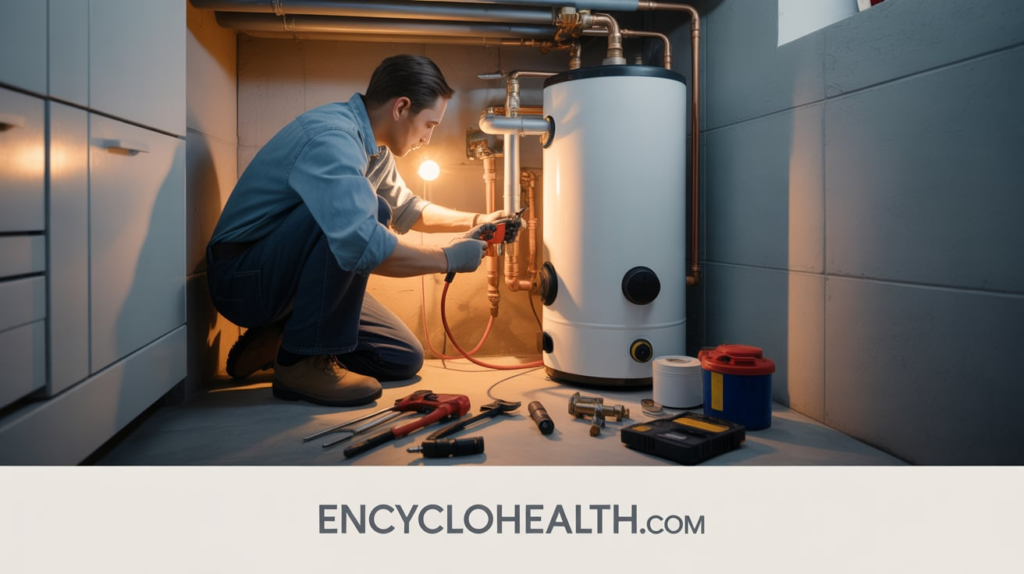
Some water heater repairs are perfect for confident homeowners. These tasks don’t require specialized skills or expensive tools.
You can safely handle:
- Adjusting thermostat settings
- Relighting a pilot light
- Replacing a pressure relief valve
- Flushing sediment from the tank
- Replacing an anode rod
- Tightening loose connections
- Resetting a tripped breaker
These repairs can save you $100-$300 in service call fees. Plus, learning these skills helps you respond quickly to future problems.
Safety First: Essential Precautions
Water heater repair involves potential hazards. Always turn off power at the circuit breaker before working on electric heaters. For gas heaters, turn off the gas supply valve.
Let hot water cool before draining or opening any valves. Water at 140°F causes serious burns in seconds. Wear gloves and eye protection when working.
Never skip the pressure relief valve test. This safety device prevents explosions. If it doesn’t release water when tested, replace it immediately.
Keep a fire extinguisher nearby when working on gas heaters. Know where your home’s main water shutoff is located before starting any repair.
Step-by-Step: Flushing Your Water Heater
Flushing removes sediment and is essential water heater maintenance. You should do this annually, especially in hard water areas.
Materials needed:
- Garden hose
- Bucket
- Gloves
- Screwdriver
The process:
First, turn off the power or gas supply. Let the water cool for several hours—overnight is safest.
Connect your garden hose to the drain valve at the tank bottom. Run the hose outside or to a floor drain.
Turn off the cold water inlet valve at the tank top. Open a hot water tap somewhere in your house to allow air into the system.
Open the drain valve and let water flow out. The first water will likely be dirty with sediment. Keep draining until the water runs clear.
Close the drain valve and remove the hose. Turn the cold water inlet back on. Leave a hot water tap open until water flows steadily without air spurts.
Finally, restore power or relight the pilot. Check for leaks around the drain valve.
This simple maintenance extends your heater’s life by several years. It also improves efficiency and hot water recovery time.
Replacing a Pressure Relief Valve
This valve prevents dangerous pressure buildup. If it leaks or doesn’t release water when tested, replace it.
Turn off power and water supply. Drain several gallons from the tank to lower the water level below the valve. Use a pipe wrench to unscrew the old valve.
Wrap new pipe thread tape around the threads of your replacement valve. Screw it in by hand first, then tighten with your wrench. Don’t overtighten—you’ll crack the fitting.
Attach the discharge pipe and restore water. Check for leaks before restoring power.
Replacing an Anode Rod
This sacrificial metal rod protects your tank from corrosion. When it deteriorates completely, your tank starts rusting.
Most anode rods need replacement every 3-5 years. This water heater repair adds years to your tank’s life.
You’ll need a 1-1/16 inch socket, a breaker bar, and possibly a hammer. Turn off power and water, but you don’t need to drain the tank completely.
Locate the anode rod—usually under a hex head on top of the heater. These are often extremely tight. Use your breaker bar for leverage.
Once removed, compare the old rod with your new one. If the old rod is less than ½ inch thick or coated in calcium, replacement was definitely needed.
Install the new rod with pipe thread tape. Tighten firmly but not excessively. Restore water and power, checking for leaks.
When to Call a Professional for Water Heater Repair
Gas Leaks and Gas Line Issues
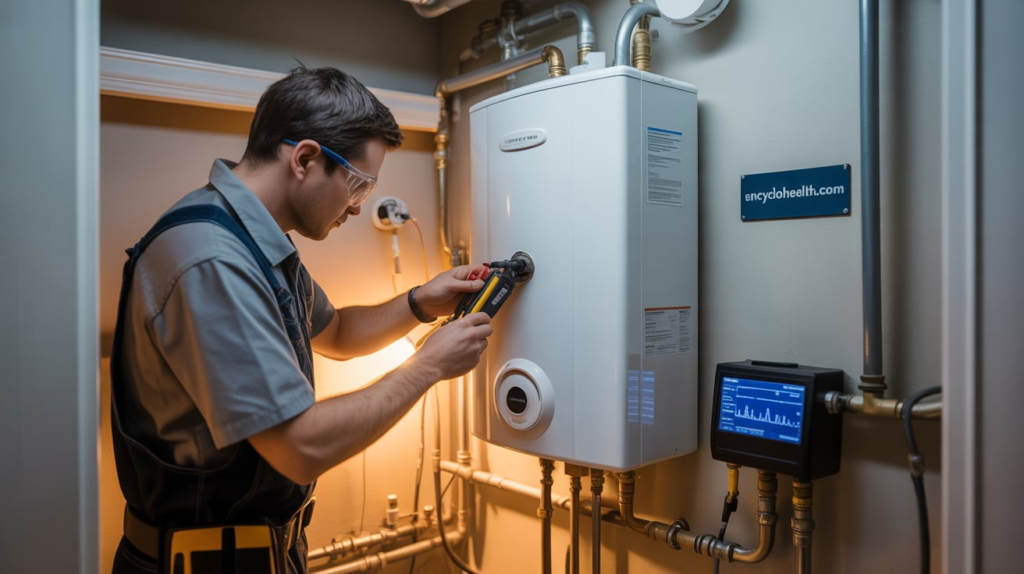
Never attempt water heater repair involving gas lines unless you’re a licensed professional. Gas leaks cause explosions and carbon monoxide poisoning.
If you smell gas (like rotten eggs), immediately:
- Don’t use any electrical switches or flames
- Open windows and doors
- Evacuate everyone from your home
- Call your gas company or 911 from outside
- Don’t return until professionals declare it safe
Gas line connections, burner replacements, and venting repairs require professional expertise. The risk simply isn’t worth attempting DIY.
Electrical Problems Beyond the Breaker
If resetting the breaker doesn’t restore power, electrical water heater repair needs a professional. Faulty wiring causes fires and electrocution.
Replacing heating elements is borderline—confident DIYers can handle it, but mistakes risk electric shock. If you’re uncomfortable working with 240-volt circuits, call an electrician.
Signs of electrical problems include:
- Repeatedly tripping breakers
- Burning smells near the heater
- Visible wire damage or corrosion
- Water inside the electrical panel
These situations demand immediate professional attention.
Tank Replacement Decisions
When your tank itself leaks, repair isn’t possible. The entire unit needs replacement. This job requires professional installation in most areas due to building codes.
Professional installation ensures:
- Proper sizing for your household needs
- Correct venting (for gas heaters)
- Code-compliant connections
- Warranty protection
- Safe disposal of the old unit
Most water heater installations cost $800-$1,500 for standard tanks. Tankless units run $1,000-$3,000 installed. While expensive, proper installation prevents future problems and safety hazards.
Complex Diagnostics
Sometimes the problem isn’t obvious. Intermittent issues, multiple simultaneous problems, or unusual symptoms require diagnostic expertise.
Professional plumbers have specialized tools and experience. They can identify problems that aren’t visible to homeowners. They also carry parts and can complete repairs in one visit.
If you’ve tried basic troubleshooting without success, professional help saves time and frustration.
Preventive Maintenance: Avoiding Future Repairs
Annual Maintenance Checklist
Preventing problems beats dealing with water heater repair. A simple annual maintenance routine keeps your heater running efficiently.
Your yearly checklist:
- Flush the tank to remove sediment
- Test the pressure relief valve
- Check the anode rod (replace every 3-5 years)
- Inspect for visible leaks or corrosion
- Verify proper temperature settings (120°F is recommended)
- Clear space around the heater (nothing within 2 feet)
- Check venting for gas heaters
These tasks take about an hour annually but prevent 80% of common problems. Many homeowners skip maintenance until something breaks—don’t make that mistake.
Water Quality Matters
Hard water accelerates sediment buildup and anode rod deterioration. If you have hard water, consider a whole-house water softener.
Softeners reduce mineral content, extending your heater’s life significantly. They also improve efficiency and reduce energy costs.
Testing your water hardness costs about $20 with a simple kit. Anything above 120 mg/L (7 grains per gallon) is considered hard.
Temperature Settings and Efficiency
Setting your thermostat too high wastes energy and accelerates tank deterioration. The Department of Energy recommends 120°F for most households.
This temperature prevents scalding, discourages bacterial growth, and maximizes efficiency. For every 10°F reduction, you save 3-5% on water heating costs.
If you have a dishwasher without a booster heater, you might need 140°F. Otherwise, stick with 120°F for safety and savings.
Insulation Benefits
Older water heaters lack adequate insulation. Adding an insulating jacket reduces heat loss and lowers energy bills.
Pipe insulation also helps. Insulating the first 6 feet of hot and cold pipes reduces heat loss and prevents condensation.
These inexpensive upgrades often pay for themselves within a year through energy savings.
Understanding Water Heater Repair Costs
Average Repair Costs by Problem
Water heater repair costs vary based on the issue, your location, and whether you DIY or hire professionals.
Typical professional repair costs:
- Thermostat replacement: $150-$300
- Heating element: $200-$400
- Pressure relief valve: $100-$250
- Anode rod replacement: $200-$400
- Tank flushing: $100-$200
- Gas valve replacement: $300-$500
DIY repairs cost significantly less—usually just the part price. However, mistakes can cost more than professional service.
Service call fees typically run $75-$150 before any work begins. Some companies waive this if you approve repairs.
When Replacement Beats Repair
Sometimes water heater repair doesn’t make financial sense. Consider replacement when:
- Your heater is over 10 years old
- Repair costs exceed half the replacement cost
- You’ve had multiple repairs recently
- The tank itself is leaking
- You’re experiencing frequent problems
A new water heater costs $500-$1,200 for the unit, plus installation. Modern heaters are more efficient, potentially lowering your utility bills.
Calculate the total cost of ownership. An old, inefficient heater with ongoing repairs might cost more than replacement in the long run.
Warranty Considerations
Most water heaters include a 6-12 year warranty. Always check your warranty before paying for repairs.
Manufacturer warranties typically cover the tank and sometimes parts. Labor isn’t usually covered. Extended warranties from retailers might include labor.
Keep your receipt and installation paperwork. Some warranties require professional installation to remain valid. DIY repairs might void certain warranties.
Register your water heater online when installed. This ensures you receive warranty service and recall notifications.
Choosing the Right Professional for Water Heater Repair
Plumber vs. Handyman vs. HVAC Tech
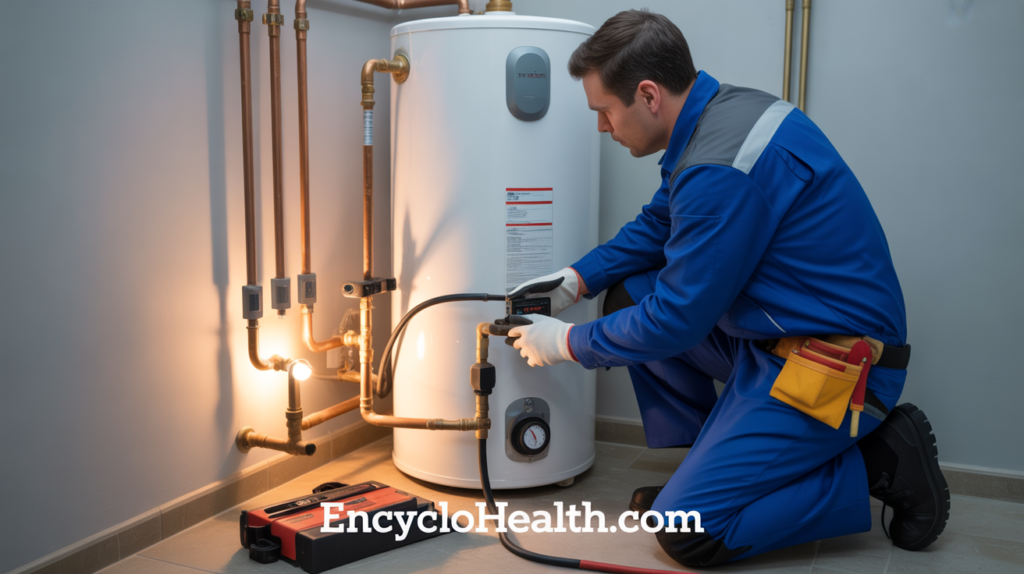
Different professionals handle water heater repairs. Who you call depends on the problem.
Licensed plumbers are your best bet for most water heater issues. They understand plumbing codes, have proper insurance, and pull necessary permits.
HVAC technicians sometimes work on water heaters, especially in all-electric systems. They’re good for tankless heater issues.
Handymen might charge less but often lack specialized knowledge and licensing. For minor tasks like flushing, they might work fine. For complex repairs, choose a licensed professional.
Red Flags When Hiring
Avoid contractors who:
- Can’t provide licensing and insurance information
- Pressure you for immediate decisions
- Require large upfront payments
- Offer prices significantly below competitors
- Won’t provide written estimates
- Have no online reviews or references
Get multiple quotes for expensive repairs. Three estimates help you understand fair pricing and identify outliers.
Questions to Ask Before Hiring
Important questions:
- Are you licensed and insured?
- How long have you been in business?
- Do you offer warranties on parts and labor?
- What’s included in your service call fee?
- Can you provide references?
- What’s your timeline for completion?
Good contractors answer these questions confidently. They provide detailed written estimates and explain your options clearly.
Emergency Water Heater Situations
Immediate Actions for Water Leaks
Water pooling around your heater requires fast action to prevent damage.
Emergency steps:
- Turn off water supply at the cold water inlet valve
- Turn off power (electric) or gas supply
- Attach a hose to the drain valve if possible
- Move nearby items away from water
- Place towels to absorb water
- Call a professional immediately
Don’t wait on water leaks. Even small leaks cause mold, structural damage, and wasted water.
If you can’t stop the leak, shut off your home’s main water supply. This prevents continued flooding until help arrives.
Gas Heater Warning Signs
Certain symptoms require immediate professional attention for gas water heaters.
Call emergency services if you notice:
- Strong gas odor
- Yellow or orange flames (should be blue)
- Soot buildup around the burner
- Carbon monoxide detector alarming
- Pilot light repeatedly going out
Gas leaks and carbon monoxide are deadly. Don’t attempt repairs yourself. Evacuate and call professionals from outside your home.
When to Replace vs. Repair in Emergencies
Weekend or holiday emergencies complicate decisions. Emergency service rates run 1.5-2 times normal prices.
For minor issues that don’t threaten your home, waiting for regular business hours saves money. Turn off the heater and use alternative hot water sources temporarily.
For major leaks, gas issues, or situations threatening property damage, pay for emergency service. The cost beats water damage or safety risks.
Energy Efficiency and Modern Alternatives
Tankless Water Heater Benefits
If you’re considering replacement during water heater repair, explore tankless options. These on-demand heaters offer several advantages.
Tankless heaters provide endless hot water since they heat as needed. They’re more energy efficient, potentially saving 20-30% on water heating costs.
They also last longer—typically 20+ years versus 10-15 for tank heaters. Their compact size frees up floor space.
However, they cost more upfront ($1,000-$3,000 installed). They also require larger gas lines or significant electrical capacity.
Heat Pump Water Heaters
These hybrid units use electricity to move heat rather than generate it. They’re extremely efficient, using 60% less energy than standard electric heaters.
Initial costs run higher at $1,200-$2,500 installed. But utility rebates often offset $300-$1,000. Long-term savings are substantial.
They work best in warm spaces since they cool the surrounding air. They’re not ideal for cold basements.
Solar Water Heating
Solar water heaters use the sun’s energy, slashing water heating costs by 50-80%. They’re especially practical in sunny climates.
Systems cost $3,000-$7,000 installed. Federal tax credits and state rebates can reduce this significantly. Payback periods typically run 5-10 years.
You’ll still need a backup conventional heater for cloudy periods. But solar systems reduce both costs and environmental impact dramatically.
Conclusion
Water heater repair doesn’t have to be overwhelming. Understanding common problems helps you make informed decisions about DIY fixes versus professional help.
Regular maintenance prevents most issues. Annual flushing, thermostat checks, and anode rod replacement add years to your heater’s life. These simple tasks save hundreds in future repair costs.
Know your limits with DIY. Simple tasks like adjusting settings or replacing valves are manageable for most homeowners. But gas lines, complex electrical work, and tank replacement require professional expertise.
When problems arise, act quickly. Small leaks become major damage. Strange noises indicate sediment buildup that reduces efficiency. Addressing issues early prevents expensive emergencies.
Your water heater works hard every day providing hot showers, clean dishes, and sanitized laundry. Taking care of it through proper maintenance and timely repairs ensures reliable hot water for years to come.
What’s your biggest water heater concern? Have you tackled any repairs yourself? Share your experiences in the comments below—your insights might help other readers solve their hot water problems!
Frequently Asked Questions
How long should a water heater last?
Traditional tank water heaters typically last 10-15 years with proper maintenance. Tankless models often reach 20+ years. Your heater’s lifespan depends on water quality, maintenance frequency, and initial build quality. Hard water and lack of maintenance significantly shorten life expectancy.
Why is my water heater making a popping noise?
Popping or rumbling sounds usually indicate sediment buildup at the tank bottom. Minerals settle over time, and water gets trapped underneath. When this trapped water boils, it creates popping sounds. Flushing your tank removes sediment and eliminates the noise.
How often should I flush my water heater?
Flush your water heater at least once annually. If you have hard water, consider flushing every six months. Regular flushing removes sediment that reduces efficiency and shortens tank life. This simple maintenance task significantly extends your heater’s lifespan.
What temperature should my water heater be set at?
The Department of Energy recommends 120°F for most households. This temperature balances safety, efficiency, and hot water availability. Higher temperatures increase scalding risk and energy costs. Lower temperatures might allow bacteria growth. 120°F hits the sweet spot for most families.
Can I replace a water heater myself?
While possible, DIY water heater replacement isn’t recommended for most homeowners. Building codes typically require permits and professional installation. Gas line connections require licensed plumbers. Improper installation creates safety hazards and may void warranties. Professional installation costs $800-$1,500 but ensures safety and code compliance.
Why does my hot water run out quickly?
Several factors cause insufficient hot water. Sediment buildup reduces effective tank capacity. A failing heating element can’t adequately heat the tank. Your household’s hot water usage might exceed your tank’s capacity. First, try flushing the tank. If problems persist, have a professional check the heating element and thermostat.
What causes a water heater to leak from the bottom?
Bottom leaks typically come from the drain valve or the tank itself. Drain valve leaks are easily fixed by tightening or replacing the valve. Tank leaks indicate corrosion and require full replacement. Check the drain valve first—if it’s dry, your tank is likely leaking and needs replacement.
How much does water heater repair cost?
Water heater repair costs vary by problem and location. Simple thermostat replacement runs $150-$300 professionally. Heating element replacement costs $200-$400. Anode rod replacement averages $200-$400. DIY repairs cost significantly less—usually just the part price. Get multiple quotes for expensive repairs.
Is a leaking pressure relief valve dangerous?
A dripping pressure relief valve indicates pressure or temperature problems. While not immediately dangerous, it signals issues needing attention. Sometimes the valve itself fails and needs replacement. Other times, excessive pressure or temperature triggers the valve. Have a professional diagnose the underlying cause.
Should I repair or replace my old water heater?
Consider replacement if your heater is over 10 years old, needs expensive repairs, or has had multiple recent issues. Tank leaks always require replacement. Calculate total costs—sometimes an old, inefficient heater with ongoing repairs costs more than a new, efficient model. Professional evaluation helps make the best financial decision.
Also Read : Pumpkin Carving Ideas